
Rootfull Develops Bio-Textiles from Living Plant Roots for Sustainable Design Applications
Artist and photographer Zena Holloway's London-based studio Rootfull is pioneering a bio-textile process that guides living plant roots into materials for lighting, textiles, sculpture, and even fashion, offering a sustainable alternative to conventional materials.
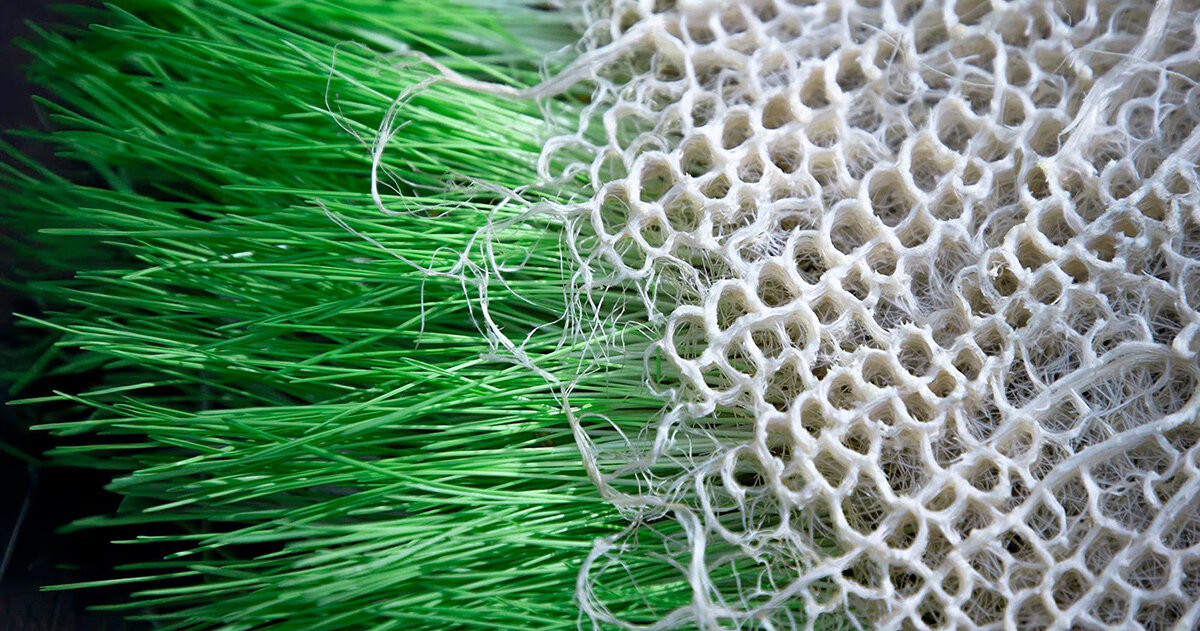
Rootfull, a London-based bio-design studio founded by artist and photographer Zena Holloway, is advancing the field of sustainable materials by developing textiles and other design elements directly from living plant roots. This innovative process involves guiding root growth through hand-carved beeswax templates, allowing the plants to form intricate, lace-like materials over time. The resulting biomaterial offers a delicate yet firm texture, suitable for a range of applications from lighting and wall pieces to upholstery and fashion.
Holloway’s methodology emphasizes patience and a deep respect for living systems, contrasting with conventional industrial production cycles. The studio’s work aligns with a growing demand for design solutions that are environmentally conscious, circular, and derived from natural processes. By allowing biology to complete the surface, Rootfull creates unique pieces that reveal the inherent intelligence and structural capabilities of plant roots.
From Underwater Photography to Bio-Materials
Zena Holloway’s journey to Rootfull began after more than 25 years as an underwater photographer, a background that continues to influence the forms and textures of her biomaterial creations. Many of Rootfull’s pieces evoke marine life, with porous edges and pale filaments reminiscent of corals, jellyfish, and other organisms shaped by ocean currents.
Her transition from image-making to biomaterials in 2018 was driven by a growing awareness of plastic pollution in the oceans. Initially exploring mycelium, Holloway eventually focused on plant roots for their distinct structural properties and potential as a sustainable medium. This personal narrative infuses the work with a sense of purpose, grounding the studio’s technical innovations in a broader environmental concern. Holloway’s process involves meticulous steps: carving wax templates, sowing seeds, monitoring moisture levels, and finally harvesting the root structures once growth has achieved the desired form. For some projects, such as those using wheatgrass, roots bind into a naturally woven textile in approximately twelve days, while shoots grow above.
Applications in Lighting and Interiors
Rootfull’s approach translates effectively into interior objects, with the “Swell Light” serving as a prominent example. This piece features a surface made from a fossil-like lattice of plant roots, cultivated into a coralline shape that filters light through its small gaps and fibrous seams. The Swell Light functions as both a functional lamp and a material study, with illumination highlighting the intricate structure of the once-living surface. Standing lamps from the studio similarly integrate roots as visible structural lines, gathering into shades and vertical forms that maintain their shape with unexpected resilience despite their soft origin.
The studio views light as a tool to reveal the often-hidden labor of plants, demonstrating how roots can function as textiles, diffusers, and structural frames. Beyond lighting, Rootfull’s wall works extend this concept into drawing and textile art. Fine webs of root-grown surfaces stretch across panels, each piece exhibiting unique grain and variations. Some designs incorporate hessian yarn or are dyed with natural pigments like gallnut, transforming the root material into nuanced fields of line and tone. These pieces resonate architecturally, serving as studies of support systems where individual strands contribute to the overall surface, suggesting a tactile and accumulative approach to structure.
Circular Furniture and Bio-Couture
Rootfull is also pushing the boundaries of its material research into furniture and fashion. The “fullSPRING” project, a collaboration with Delyth Fetherston-Dilke, explores the use of plant roots to bind British wool into upholstery fillings. This initiative aims to provide a natural alternative to petrochemical foams and synthetic binders, proposing a grown upholstery system made from biodegradable, UK-sourced fibers. This development addresses a practical challenge within the interiors industry, seeking to create soft furnishings that are physically, environmentally, and structurally sustainable.
In the realm of bio-couture, Rootfull’s fashion collaborations demonstrate the material’s potential for wearable art. Roots are grown across templates and combined with cloth to create lace-like panels and garment sections. A notable collaboration with Phoebe English resulted in a stitch-free dress featuring root-grown lace suspended from a ripped cotton strip bodice, held by knots and ties. Further experiments with ACIEN and Purified explore the application of root materials in fashion and footwear. The Purified x Rootfull project, for instance, investigated shoe soles designed to biodegrade after use, incorporating post-consumer waste into the growth mechanism for future textile cultivation. These projects highlight the speculative yet tangible nature of Rootfull’s work, posing fundamental questions about the lifecycle of garments and materials.
Public Installations and Future Implications
Rootfull’s installations bring the biomaterial to a public scale, as seen in “ROOTED: Material Ecologies.” This large-scale, site-specific, and ephemeral work, which premiered at Messums West and was later presented at the First Light Festival in Lowestoft, utilizes non-hydrocarbon-based materials. Whether displayed in a historic 13th-century tithe barn or by the sea, the root-grown material possesses a distinct presence, capable of appearing, drying, shifting, and eventually returning to the earth. This temporary quality underscores a sense of ecological responsibility, prompting design to consider the legacy of materials after their use and their potential to re-integrate into natural cycles.
Key facts:
- Studio: Rootfull
- Founder: Zena Holloway
- Location: London, UK
- Material: Living plant roots (biomaterial)
- Applications: Lighting, textiles, sculpture, wall art, upholstery, fashion, footwear, installations
- Key Collaborator: Delyth Fetherston-Dilke (fullSPRING)
Rootfull’s work signifies a critical shift in how designers and architects approach material selection and production. By demonstrating the structural and aesthetic capabilities of living plant roots, the studio offers a compelling vision for a circular economy where materials are grown rather than manufactured, and products are designed to return to nature. This innovation provides architects, interior designers, and material researchers with new avenues for creating sustainable, biologically integrated environments and objects, challenging conventional notions of durability and waste. The emphasis on patience and natural processes also serves as a model for more thoughtful and environmentally conscious design practices across the built environment and product sectors.
Source: Designboom – https://www.designboom.com/design/rootfull-guides-living-plant-roots-bio-textiles-soft-circular/
Source
Designboom Original publication: 2026-05-20T02:00:07+00:00
Related news

SIITUA III to Gather International Researchers on Territory, Urbanism, and Architecture in Lima
The third edition of the International Seminar on Research in Territory, Urbanism, and Architecture (SIITUA III) will take place in Lima, organized…
Read more
Christopher Kane brings streamlined, heritage-driven vision to Mulberry in London Fashion Week debut
The Scottish designer presented his first collection for the British leather goods house at London Fashion Week, blending sharp tailoring, archival references…
Read more
When Film Directors Become Interior Designers: Guadagnino, Lynch, Anderson and Almodóvar Step Off Screen
From Luca Guadagnino’s Zara Home collection to David Lynch’s Paris club and Wes Anderson’s train carriage, a wave of collaborations is blurring…
Read more
Jesus Mari Lazkano Examines Changing Landscapes Through Painting and Animated Film at Basque Luxury Studio
The Basque artist’s exhibition ‘Azken Natura’ brings together six large-scale paintings and a 22-minute animated film that traces the melting of the…
Read moreRelated wiki

Adaptive Reuse in Architecture
Reference page for reuse, retrofit, conversion, embodied carbon and design constraints.
Read more