The Line, Reassessed: What Can Be Evaluated Now on Sustainability and Mobility
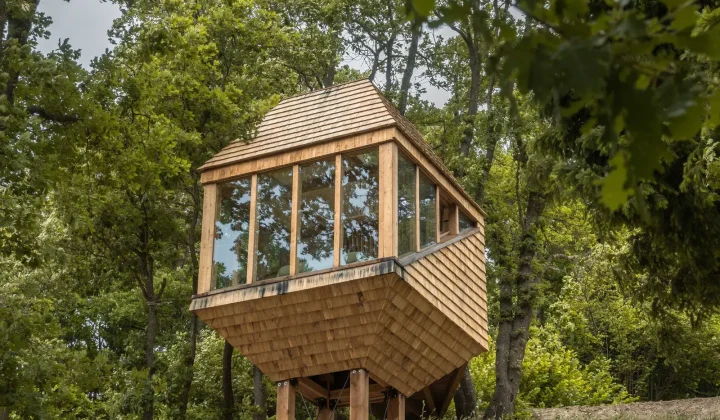
With the currently verified sources, the safest way to reassess The Line is to separate broad urban principles from project-specific performance claims…
Read moreLow-carbon buildings, reuse, climate adaptation, materials and performance.
With the currently verified sources, the safest way to reassess The Line is to separate broad urban principles from project-specific performance claims…
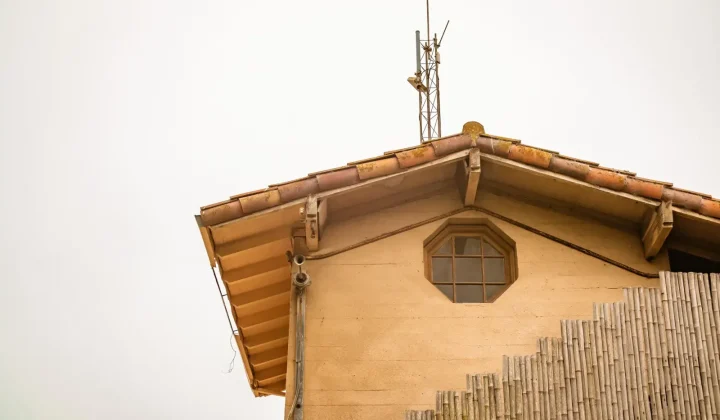
Read moreTraditional materials can support low-carbon design, but only when sourcing, processing, durability, maintenance, and end-of-life performance are checked carefully.
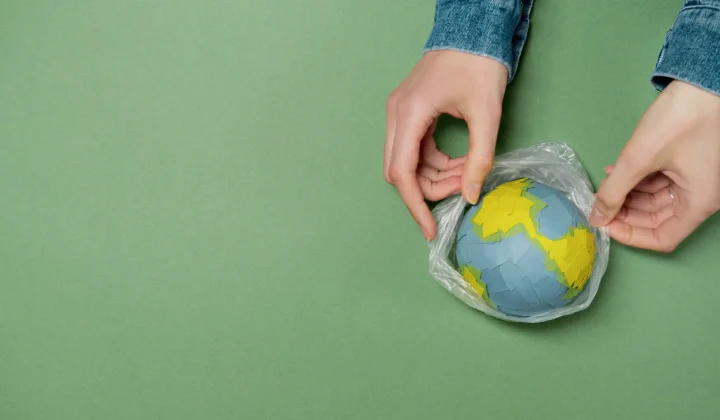
Read moreWorld Environment Day often produces a rush of sustainability messaging. For built-environment readers, the most useful ideas are the ones tied to…
Read moreA sustainable building material is not a fixed label. It is a context-dependent choice shaped by lifecycle impacts, durability, sourcing, health considerations,…
Read moreA cautious, built-environment reading of World Environment Day 2026: what the day is, where its relevance to cities is clearest, and how…
Read moreA practical, source-backed guide to integrating sustainability into urban projects, from the first brief to long-term operation and review.
Read moreCircular building materials are not just products with recycled content. They require evidence, careful detailing, and systems that support reuse, repair, recovery,…
Read moreA careful design-led explainer on circular cities, resource efficiency, and what architects, planners, and readers should verify before accepting circularity claims.
Read morePakistani architect Yasmeen Lari champions a humanitarian design approach, "Barefoot Social Architecture," utilizing local materials and community knowledge to build climate-resilient structures…
Read moreA new report highlights how clean air ducts are a foundational, yet often overlooked, element in achieving healthier and more comfortable indoor…
Read more