Herzog & de Meuron Unveils Ambitious Al Maha Island Masterplan in Qatar
Swiss architecture firm Herzog & de Meuron reveals a comprehensive masterplan for Al Maha Island in Lusail, Qatar, designed to be a premier cultural and residential destination integrating art, gastronomy, and community.
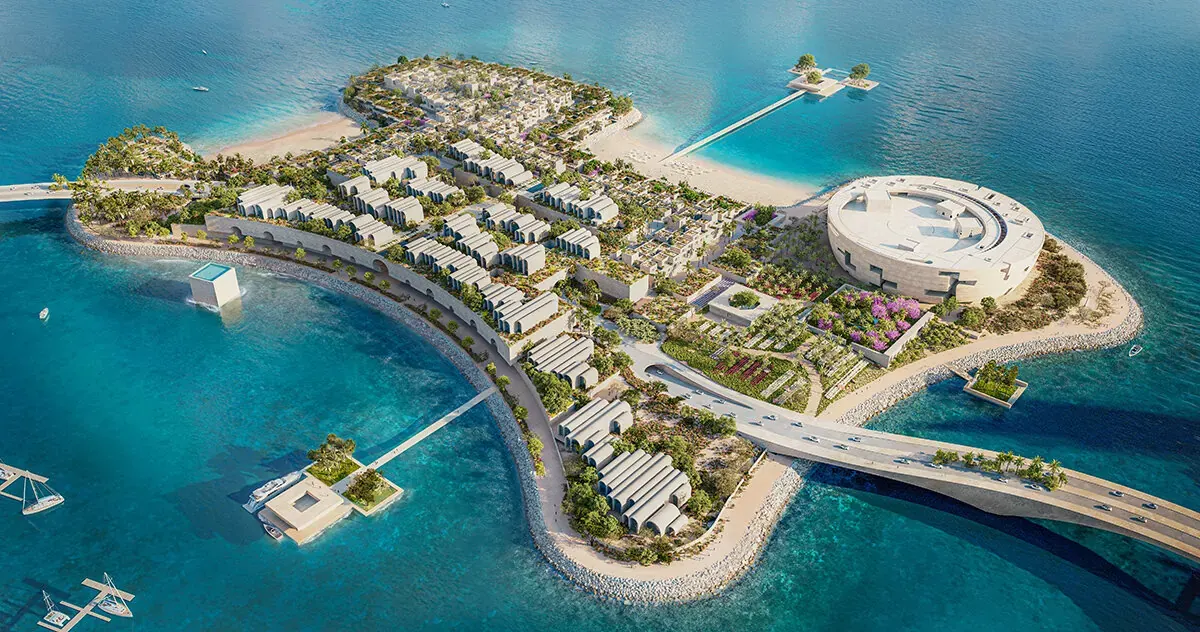
Herzog & de Meuron has unveiled a significant masterplan for Al Maha Island in Lusail, Qatar, aiming to establish the 230,000-square-meter man-made island as a leading cultural and residential hub. The project, presented during Art Basel 2026, envisions a convergence of contemporary architecture, art, design, gastronomy, and community living.
The masterplan includes the Lusail Museum, which will serve as a permanent venue for Art Basel Qatar, alongside a contemporary souk, lush gardens, dining establishments, a boutique hotel, and a range of residential options including waterfront villas, hilltop homes, and townhouses.
Lusail Museum Reimagined
The Lusail Museum, a distinctive bowl-shaped structure initially presented in 2024, is set to become the cultural anchor for both Al Maha Island and the wider Lusail City. Sheikha Al-Mayassa bint Hamad bin Khalifa Al Thani highlighted the museum’s importance as a platform for cultural diplomacy, facilitating discussions on historical and contemporary global cultural exchanges. The museum’s relocated position to Al Maha Island underscores its significance and the purity of its design, according to Sheikha Al-Mayassa.
“This is one of the few places where foreigners can acquire houses and land, so we developed the whole island to be an ecosystem of residential areas, a boutique hotel, as well as a little souk combining modernity with tradition,” she explained during the presentation in Basel.
Heritage and Modernity
Located near the historic site where Sheikh Jassim bin Mohammed Al Thani, the founder of modern Qatar, established his home, Al Maha Island’s masterplan seeks to blend contemporary vision with deep regional heritage. Herzog & de Meuron’s design incorporates vernacular typologies and distinct architectural styles suited to the island’s various zones. Regional traditions are evident in designs inspired by courtyard houses and townhouses connected by narrow streets and walled gardens, as well as monolithic, earth-toned structures that appear to emerge organically from the landscape.
“This island is man-made, and land-making, or building a piece of a city, has a totally different connotation here,” commented Jacques Herzog. “We want this to be integrated into the project concept and the buildings to be made with local materials, such as sand and rock, so that it feels like a whole piece, not just something we brought in.”
Integrating Nature and Native Ecosystems
Nature is a central element of the island’s design, with a series of “gem” gardens strategically placed to offer contemplative spaces and natural wayfinding. The project will collaborate with local nurseries and initiatives, such as those supported by the Qatar Foundation, to promote and restore native ecosystems, focusing on indigenous species.
“The gardens should be as specific as each individual building,” Herzog emphasized. “We cannot turn this into a golf resort; we have specific gem gardens surrounded by landscapes which are more traditional to what grows around Doha. Every single piece of nature should be precisely integrated.”
The Arabian oryx, a species native to the Arabian Peninsula and the national symbol of Qatar, will also be integrated into the island’s landscape experience. Sheikha Al-Mayassa noted that Al Maha means oryx in Arabic and expressed pride in Qatar’s role in saving the species from extinction.
Connectivity and Sustainable Infrastructure
The island will be accessible via water transport, dedicated vehicle bridges, and pedestrian pathways connecting it to Doha and Lusail. To maintain a pedestrian-friendly surface and preserve unobstructed views, all infrastructure will be located underground, utilizing the island’s subtly elevated terrain. The residential sector will comprise over 150 units, including waterfront and hilltop homes, townhouses, and apartments, alongside a planned boutique hotel.
Rethinking Art Fairs
Al Maha Island is set to host Art Basel Qatar annually. The vision extends beyond a traditional convention center, proposing an island-wide immersive experience where the Al Maha bridge acts as a gateway to the fair. This innovative approach transforms the entire island, including local restaurants, into a creative playground designed to explore the future of art fairs.
Art Basel CEO Noah Horowitz expressed enthusiasm for this collaborative venture: “We are profoundly excited coming out of this co-creation. We are not just plugging into something that exists; we are truly building something with partners. Tracking the cycles of our industry, creating deep and meaningful connections with new regions, artists, and institutions is one of the most exciting things we can do.”
The masterplan addresses the challenge of large-scale event architecture by prioritizing flexibility and long-term sustainability. The design focuses on adaptable, modest architecture engineered for longevity and minimal upkeep, ensuring the spaces remain functional and sustainable for future generations.
Key facts
| Feature | Detail |
|---|---|
| Location | Al Maha Island, Lusail, Qatar |
| Architect | Herzog & de Meuron |
| Masterplan Components | Lusail Museum, Art Basel pavilion, souk, gardens, residences, hotel |
| Cultural Anchor | Lusail Museum, permanent home for Art Basel Qatar |
| Residential Capacity | Over 150 units (villas, townhouses, apartments) |
| Groundbreaking (Planned) | 2028 |
This development is significant for Paionia7 readers as it showcases a large-scale, integrated urban and cultural project by a globally renowned architecture firm. The emphasis on cultural programming, sustainable design principles, and the creation of a unique residential and leisure destination offers insights into contemporary urban development trends in the Middle East, particularly concerning the fusion of heritage and modernity, and the role of art and design in shaping cityscapes.
Source: https://www.designboom.com/architecture/herzog-de-meuron-al-maha-island-masterplan-lusail-qatar-art-basel/
Source
Designboom Original publication: 2026-06-21T07:05:55+00:00
Related news
UIA 2026: The Sessions and Themes Architects Should Watch This Week
A careful guide to the themes architects should track around UIA 2026 this week, focused on what can be confirmed, what still…
Read more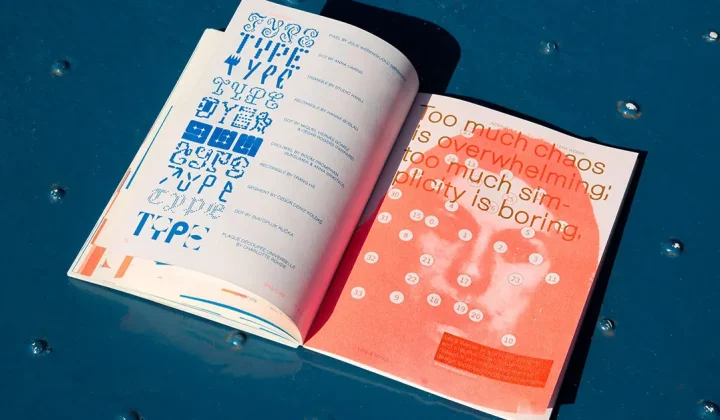
GridType Vol. 1 Examines How Digital Tools Reshape Type Design
A new publication from Slanted Publishers presents ten typefaces developed with an experimental online tool, tracing the influence of digital stencils on…
Read more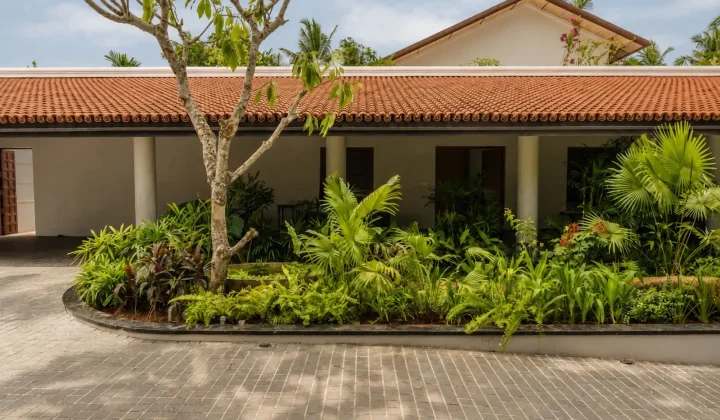
Ochre Residence by Thought Parallels Draws on Earthy Materials for a Warm Home in Kerala
The Ochre Residence in Kerala, India, by Thought Parallels uses baked terracotta, timber, coconut wood and cane to create a home that…
Read more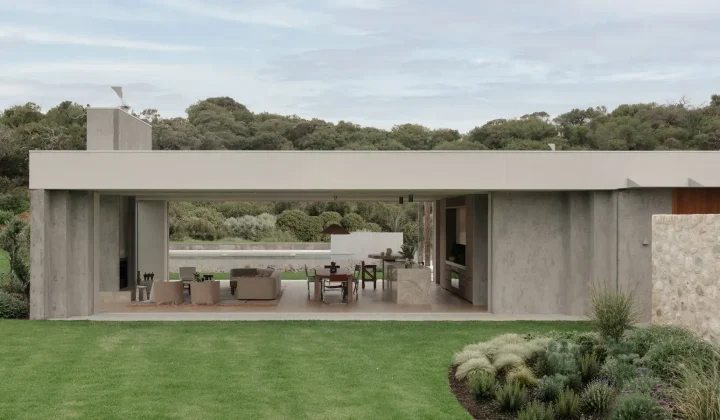
Wildcoast Residence by Studio Kennon Negotiates the Harsh Coastal Conditions of the Mornington Peninsula
Studio Kennon’s latest house on the Mornington Peninsula does not fight the wind, salt and rain of Bass Strait – it settles…
Read moreRelated wiki
Adaptive Reuse in Architecture
Reference page for reuse, retrofit, conversion, embodied carbon and design constraints.
Read more