
The Enduring Challenge of Adaptive Reuse in Historic Urban Cores
Adaptive reuse projects in historic urban cores present a unique set of challenges and opportunities for architects, developers, and urban planners. This column explores the complexities involved in transforming aging structures while preserving their historical integrity and meeting contemporary needs.
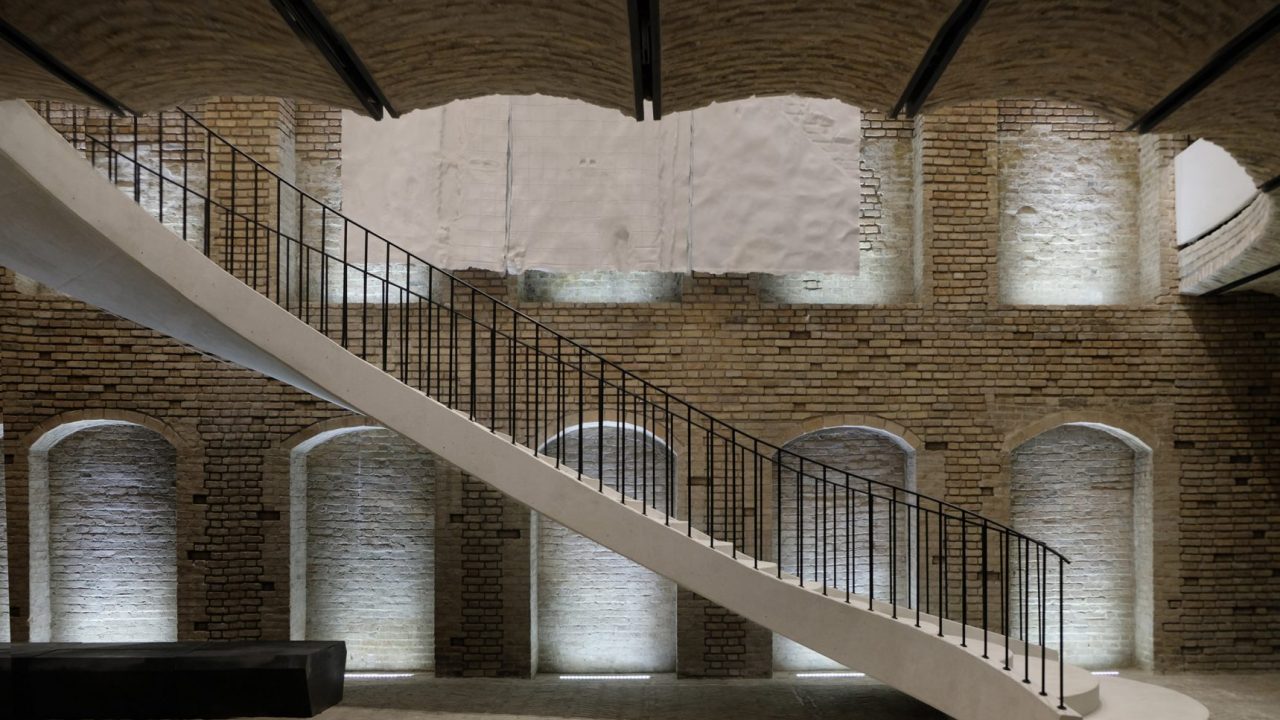
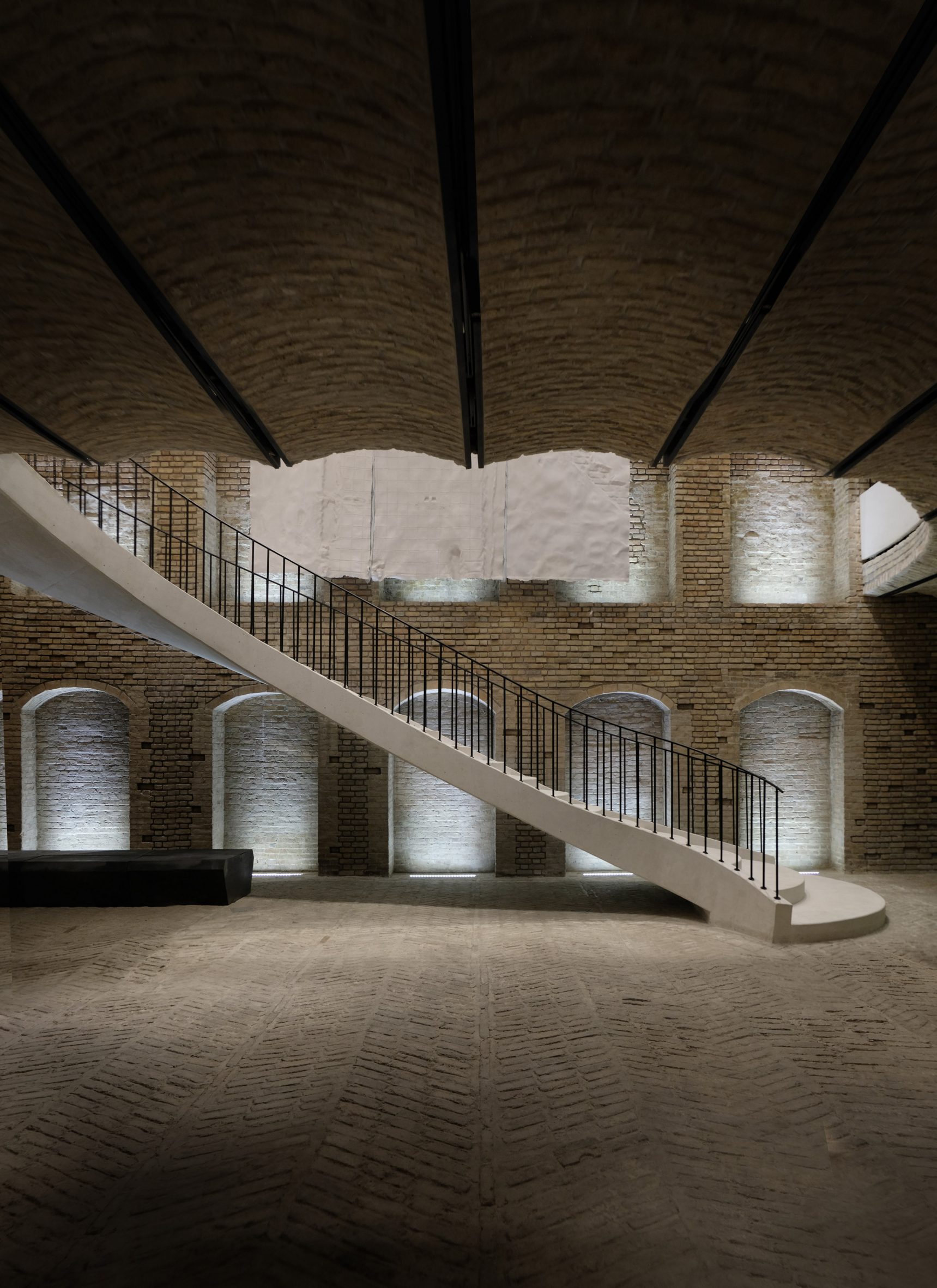
The concept of adaptive reuse—transforming existing buildings for new purposes—is far from novel. Yet, its application within historic urban cores continues to pose one of the most compelling and often contentious challenges for contemporary architecture and urban planning. This isn’t merely about renovating an old building; it’s about weaving new life into the fabric of a city’s past, navigating the intricate balance between preservation and progress, and responding to evolving societal needs within predetermined physical and cultural boundaries.
At its heart, adaptive reuse in these sensitive contexts demands a profound understanding of layers: architectural heritage, social memory, economic viability, and environmental sustainability. It is a process that can revitalize neglected areas, reduce embodied carbon, and foster a unique sense of place. However, it also carries the risk of historical erasure, gentrification, or creating architectural pastiches that fail to resonate with either past or present. The success of such projects hinges on a multi-faceted approach that respects the inherent value of existing structures while boldly re-imagining their future utility.
Why Adaptive Reuse in Historic Cores Matters
The imperative for adaptive reuse in historic urban cores stems from several critical factors. Environmentally, reusing existing structures dramatically reduces the embodied energy associated with new construction, minimizing waste and the carbon footprint of development. The National Trust highlights adaptive reuse as a cornerstone of sustainable development, emphasizing its role in reducing demolition waste and conserving resources. Economically, these projects can breathe new life into struggling urban areas, attracting investment, creating jobs, and enhancing property values. Culturally, they preserve tangible links to a city’s history, preventing the loss of distinctive architectural character that contributes to urban identity and collective memory.
Moreover, dense urban environments often lack available land for new construction, making the repurposing of existing buildings a pragmatic necessity. This is particularly true in European cities with centuries of layered development, where every square meter holds historical significance. The challenge lies in adapting these structures to modern codes, accessibility standards, and functional requirements without compromising their authenticity or historical integrity—a principle enshrined in international charters like The Venice Charter for the Conservation and Restoration of Monuments and Sites.
What Sources Show: Principles and Precedents
Official guidelines and seminal texts provide a framework for sensitive adaptive reuse. The U.S. Environmental Protection Agency (EPA) promotes adaptive reuse as a key strategy for sustainable materials management, noting its ability to revitalize communities and conserve resources. These broader policy statements are often distilled into specific architectural conservation principles. For instance, the aforementioned Venice Charter (1964) emphasizes the importance of preserving the historical and aesthetic value of monuments and sites, advocating for interventions that respect the original structure and its context, and discouraging additions that detract from its authenticity.
Successful examples abound globally, from former industrial buildings transformed into vibrant cultural centers to historic houses reimagined as boutique hotels or contemporary residences. Consider the Tate Modern in London, a former power station brilliantly repurposed into an art museum. Herzog & de Meuron’s intervention preserved the turbine hall’s grand scale while introducing a new, subtle language of light and movement. This project demonstrates how a bold yet respectful approach can create an iconic destination that honors its past while serving a completely new function. Another notable case is the transformation of the former St. Pancras Chambers in London into the St. Pancras Renaissance Hotel, meticulously restoring a Victorian Gothic masterpiece while integrating modern amenities. These projects, while varying in scale and historical period, share a common thread: an intricate understanding of the existing structure’s strengths and limitations, coupled with a visionary program.
Design Trade-offs and Complexities
The path to successful adaptive reuse is fraught with trade-offs. Architects and developers must grapple with:
- Structural Integrity vs. Modern Demands: Historic buildings often have load-bearing capacities, floor-to-ceiling heights, or structural systems that conflict with contemporary uses or seismic requirements. Reinforcing these structures without visible intrusion is a significant design challenge.
- Historical Authenticity vs. Functional Utility: How much original fabric must be preserved? When does intervention become alteration, and alteration become destruction of heritage? Balancing the desire for historical accuracy with the need for modern comfort, energy efficiency, and accessibility demands careful judgment.
- Aesthetics of Age vs. Contemporary Design: Integrating new elements into an old shell requires a nuanced aesthetic. Should new additions mimic the old, create a stark contrast, or blend subtly? Each approach carries risks and rewards.
- Cost and Time: Adaptive reuse projects can be more expensive and time-consuming than new construction due to unforeseen structural issues, hazardous material abatement (e.g., asbestos, lead paint), and the specialized labor required for conservation.
- Regulatory Hurdles: Navigating local preservation ordinances, building codes, and community review boards can be a lengthy and complex process, often requiring extensive documentation and negotiation.
A common pitfall is ‘facadism,’ where only the exterior shell is preserved, and the interior is entirely gutted and rebuilt. While sometimes necessary, critics argue this approach sacrifices the spatial and material authenticity of a building, reducing it to a mere stage set.
What Remains Unclear
Despite decades of practice and evolving guidelines, certain aspects of adaptive reuse in historic urban cores remain subject to ongoing debate and refinement:
- Defining “Authenticity” in the 21st Century: As building materials and construction techniques evolve rapidly, what constitutes authentic repair or sensitive intervention? Is it about material replication, spirit of design, or continuity of use?
- Measuring Social Impact: While economic and environmental benefits are often quantifiable, the social impact—on community identity, intangible heritage, and potential gentrification—is harder to measure and predict. How can adaptive reuse truly benefit existing communities rather than displace them?
- Scalability for Everyday Buildings: Many successful projects involve iconic structures with significant budgets. How can the principles of sensitive adaptive reuse be applied to less grand, everyday historic buildings that constitute the majority of urban fabric?
- Future-Proofing Adaptations: Given accelerating climate change and technological shifts, how can current adaptive reuse projects be designed to allow for future flexibility and adaptation, avoiding the very obsolescence they seek to remedy?
These questions highlight the dynamic nature of architectural conservation and the need for continuous dialogue among stakeholders.
What Readers Can Verify
Readers interested in the complexities of adaptive reuse can explore several avenues for verification and deeper understanding:
- Visit Local Preservation Societies: Many cities have active historical societies or preservation commissions that document local heritage and monitor adaptive reuse projects. Their archives often contain planning documents, historical photographs, and project reviews.
- Review Project Case Studies: Architectural publications and academic journals frequently feature detailed case studies of adaptive reuse projects. These often include plans, sections, and commentary from the architects, offering insights into the design process and challenges.
- Consult Official Guidelines: Explore the guidelines published by organizations such as the National Park Service in the US (Secretary of the Interior’s Standards for the Treatment of Historic Properties) or ICOMOS (International Council on Monuments and Sites) for best practices in conservation and adaptation.
- Observe Your Own City: Take a critical look at buildings in your local historic district that have undergone transformation. Can you discern the old from the new? Does the adaptation feel seamless or jarring? How has it impacted the surrounding urban environment?
By engaging with these resources, one can develop a more informed perspective on the subtle yet profound transformations shaping our historic urban landscapes.
Adaptive Reuse in Historic Cores: Key Considerations
- Sustainability: Managing hazardous materials, energy efficiency | Reduced embodied carbon, resource conservation
- Historical Integrity: Avoiding ‘facadism,’ maintaining authenticity | Preserving heritage, unique character
- Functional Adaption: Modern codes, accessibility, structural limits | Innovative spatial solutions, new programs
- Economic Viability: High initial costs, unforeseen issues | Urban revitalization, increased property value
- Community Impact: Gentrification, displacement | Enhanced public realm, cultural continuity
Related news

Christopher Kane brings streamlined, heritage-driven vision to Mulberry in London Fashion Week debut
The Scottish designer presented his first collection for the British leather goods house at London Fashion Week, blending sharp tailoring, archival references…
Read more
When Film Directors Become Interior Designers: Guadagnino, Lynch, Anderson and Almodóvar Step Off Screen
From Luca Guadagnino’s Zara Home collection to David Lynch’s Paris club and Wes Anderson’s train carriage, a wave of collaborations is blurring…
Read more
Jesus Mari Lazkano Examines Changing Landscapes Through Painting and Animated Film at Basque Luxury Studio
The Basque artist’s exhibition ‘Azken Natura’ brings together six large-scale paintings and a 22-minute animated film that traces the melting of the…
Read more
Glenn Spiro opens intimate jewellery atelier in Mayfair with designer Valerie Name Bolaño
The London jewellery house’s new boutique at 26 Bruton Street blends antiques, bespoke furniture and a monochrome palette to create a residential…
Read moreRelated wiki

Adaptive Reuse in Architecture
Reference page for reuse, retrofit, conversion, embodied carbon and design constraints.
Read more