
Casa Chamego by Pablo Patriota Arquitetos Associados Embraces Contemporary Brazilian and Northeastern Architecture
Pablo Patriota Arquitetos Associados' Casa Chamego project in Caruaru, Brazil, exemplifies Contemporary Brazilian and Northeastern Architecture, drawing inspiration from Armando de Holanda's principles for building in the sunny tropics.
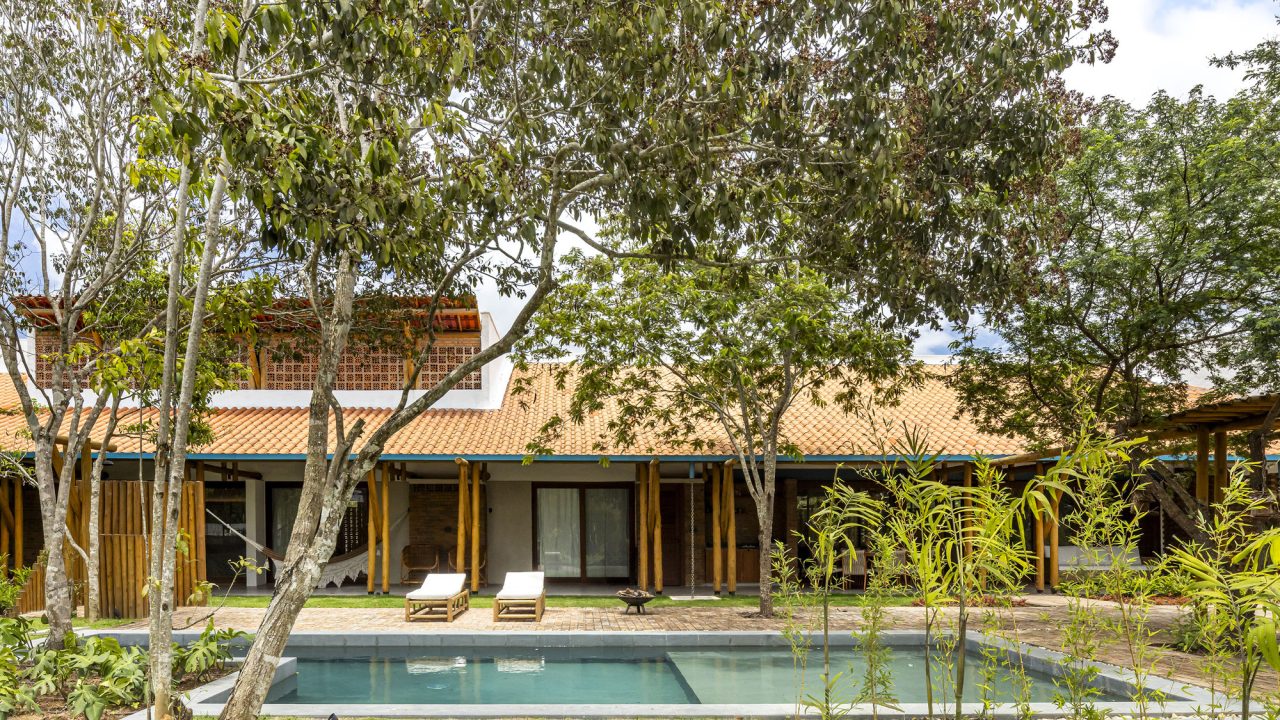
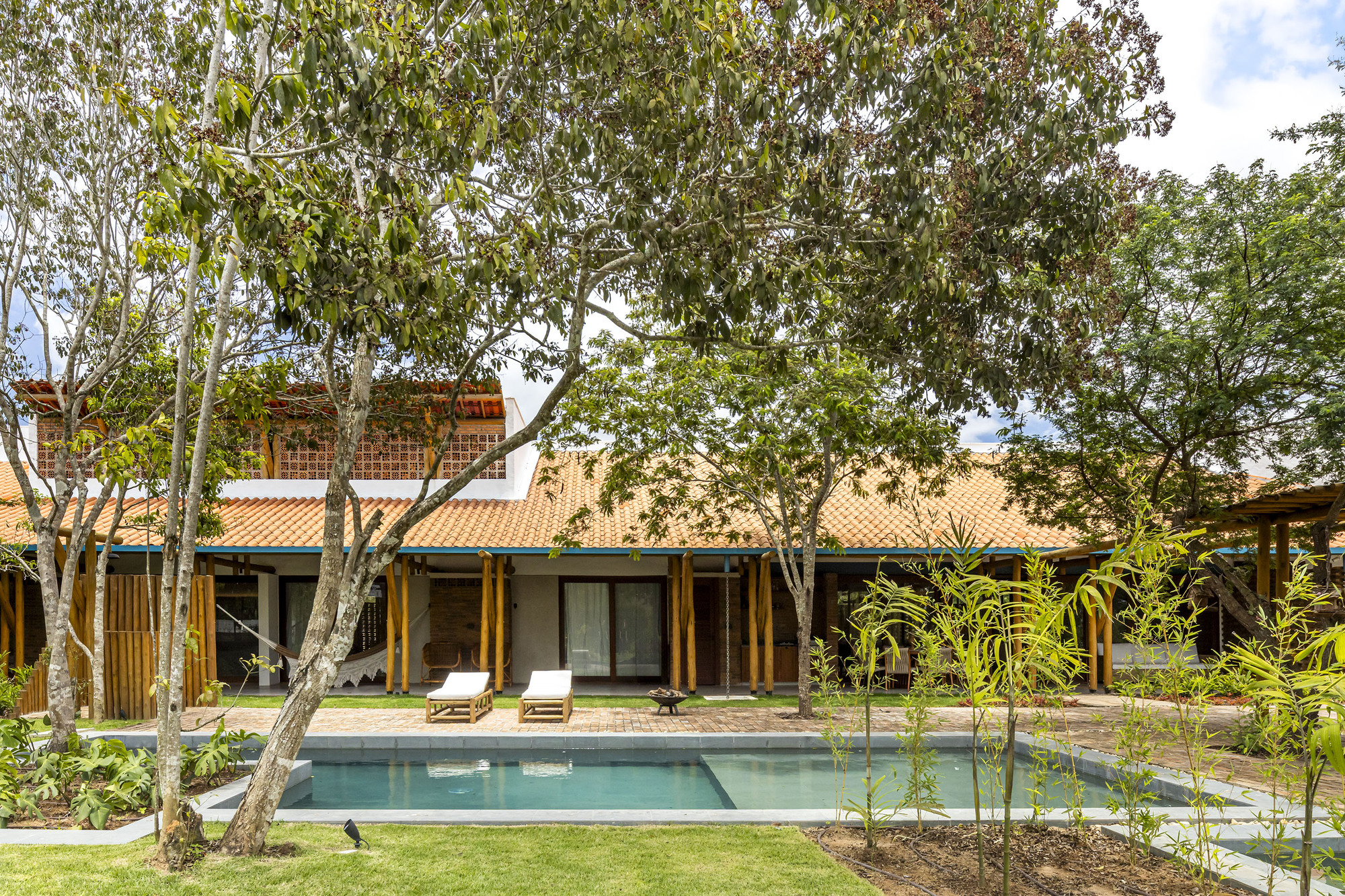
The recently unveiled Casa Chamego, designed by Pablo Patriota Arquitetos Associados, stands as a notable example of Contemporary Brazilian and Northeastern Architecture. Located in Caruaru, Brazil, the residential project is rooted in the principles outlined in Armando de Holanda’s influential “Guide to Building in the Northeast,” which advocates for designs that foster openness and comfort in tropical climates. This approach aims to integrate the built environment seamlessly with its sunny surroundings, creating spaces that are both functional and inviting.
Key facts
- Project: Casa Chamego
- Architect: Pablo Patriota Arquitetos Associados
- Location: Caruaru, Brazil
- Type: Residential House
Contextualizing Brazilian Northeastern Architecture
Brazilian Northeastern Architecture is characterized by its adaptation to the region’s specific climatic conditions, cultural heritage, and available materials. The Northeast of Brazil, known for its intense sunlight and warm temperatures, historically spurred architectural solutions that prioritize natural ventilation, shade, and thermal comfort. Armando de Holanda’s guide, cited as a foundational text for Pablo Patriota Arquitetos Associados, emphasizes practical and aesthetic considerations for construction in this unique environment. His philosophy encourages architects to “build doors that open,” a metaphorical and literal invitation to design structures that are permeable, welcoming, and deeply connected to their outdoor spaces. This perspective moves beyond mere functionality, aiming to create architecture that contributes to a pleasant and sustainable way of life in the tropics.
The design principles often manifest in elements such as deep overhangs, courtyards, natural ventilation systems, and the strategic use of local materials like wood, stone, and traditional ceramic tiles. These elements are not only functional but also contribute to a distinct regional aesthetic that balances modern sensibilities with historical precedents. The architectural output often reflects a synthesis of modernist influences with a profound respect for local craftsmanship and environmental responsiveness, ensuring buildings are resilient and comfortable in the face of climatic challenges.
Architectural Approach and Design Philosophy
Pablo Patriota Arquitetos Associados’ design for Casa Chamego appears to embody these principles by creating a residence that is both aesthetically modern and climatically responsive. The project’s emphasis on “making architecture a pleasant place in the sunny tropics” suggests a holistic approach to design that considers the occupants’ well-being and interaction with the environment. This likely involves careful site planning to maximize natural light where desired and minimize solar heat gain, along with strategic placement of openings to facilitate cross-ventilation.
The architects’ adherence to Holanda’s guide indicates a commitment to an architecture that is not only visually appealing but also deeply functional for its specific location. This can translate into design choices that favor open-plan living areas, seamless transitions between indoor and outdoor spaces, and the incorporation of natural elements within the residential footprint. The project’s name, “Chamego,” which can translate to “cuddle” or “affectionate intimacy” in Portuguese, further hints at a design ethos centered around comfort, warmth, and a strong sense of home. This emotional connection to space is often a hallmark of successful residential architecture, particularly in regions where the home serves as a sanctuary from the external climate.
Materiality and Sustainability Considerations
While specific material details are not fully disclosed in the initial summary, the context of Contemporary Brazilian and Northeastern Architecture often involves a thoughtful selection of materials that are either locally sourced, inherently sustainable, or contribute to thermal performance. This could include the use of natural wood for shading elements or interior finishes, local stone for facades or landscaping, and innovative approaches to insulation or passive cooling. The emphasis on building in the sunny tropics suggests an inherent focus on sustainable design principles, even if not explicitly stated as “green building.”
Passive design strategies, such as orientation, shading, and natural ventilation, are fundamental to creating comfortable buildings in tropical climates without heavy reliance on mechanical cooling. Such strategies reduce energy consumption and operational costs, aligning with broader sustainability goals. The integration of local craftsmanship and materials also supports regional economies and reduces the environmental impact associated with long-distance transportation of building components. For architects and designers working in similar climates, Casa Chamego likely offers insights into how traditional wisdom can be reinterpreted through a contemporary lens to achieve both design excellence and environmental responsibility.
Implications for Architects and the Built Environment
Casa Chamego by Pablo Patriota Arquitetos Associados provides a valuable case study for architects, designers, and students interested in regional architectural responses to climate and culture. It reinforces the idea that contemporary design does not need to be detached from local context but can instead be enriched by it. The project demonstrates how foundational texts and regional architectural philosophies, like Armando de Holanda’s guide, can continue to inform and inspire modern practice.
For practices operating in tropical or subtropical regions, this project highlights the importance of understanding and integrating passive design strategies, local materials, and cultural nuances into their work. It also suggests that a deep engagement with the site and its environmental conditions can lead to innovative and comfortable living spaces. The commitment to creating “pleasant places” in challenging climates is a universal goal in architecture, and Casa Chamego appears to exemplify a successful realization of this ambition within a specific Brazilian context. The project adds to the ongoing dialogue about how architecture can evolve while remaining true to its roots and responding effectively to global environmental challenges.
Source: ArchDaily, “Casa Chamego / Pablo Patriota Arquitetos Associados,” https://www.archdaily.com/1041685/casa-chamego-pablo-patriota-arquitetos-associados
Source
ArchDaily Original publication: 2026-05-20T19:00:00+00:00
Related news
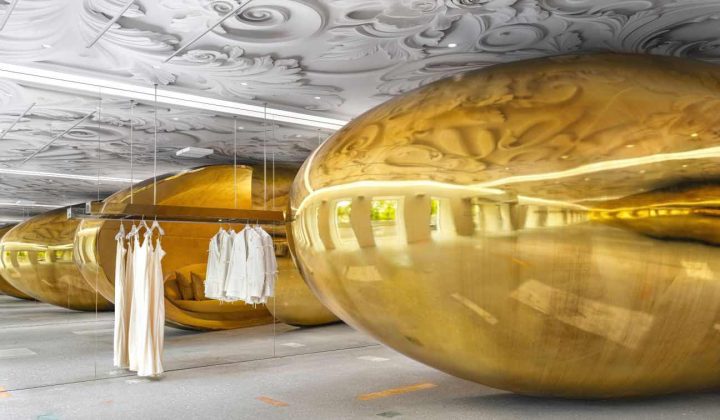
Biomorphic Sculpture Anchors Choux Flagship Store in Moscow by Elena Lokastova
Architect Elena Lokastova designs a two-level retail interior for fashion brand Choux in Moscow, where a gold bean-shaped sculpture and a white…
Read more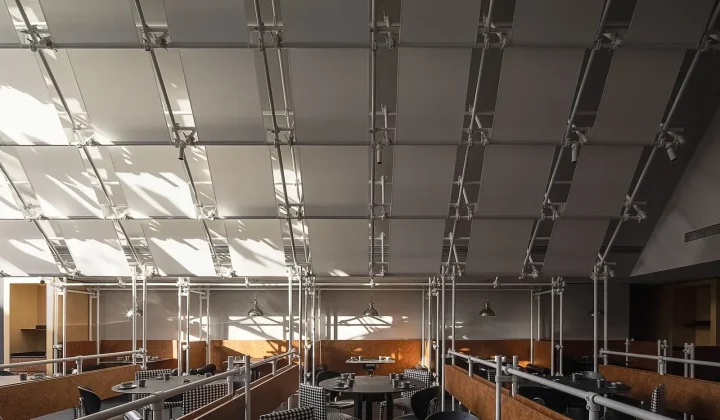
Scaffolding as Interior Architecture: Adaptable Systems Challenge the Divide Between Temporary and Permanent
A new article by Jonathan Yeung examines how modular scaffolding systems, from steel frames to Dieter Rams’ shelving, demonstrate that longevity in…
Read more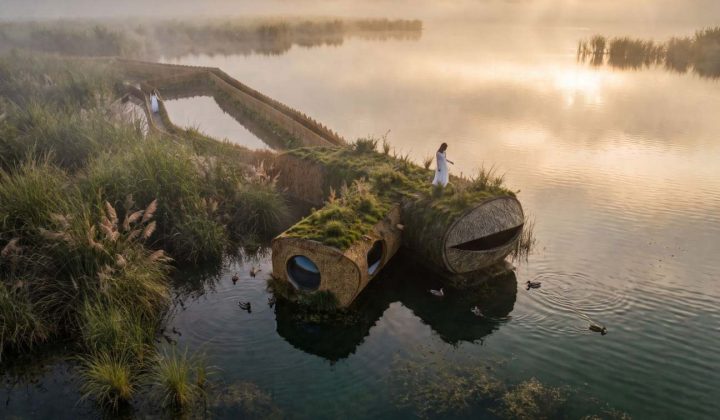
MIV Architects Proposes Wetland Pavilion That Prioritizes Non-Human Habitats Over Human Comfort
The Spanish firm’s “Nidos de Agua” concept for the Albufera natural park in Valencia aims to rebalance the relationship between building and…
Read more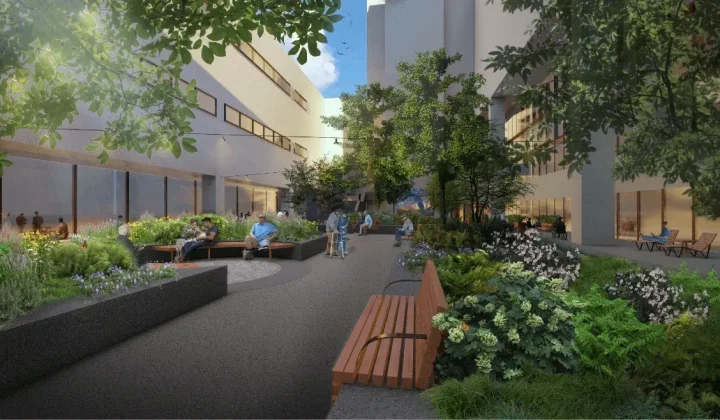
Nelson Byrd Woltz Begins Construction on Restorative Eagle Courtyard at Walter Reed Medical Center
Construction has started on a redesigned Eagle Courtyard at Walter Reed National Military Medical Center, led by Nelson Byrd Woltz Landscape Architects.…
Read moreRelated wiki
Adaptive Reuse in Architecture
Reference page for reuse, retrofit, conversion, embodied carbon and design constraints.
Read more