
Kengo Kuma & Associates Unveils First US Museum Design for Brandywine Conservancy & Museum of Art
Kengo Kuma & Associates, in collaboration with Field Operations and Schwartz/Silver Architects Inc, has released designs for a significant expansion of the Brandywine Conservancy & Museum of Art in Pennsylvania, marking Kengo Kuma's first museum building in the United States. The project includes a new building, renova
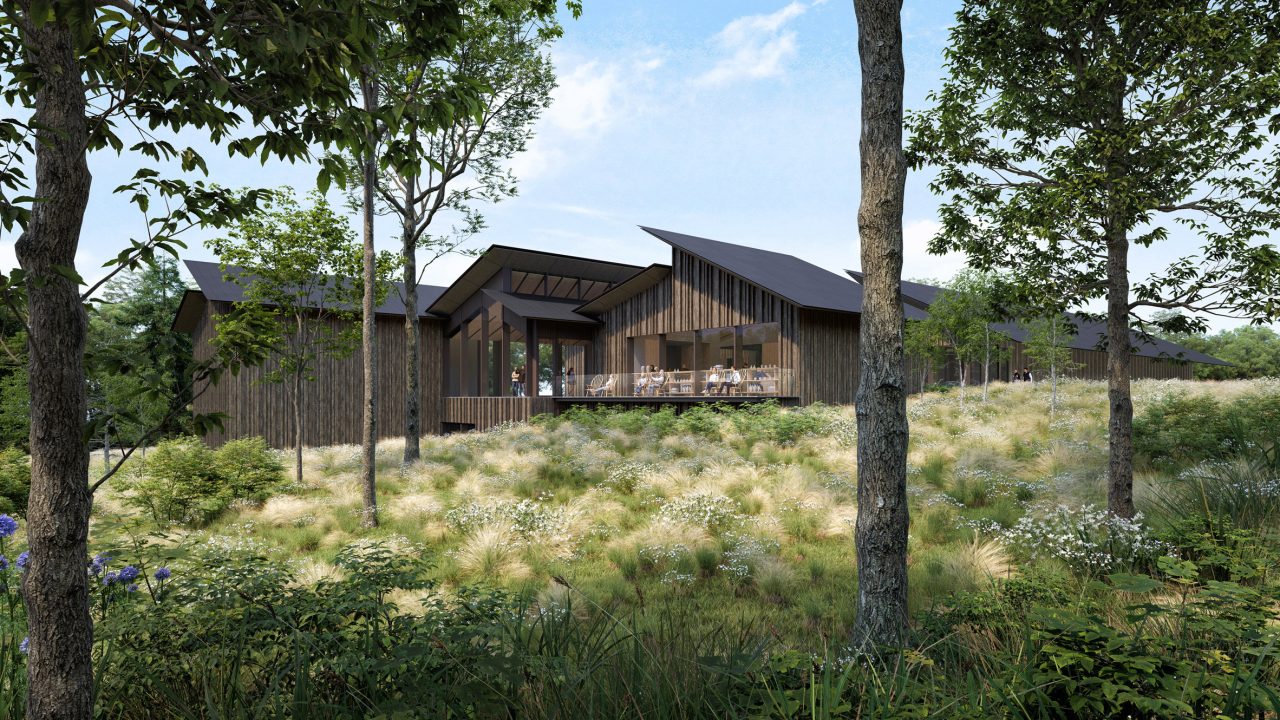
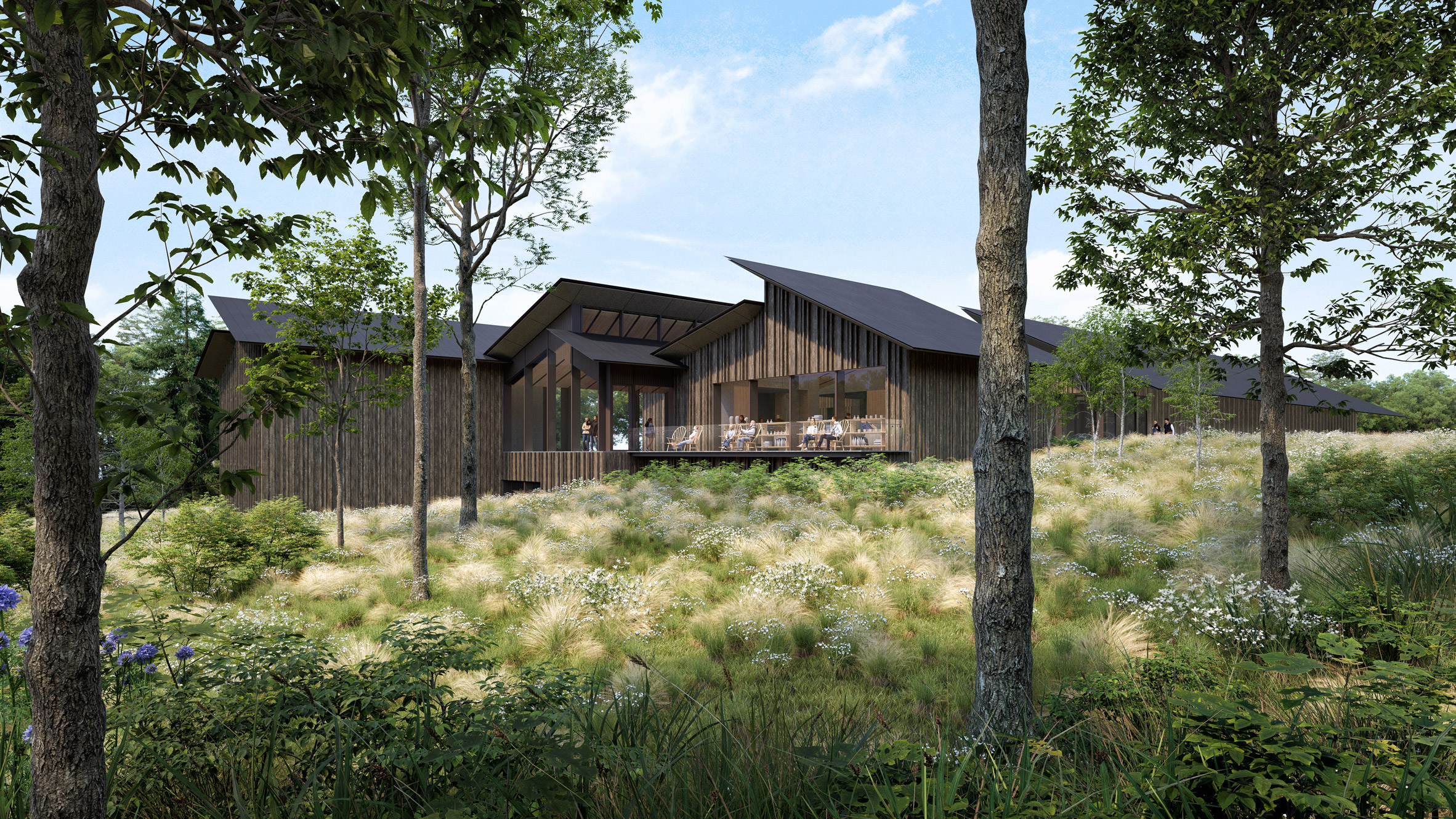
Kengo Kuma & Associates has unveiled the designs for its first museum building in the United States, an expansion of the Brandywine Conservancy & Museum of Art located outside Philadelphia, Pennsylvania. The project, developed in collaboration with landscape design office Field Operations and associated architects Schwartz/Silver Architects Inc, encompasses a new museum building, renovations to an existing mid-nineteenth-century grist mill, and a substantial expansion of the surrounding campus into a 325-acre public preserve. This marks a notable entry for the internationally recognized Japanese architect into the American museum landscape.
The comprehensive expansion aims to integrate art, nature, and conservation, reflecting the Brandywine Museum’s established dedication to both artistic heritage and environmental stewardship within the Brandywine-Christina watershed. The new building is envisioned to emerge from the landscape, rather than imposing upon it, a design philosophy articulated by Kengo Kuma himself.
Project Overview
The core of the expansion is a new museum building designed by Kengo Kuma & Associates. This structure will feature five interconnected volumes, each topped with pitched roofs that present “asymmetric profiles.” Renderings show the building clad in dark brown wood, complemented by a metal roof, designed to blend with the natural surroundings. The multi-level design is adapted to the sloped site, with visitors entering from an upper level into a central, slim volume. The interior program includes two large galleries, a smaller gallery off the lobby, and two additional galleries on the lower level, alongside a coffee bar and a terrace offering views of the grounds.
Alongside the new construction, the project includes renovations to the original museum building, a converted grist mill that has undergone previous updates. This adaptive reuse component ensures the historical continuity of the site while modernizing its facilities.
Key facts
- Aspect: Detail
- Project Type: Museum expansion, new construction, renovation, landscape development
- Location: Outside Philadelphia, Pennsylvania, USA
- Architects: Kengo Kuma & Associates, Schwartz/Silver Architects Inc
- Landscape: Field Operations
- Status: Designs released, construction planned 2027, opening 2029
Landscape Transformation
Field Operations is responsible for expanding the museum’s current 15-acre campus to a 325-acre public preserve and garden. This ambitious landscape component will introduce a network of trails throughout the property, utilizing native plants and incorporating boardwalks through wetland areas. The landscape design is deeply tied to the museum’s conservation mission, aiming to raise awareness of the ecological significance of the Brandywine Valley. It will feature outdoor classrooms and installations that integrate environmental education with the museum’s artistic programming.
Sarah Weidner Astheimer, a partner at Field Operations, highlighted the ecological importance of the Brandywine Valley and how the design seeks to celebrate and reveal this significance, emphasizing the often less visible work of the Conservancy. The expanded campus will also serve to connect the new museum building with the existing structures, including the original Pennsylvania studios of landscape painters NC and Andrew Wyeth, which are part of the museum’s purview.
Design Philosophy and Materiality
Kengo Kuma’s design emphasizes a vernacular approach, aiming for a building that “emerges from the landscape rather than imposing upon it.” This philosophy aligns with Kuma’s broader body of work, which often explores the relationship between architecture and its natural context, frequently employing natural materials. The choice of dark brown wood cladding and pitched roofs for the new building underscores this intention, seeking to create a sense of harmony with the Pennsylvania environment.
Balázs Bognár, executive vice president at Kengo Kuma & Associates, expressed hope that visitors would experience a “meaningful sense of locale,” reflecting the inspiration artists have drawn from the place. The design aims to immerse visitors in local histories, surrounded by local materials, techniques, and the unique light filtered through the forest. This focus on sensory experience and contextual integration is a hallmark of Kuma’s architectural practice.
Timeline and Significance
Construction for the Brandywine Conservancy & Museum of Art expansion is anticipated to commence in Spring 2027, with the new building scheduled to open in Fall 2029. This project represents a significant development for both Kengo Kuma & Associates and the Brandywine Conservancy, marking the architect’s first museum commission in the US and a major expansion for the institution.
For architects, designers, urban planners, and those interested in sustainable development, this project offers insights into large-scale cultural infrastructure that integrates architecture, landscape, and conservation. It demonstrates how contemporary design can respond to historical context and ecological imperatives, creating spaces that are both functionally modern and deeply rooted in their environment. The collaboration between a globally renowned architectural practice and a landscape firm focused on ecological restoration provides a model for future cultural and environmental projects. The project’s emphasis on local materials, contextual design, and educational programming underscores evolving priorities in museum development and public engagement.
Source: Dezeen: https://www.dezeen.com/2026/05/20/kengo-kuma-associates-pennsylvania-brandywine-conservancy-museum-of-art/
Source
Dezeen Original publication: 2026-05-20T18:59:45+00:00
Related news

Handwoven Teak and Cord Outdoor Seating Debuts from Masaya and Abril Zepeda
Nicaraguan furniture brand Masaya has introduced two new handcrafted outdoor chairs — a rocking chair and a lounge chair — designed by…
Read more
Place in Mind: Hendricks Churchill Launches Hospitality Group to Revive Historic Properties
The architecture and interior design studio Hendricks Churchill has launched Place in Mind, a new hospitality group focused on acquiring, restoring, and…
Read more
Adalberto Dias Architects Complete Restoration of Lisbon’s Patriarchal Cathedral and Archaeological Center
The restoration of the Sé de Lisboa by Adalberto Dias Arquitecto integrates a new archaeological center, preserved cloisters, and seven centuries of…
Read more
Vantieghem Talebi’s ‘House of Cards’ Brings Timber Geometry to Belgian Family Home
A new family house in Belgium by US- and Swiss-based practice Vantieghem Talebi uses a steeply pitched, card-house-inspired form clad in Douglas-fir…
Read moreRelated wiki

Adaptive Reuse in Architecture
Reference page for reuse, retrofit, conversion, embodied carbon and design constraints.
Read more