
The Overlooked Role of Clean Air Ducts in Healthy Home Design
A new report highlights how clean air ducts are a foundational, yet often overlooked, element in achieving healthier and more comfortable indoor environments, influencing everything from HVAC efficiency to material preservation in architectural design.


The National Air Duct Cleaners Association (NADCA) has recently highlighted the critical, yet often underestimated, role of clean air ducts in maintaining healthy and comfortable indoor environments. Their findings emphasize that the average six-room home can generate up to 40 pounds of dust annually, directly impacting indoor air quality, occupant health, and the overall longevity of a building’s interior. This insight is particularly relevant for architects, designers, and homeowners, as it underscores how foundational elements like HVAC systems, when properly maintained, contribute significantly to a building’s performance and occupant well-being.
Architectural design meticulously plans the routing of ductwork through walls, ceilings, and floors to ensure consistent airflow and reliable heating and cooling. However, over time, these systems accumulate elements not factored into the original designs, such as dust, pet dander, mold spores, and construction debris. This buildup can silently undermine the air quality and comfort a home is designed to provide, making professional air duct cleaning an essential aspect of building maintenance and sustainable living.
The Hidden Accumulators in Home Systems
Despite careful planning in residential design, air ducts become conduits for various airborne particles and contaminants. These include common household dust and debris from daily activities, pet dander, mold spores often triggered by moisture, and airborne particles originating from cooking and household products. Furthermore, construction dust from renovations can remain in the ductwork long after a project is completed, continuously recirculating into living spaces.
When left unattended, these accumulations force heating, ventilation, and air conditioning (HVAC) systems to work harder, leading to decreased efficiency, higher energy bills, and a shorter lifespan for the system itself. This also means that contaminants are constantly cycled through every room, affecting indoor air quality and occupant health. For instance, rapid dust accumulation means surfaces gather dust quickly, persistent odors from within the ductwork permeate living spaces, and allergy symptoms can worsen due to constant recirculation of irritants. Uneven room temperatures and increased energy consumption are also direct consequences of obstructed airflow.
Key facts:
- Annual Dust Production: Up to 40 pounds in an average six-room home
- Key Contaminants: Dust, pet dander, mold spores, construction debris, household particles
- Cleaning Frequency: Typically every 3-5 years, or sooner for specific conditions
- Impact on HVAC: Reduced efficiency, shorter lifespan, higher energy costs
The Professional Cleaning Process
Professional air duct cleaning services utilize industrial-grade vacuum equipment and rotary brush systems to address these issues. Technicians access the duct system through vent openings and inspection points, ensuring that every section of the ductwork is thoroughly cleaned. Adherence to standards set by the National Air Duct Cleaners Association (NADCA) ensures that cleaning processes are safe and effective. These guidelines cover equipment requirements, inspection protocols before and after cleaning, and proper containment procedures to prevent contaminants from entering living spaces during the process.
Beyond the ducts themselves, professional cleaning often includes cooling coils and blower components, which further improves system efficiency and can lead to significant reductions in energy consumption. This holistic approach ensures that the entire HVAC system operates as designed, promoting better indoor air quality and consistent thermal comfort throughout the home.
Benefits for Health, Comfort, and Material Preservation
Regular professional air duct cleaning offers a multitude of benefits that extend beyond mere air quality. Improved respiratory health is a primary advantage, as the removal of heavy dust and pet dander can significantly reduce indoor allergens, especially beneficial for individuals with sensitivities or respiratory conditions. Consistent comfort is another direct result, as a clean HVAC system can deliver stable temperatures and steady airflow to every planned zone of a home.
From an architectural and design perspective, cleaner indoor environments also contribute to the preservation of interior materials. Fewer airborne particles circulating mean less settling on finishes and surfaces, reducing the need for frequent cleaning and potentially extending the life of interior elements. Stale or musty odors, often tied to HVAC systems, disappear when their source within the ducts is eliminated, contributing to a fresher indoor atmosphere. This proactive maintenance helps a home perform as it was originally designed, protecting the aesthetic and functional integrity of its interior.
Considering Design and Age of Structures
The design and age of a building significantly influence the accumulation of debris in ductwork. Homes built before the 1990s, for instance, often feature duct materials and layouts that are more prone to collecting debris compared to modern systems, leading to a need for more frequent professional cleaning. Evolving HVAC design standards have improved since then, but older properties may require specialized attention.
Furthermore, properties with multi-level layouts, vaulted ceilings, or ducts routed through narrow structural cavities often necessitate additional access points and specialized equipment for effective cleaning. Technicians reviewing floor plans beforehand can ensure that every section of the system is properly addressed. Large, undivided spaces, which rely heavily on the duct system for even air distribution, can also see pollutants travel further and settle across wider surface areas if ducts are dirty.
Specific renovation activities, such as wall removals, ceiling work, or room additions, generate fine construction particles that can directly enter the duct system. Without a post-renovation cleaning, these particles will continue to recirculate. Even flooring choices play a role: while carpeted interiors initially trap particles near the floor, return ducts eventually pull this debris into the system and redistribute it. Homes with hard surface flooring tend to introduce fewer particles into the system over time, highlighting how material choices in design can indirectly affect maintenance needs.
Beyond the immediate benefits, neglecting ductwork poses several risks. For example, a dryer taking longer than usual to dry clothes signals dangerous lint buildup in the vent, a leading cause of residential fires. This exemplifies how seemingly minor maintenance issues can have significant safety implications, reinforcing the idea that clean air ducts are not a luxury but a fundamental component of a safe and healthy home. While many homeowners opt for cleaning every three to five years, visible mold, evidence of pests, or a recent major renovation are strong indicators to schedule cleaning sooner.
The air circulating through a home is fundamental to supporting daily life within it. Architects and designers, in collaboration with homeowners, must recognize the ongoing maintenance of HVAC systems, particularly air ducts, as an integral part of ensuring a building’s long-term health, comfort, and sustainable performance.
Source: Amazing Architecture, “How Clean Air Ducts Shape a Healthier and More Comfortable Home” https://amazingarchitecture.com/articles/how-clean-air-ducts-shape-a-healthier-and-more-comfortable-home
Source
Amazing Architecture Original publication: 2026-05-20T17:29:53+00:00
Related news

Handwoven Teak and Cord Outdoor Seating Debuts from Masaya and Abril Zepeda
Nicaraguan furniture brand Masaya has introduced two new handcrafted outdoor chairs — a rocking chair and a lounge chair — designed by…
Read more
Place in Mind: Hendricks Churchill Launches Hospitality Group to Revive Historic Properties
The architecture and interior design studio Hendricks Churchill has launched Place in Mind, a new hospitality group focused on acquiring, restoring, and…
Read more
Adalberto Dias Architects Complete Restoration of Lisbon’s Patriarchal Cathedral and Archaeological Center
The restoration of the Sé de Lisboa by Adalberto Dias Arquitecto integrates a new archaeological center, preserved cloisters, and seven centuries of…
Read more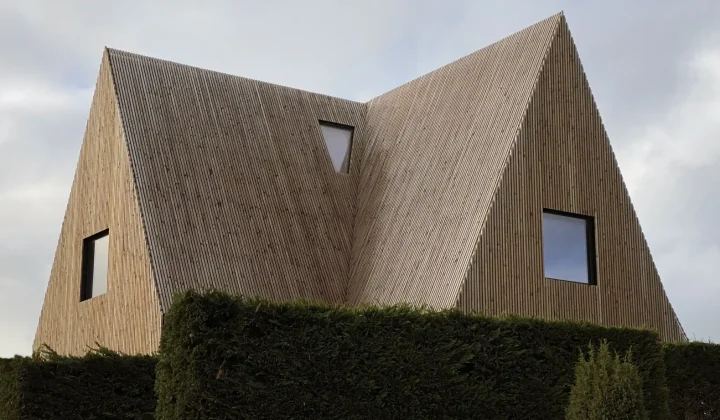
Vantieghem Talebi’s ‘House of Cards’ Brings Timber Geometry to Belgian Family Home
A new family house in Belgium by US- and Swiss-based practice Vantieghem Talebi uses a steeply pitched, card-house-inspired form clad in Douglas-fir…
Read moreRelated wiki

Adaptive Reuse in Architecture
Reference page for reuse, retrofit, conversion, embodied carbon and design constraints.
Read more