
Sans-Arc Studio Refreshes Warehouse into Dual Hospitality Spaces with Mensa Kitchen
A low-intervention approach transforms an existing warehouse and adjoining house into two distinct yet connected hospitality venues, Mensa Kitchen and a separate, accompanying space.
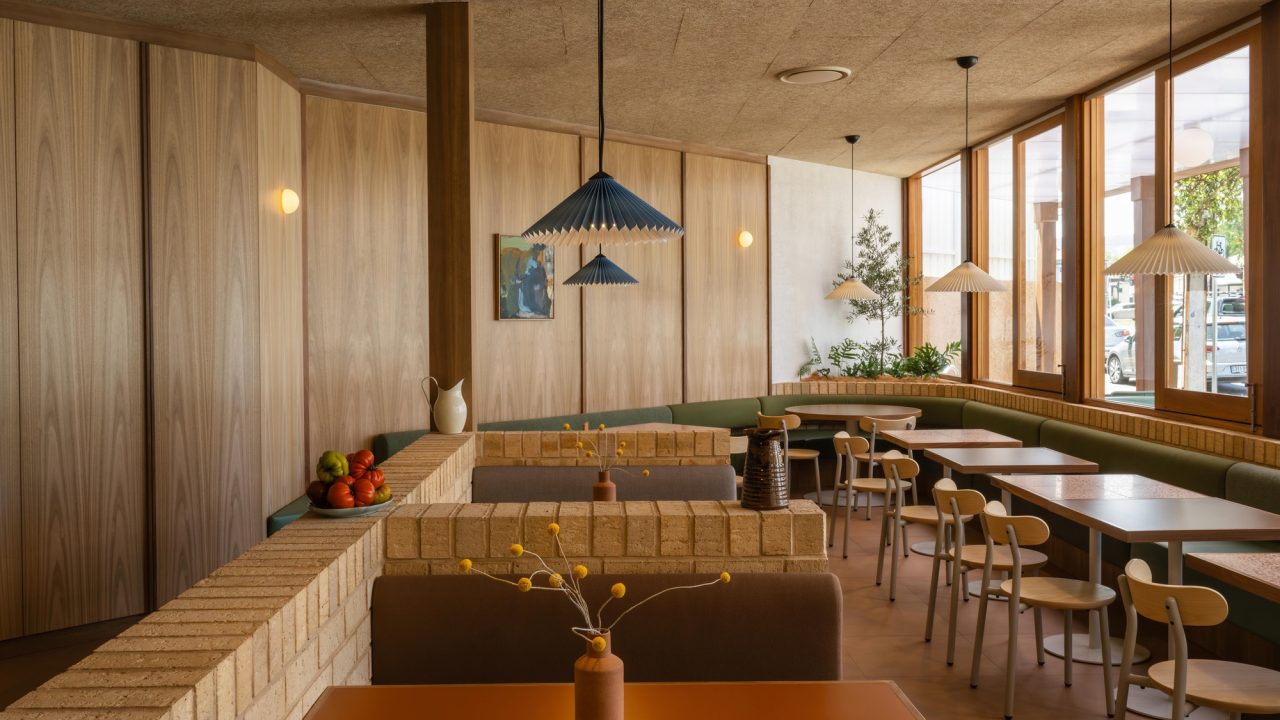
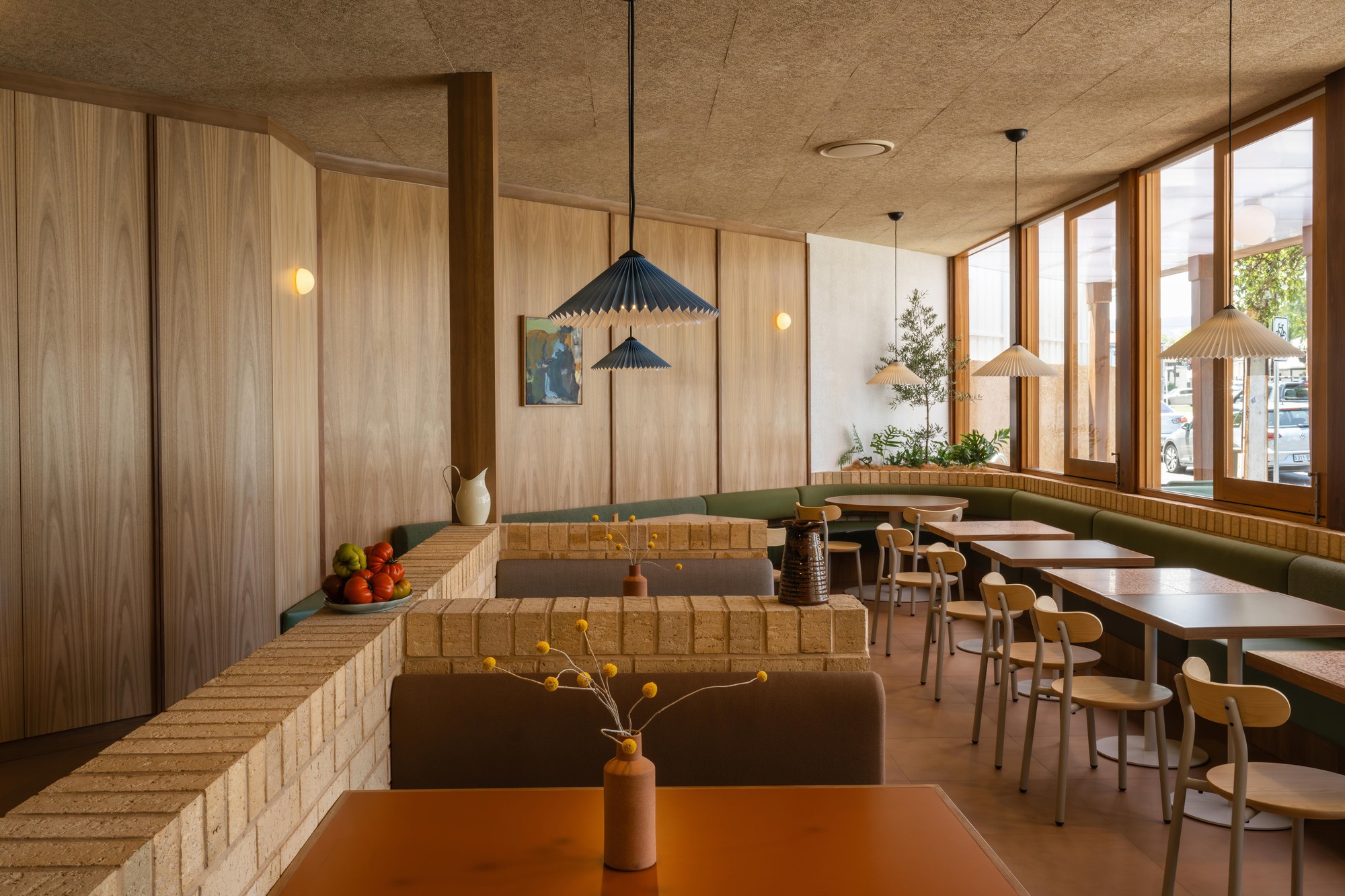
Sans-Arc Studio has completed Mensa Kitchen, a project in Kent Town, Australia, that breathes new life into an existing warehouse and its attached residential structure. The design prioritizes a low-intervention strategy, preserving and refreshing the original buildings while introducing a lightweight new structure to create two separate but interconnected hospitality spaces. This approach emphasizes adaptive reuse, demonstrating a sensitive integration of contemporary design within an established architectural context.
The project’s core concept revolves around maintaining the integrity of the existing warehouse and house. Rather than a wholesale demolition and rebuild, Sans-Arc Studio focused on refurbishment and enhancement. This strategy not only respects the historical and material character of the original structures but also contributes to a more sustainable development model by minimizing waste and embodied carbon. The addition of a lightweight structure serves to define and delineate the new hospitality functions while fostering a sense of connection between them.
Why it matters
Mensa Kitchen, the primary hospitality venue, is designed to offer a distinct dining experience. The accompanying space, while separate, is intended to complement Mensa Kitchen, suggesting a potential for varied offerings or a phased development of the site. The interconnectedness of these spaces implies a thoughtful consideration of patron flow and operational synergy, allowing for flexible use and a cohesive overall atmosphere.
The architectural language employed by Sans-Arc Studio in this project is characterized by a deliberate restraint, allowing the existing fabric to speak for itself. The new lightweight structure is likely designed to be visually distinct yet harmoniously integrated, perhaps utilizing materials that contrast with or complement the original warehouse construction. This approach often involves clean lines, honest material expression, and a focus on natural light and ventilation to enhance the user experience.
Context
This project represents a significant contribution to the field of hospitality design, particularly in its advocacy for adaptive reuse. By transforming an underutilized or existing structure, Sans-Arc Studio not only creates valuable commercial spaces but also contributes to the urban regeneration of Kent Town. The success of Mensa Kitchen will likely hinge on its ability to leverage its unique setting and thoughtfully designed interiors to attract and retain patrons, offering an experience that is both contemporary and rooted in the history of its location.
The implications of this project extend to architects, designers, and urban planners who are increasingly seeking sustainable and contextually sensitive development solutions. Mensa Kitchen serves as a compelling case study for how existing buildings can be reimagined to meet contemporary needs without sacrificing their inherent character. For those interested in restaurant and bar interiors, the project offers insights into creating inviting and functional spaces through careful intervention and material selection.
Key facts
- Project Name: Mensa Kitchen
- Architect: Sans-Arc Studio
- Location: Kent Town, Australia
- Project Type: Hospitality, Adaptive Reuse
- Intervention: Low-intervention, lightweight addition
The design challenges and opportunities inherent in working with existing structures are considerable. Sans-Arc Studio’s decision to maintain and refresh the warehouse and attached house speaks to a deeper understanding of architectural preservation and its potential for creating unique hospitality environments. The introduction of a new, lightweight structure indicates a careful consideration of how to add contemporary functionality without overwhelming the original building’s character. This can involve a dialogue between old and new, where the added elements highlight rather than mask the historical context.
The dual nature of the hospitality spaces — separate but connected — suggests a sophisticated approach to spatial planning. This could manifest in various ways, from shared access points and common amenities to distinct entrances and thematic differentiation. The success of such a design often relies on creating a seamless experience for visitors, regardless of which space they occupy, while allowing for independent operation if needed. This duality offers flexibility for the operators and enhances the richness of the patron experience.
For the community of Kent Town, the revitalization of this warehouse and house represents an injection of new activity and design interest into the local urban fabric. Adaptive reuse projects often become focal points, drawing attention to the architectural heritage of an area while introducing modern amenities and economic opportunities. The transformation of industrial or underused buildings into vibrant hospitality destinations can significantly contribute to the character and appeal of a neighborhood.
The materials and construction methods employed in the lightweight addition will be crucial to the project’s overall aesthetic and performance. Architects often opt for materials like timber, steel, or glulam beams for such additions, chosen for their structural efficiency, aesthetic qualities, and potential for sustainable sourcing. The detailing of these new elements against the backdrop of the existing warehouse will be a key aspect of the design, creating moments of visual interest and highlighting the juxtaposition of old and new.
The success of Mensa Kitchen will ultimately be measured not only by its architectural merit but also by its ability to function effectively as a business and to provide a memorable experience for its guests. Sans-Arc Studio’s focus on a low-intervention approach, combined with the strategic addition of new elements, points towards a design that is both respectful of its context and forward-looking in its functionality.
Source:
ArchDaily
https://www.archdaily.com/1041593/mensa-kitchen-sans-arc-studio
Source
ArchDaily Original publication: 2026-05-21T19:00:00+00:00
Related news

Yinka Ilori’s Vibrant New Collection for Dunelm Celebrates Community and Leicester’s Textile Heritage
British-Nigerian artist and designer Yinka Ilori collaborates with homeware giant Dunelm on a 40-piece collection featuring colourful furniture, textiles, and lighting, inspired…
Read more
Faye Toogood Unveils ‘Bone, Roll, Slump’ Furniture Collection with Archaeological Aesthetic
British designer Faye Toogood's latest furniture range, 'Bone, Roll, Slump,' draws inspiration from excavated artifacts, featuring sculptural pieces that blend organic forms…
Read more
LACMA’s David Geffen Galleries Echoes Michael Heizer’s Land Art Precedents
LACMA's new David Geffen Galleries, designed by Peter Zumthor with SOM, draws parallels to monumental land art, particularly Michael Heizer's "City," in…
Read more
NYU Launches Interdisciplinary Fellowship to Foster Urban Innovation
The Schack Institute of Real Estate at New York University has introduced the Building Better Cities Collaborative (BBCC), a new fellowship program…
Read moreRelated wiki

Adaptive Reuse in Architecture
Reference page for reuse, retrofit, conversion, embodied carbon and design constraints.
Read more