
Renovation Chaos Tamed by Strategic Storage Solution
A simple decision to rent a self-storage unit transformed a prolonged and stressful home renovation by providing much-needed space and order.

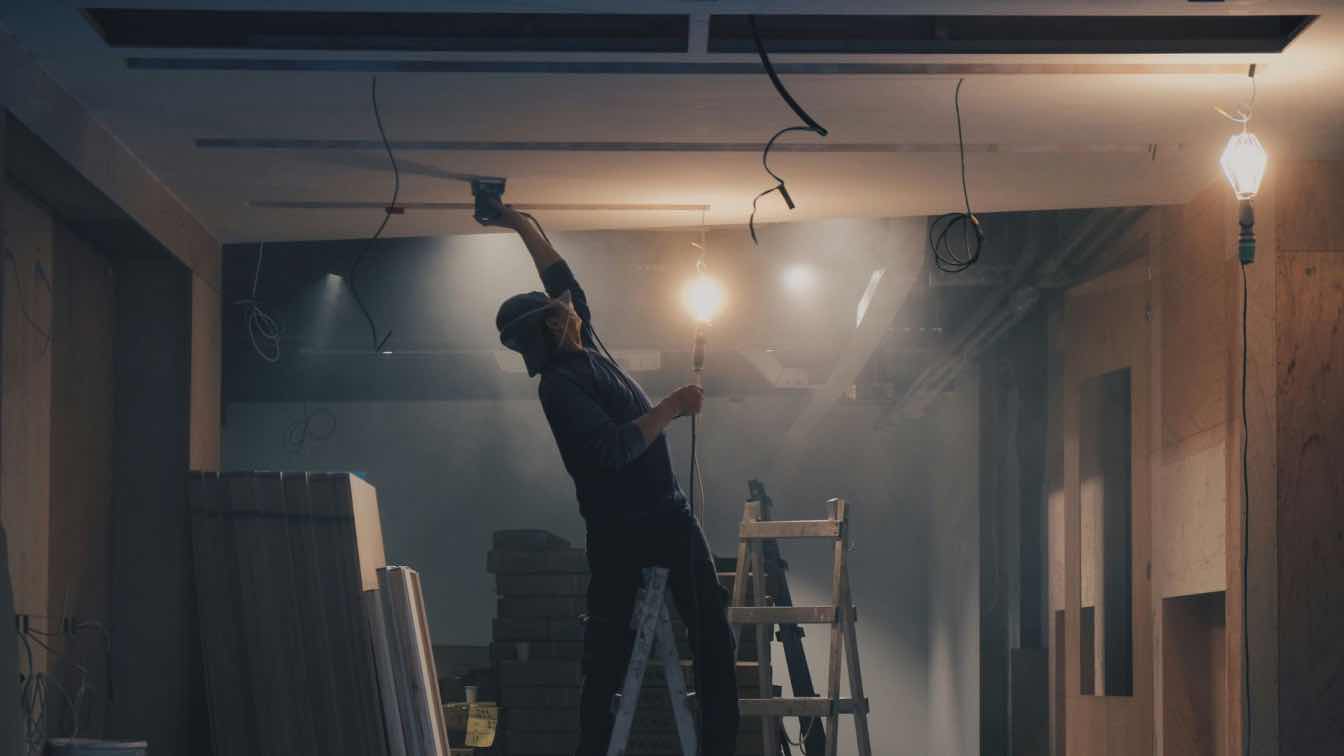
The challenges of undertaking a home renovation can quickly escalate beyond initial plans, transforming living spaces into chaotic hubs of construction and displaced belongings. For one family, a renovation intended to take six weeks stretched towards twelve, with the kitchen remaining unfinished and living areas becoming makeshift storage zones. This prolonged disruption highlighted a critical need for effective space management during remodeling, a problem that was eventually addressed by a practical, yet often overlooked, solution: renting a self-storage unit.
The initial stages of most renovations involve planning which rooms to tackle and where to temporarily house furniture. However, as work progresses, the neat separation of spaces dissolves. Kitchen tables migrate to lounges, hallways become repositories for furniture, and spare rooms overflow with tools, appliances, and essential items relocated “just for now.” This “domino effect” can make a home feel unlivable and significantly increase stress for families attempting to maintain normal daily routines amidst the upheaval.
Why it matters
Key facts
- Original Renovation Timeline: 6 weeks
- Actual Renovation Duration: Approaching 12 months (at the time of the article)
- Primary Solution: Renting a self-storage unit
- Benefits of Storage: Protects furniture, clears living space, reduces stress
The decision to utilize a self-storage unit provided a flexible, month-to-month solution for furniture, boxes, and household items that had no designated safe haven within the house. This externalized the clutter, allowing builders greater access to work areas and freeing up remaining living spaces for the family. The article emphasizes that while external factors such as delivery dates and contractor schedules are often beyond a homeowner’s control, the amount of internal chaos can be managed.
The impact of dust and debris during renovations cannot be overstated. Plaster dust, damp paint, and the general bustle of construction can infiltrate belongings, tarnish electronics, and settle into areas that are meant to remain untouched. Items like sofas, mattresses, wooden furniture, rugs, children’s toys, and seasonal goods are particularly vulnerable. Keeping these items out of the active construction zones is crucial for their preservation.
Decluttering Before Renovation
A proactive approach to decluttering before the first wall is dismantled can significantly mitigate renovation stress. Sorting belongings into categories—what is needed daily, what goes into storage, what can be donated, and what is no longer needed—transforms the renovation process from merely a construction project into an opportunity for a thorough home reset. This pre-renovation purge not only reduces the volume of items to be moved and protected but also prevents the same clutter from returning once the project is complete.
The availability of external storage space provides a much-needed “breathing room” for families. It allows children to have dedicated sleeping areas, hallways to function as passages, and living rooms to be used, albeit not always optimally. This shift in physical space has a profound impact on the emotional burden of renovation, preventing homeowners from feeling as though they are perpetually living within a construction site.
Beyond space, a self-storage unit offers a secure environment for belongings, shielding them from the harsh realities of active construction. This safeguard is essential for preserving valuable or sentimental items. Furthermore, it simplifies the cleaning process for both the family and the contractors, as there are fewer surfaces and items to contend with.
The article advocates for flexible storage not as a luxury, but as a sensible and strategic option for anyone undergoing a significant home renovation. It underscores that while building a dream home is a worthwhile endeavor, maintaining a semblance of normal life and managing the inevitable disruption requires practical planning. For the family featured, the self-storage unit was the key to navigating the difficult months of transformation, allowing them to breathe, move, and continue their lives while their home was being reimagined.
Source: Amazing Architecture
https://amazingarchitecture.com/articles/the-renovation-that-took-over-the-house-and-how-one-decision-made-it-manageable
Source
Amazing Architecture Original publication: 2026-05-22T23:45:46+00:00
Related news

Handwoven Teak and Cord Outdoor Seating Debuts from Masaya and Abril Zepeda
Nicaraguan furniture brand Masaya has introduced two new handcrafted outdoor chairs — a rocking chair and a lounge chair — designed by…
Read more
Place in Mind: Hendricks Churchill Launches Hospitality Group to Revive Historic Properties
The architecture and interior design studio Hendricks Churchill has launched Place in Mind, a new hospitality group focused on acquiring, restoring, and…
Read more
Adalberto Dias Architects Complete Restoration of Lisbon’s Patriarchal Cathedral and Archaeological Center
The restoration of the Sé de Lisboa by Adalberto Dias Arquitecto integrates a new archaeological center, preserved cloisters, and seven centuries of…
Read more
Vantieghem Talebi’s ‘House of Cards’ Brings Timber Geometry to Belgian Family Home
A new family house in Belgium by US- and Swiss-based practice Vantieghem Talebi uses a steeply pitched, card-house-inspired form clad in Douglas-fir…
Read moreRelated wiki

Adaptive Reuse in Architecture
Reference page for reuse, retrofit, conversion, embodied carbon and design constraints.
Read more