HCCH Studio Revitalizes Shanghai’s West Bund with Dream Center Project
HCCH Studio's BLDG1 and BLDG3 at the West Bund Dream Center transform a former industrial site into a vibrant cultural and commercial hub along the Huangpu River.
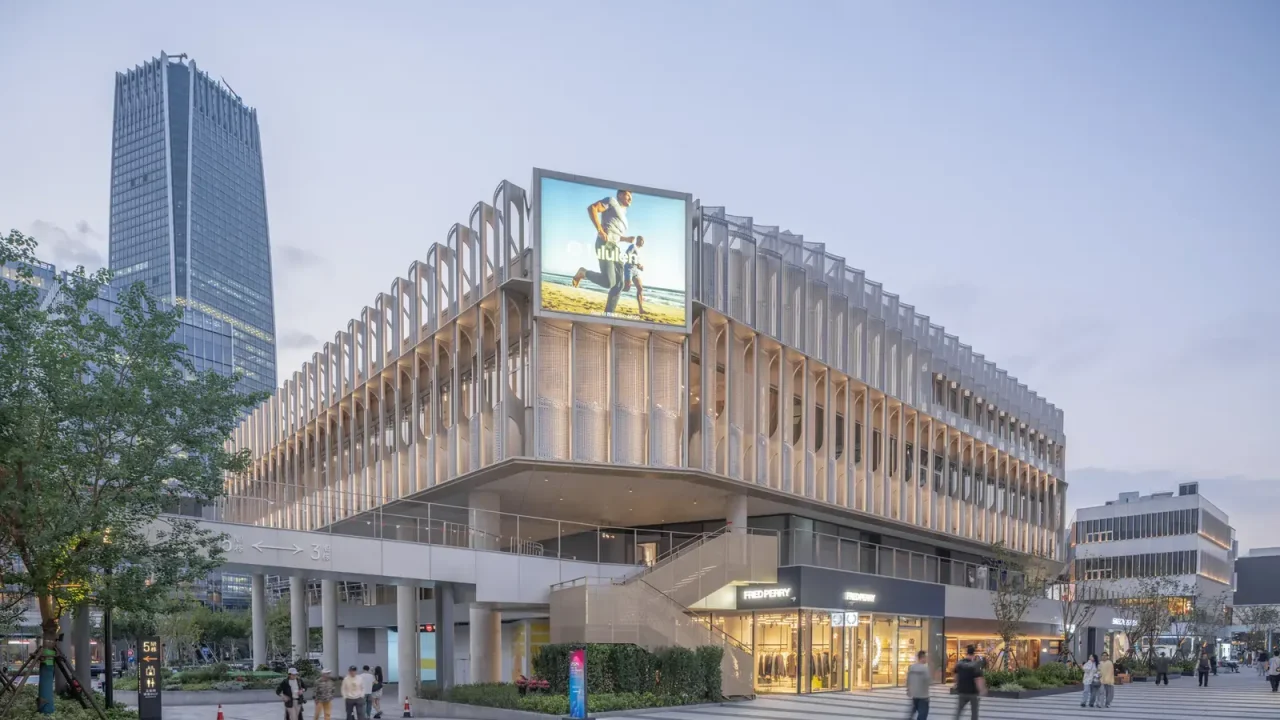
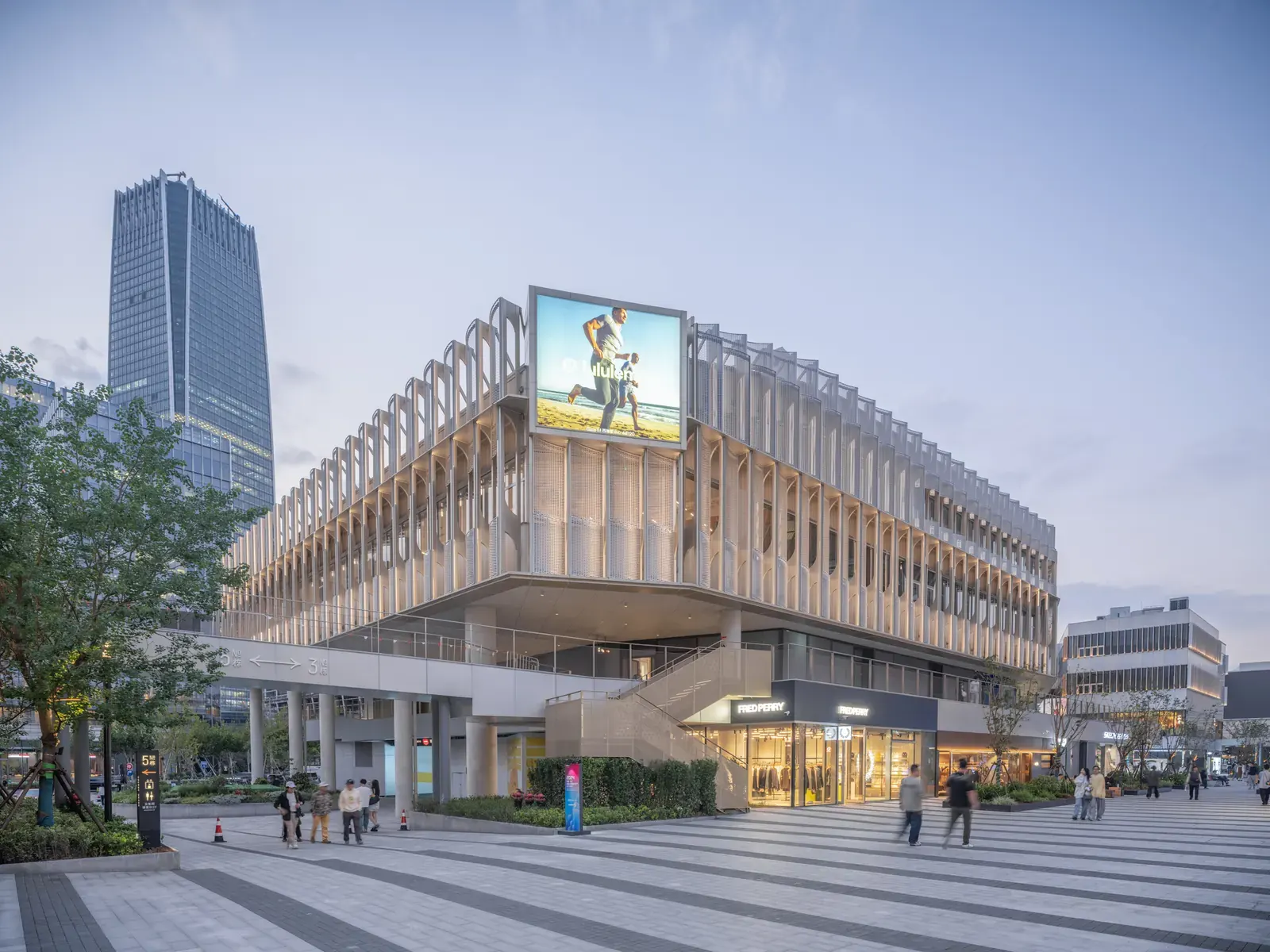
A decade in the making, Shanghai’s West Bund Dream Center is emerging as a significant cultural and commercial destination, breathing new life into the former site of the Shanghai Cement Factory. Among the key contributors to this transformation are HCCH Studio, responsible for the design of BLDG1 and BLDG3 along Longteng Avenue. These structures are central to the district’s aim of blending a sense of industrial rawness with a refined urban lifestyle, capitalizing on its prime location along the Huangpu River.
The project, which has been pending for ten years, now presents a dynamic district that welcomes both river breezes and diverse crowds. HCCH Studio’s intervention focuses on revitalizing specific zones within this expansive development, ensuring they contribute to the overall vision of a lively and engaging public space. The design seeks to create a unique atmosphere where the site’s industrial heritage is acknowledged while integrating contemporary needs for cultural and commercial activity.
Por que importa
Redevelopment of the West Bund area is part of a broader strategy to enhance Shanghai’s waterfront, turning post-industrial landscapes into vibrant urban centers. The West Bund Dream Center, in particular, aims to become a focal point for cultural events, retail, and leisure, attracting both local residents and international visitors. The inclusion of BLDG1 and BLDG3 by HCCH Studio signifies a commitment to high-quality architectural design that respects the site’s history while embracing future possibilities.
The architectural approach by HCCH Studio for BLDG1 and BLDG3 is expected to reflect a thoughtful integration with the surrounding environment and the broader master plan of the Dream Center. While specific design details are not elaborated in the provided context, the studio’s involvement suggests a focus on creating spaces that are both aesthetically compelling and functionally effective for their intended cultural and commercial uses. The successful realization of such projects often involves balancing the preservation of historical character with the introduction of modern amenities and architectural innovation.
Contexto
The transformation of the former Shanghai Cement Factory site into the West Bund Dream Center underscores a global trend in urban regeneration, where industrial remnants are reimagined as cultural and economic engines. This approach not only addresses the need for new public spaces but also preserves the narrative of a city’s evolution. HCCH Studio’s contribution to this narrative through BLDG1 and BLDG3 is a testament to the ongoing evolution of Shanghai’s urban fabric.
Key facts
| Feature | Detail |
|---|---|
| Project Name | West Bund Dream Center BLDG1+BLDG3 |
| Architect | HCCH Studio |
| Location | Shanghai, China (former Shanghai Cement Factory site) |
| Development Goal | Cultural and commercial destination along Huangpu River |
| Published Date | July 14, 2026 |
The revitalization of this significant waterfront area is crucial for Shanghai’s continued development as a global hub for culture, commerce, and tourism. By repurposing industrial sites, the city not only creates new spaces for public engagement but also acknowledges and integrates its past into its future. HCCH Studio’s work on BLDG1 and BLDG3 plays a vital role in shaping this new urban chapter.
Source: ArchDaily – West Bund Dream Center BLDG1+BLDG3 / HCCH Studio – https://www.archdaily.com/1033606/west-bund-dream-center-bldg1-plus-bldg3-hcch-studio
Source
ArchDaily Original publication: 2026-07-14T00:00:00+00:00
Related news
Christopher Kane brings streamlined, heritage-driven vision to Mulberry in London Fashion Week debut
The Scottish designer presented his first collection for the British leather goods house at London Fashion Week, blending sharp tailoring, archival references…
Read more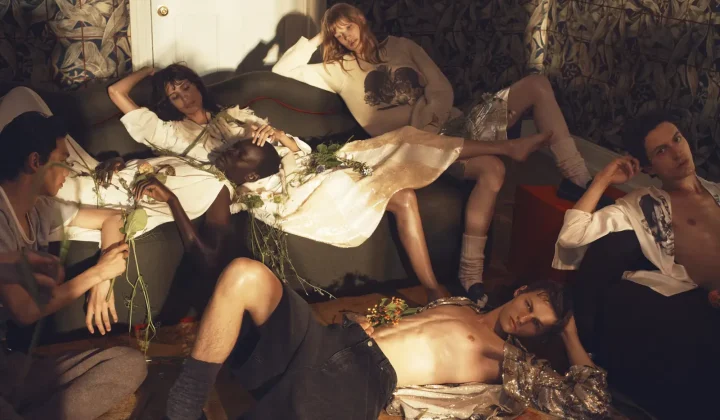
When Film Directors Become Interior Designers: Guadagnino, Lynch, Anderson and Almodóvar Step Off Screen
From Luca Guadagnino’s Zara Home collection to David Lynch’s Paris club and Wes Anderson’s train carriage, a wave of collaborations is blurring…
Read more
Jesus Mari Lazkano Examines Changing Landscapes Through Painting and Animated Film at Basque Luxury Studio
The Basque artist’s exhibition ‘Azken Natura’ brings together six large-scale paintings and a 22-minute animated film that traces the melting of the…
Read more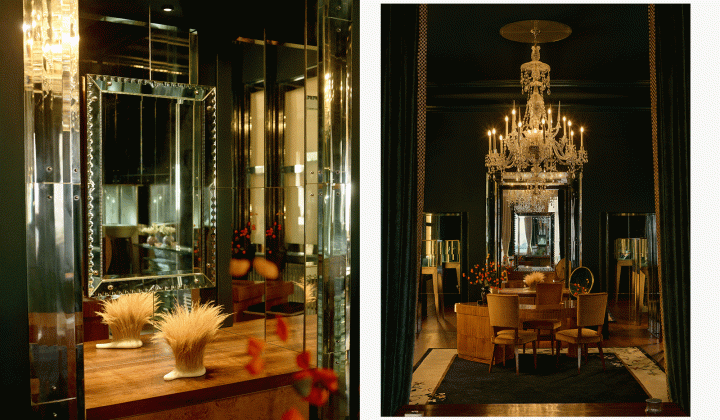
Glenn Spiro opens intimate jewellery atelier in Mayfair with designer Valerie Name Bolaño
The London jewellery house’s new boutique at 26 Bruton Street blends antiques, bespoke furniture and a monochrome palette to create a residential…
Read moreRelated wiki
Adaptive Reuse in Architecture
Reference page for reuse, retrofit, conversion, embodied carbon and design constraints.
Read more