San Francisco’s Exploratorium turns STEM learning into hands-on play at Pier 15
From fog bridges and DNA portraits to geysers and colored shadows, the Exploratorium on Pier 15 invites visitors of all ages to test how the world works with their own hands.
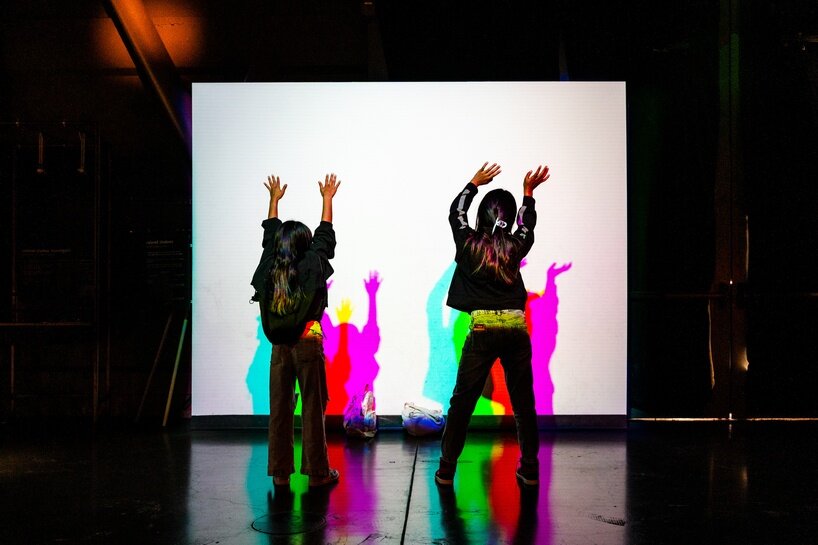
On Pier 15 in San Francisco, the Exploratorium looks out onto the Bay and invites visitors to touch, test and play with science in ways most museums do not. Founded in 1969, it is not a collection of objects to be observed behind glass. It is a didactic playground where exhibition developers, artists, scientists and volunteers turn STEM topics into interactive experiences, from geysers and colored shadows to fog and DNA. The museum’s waterfront location shapes much of what it does, and the city’s famously hazy weather is part of the show.
Fog Bridge turns San Francisco’s famous weather into an installation
Residents have long had an affectionate relationship with the fog that rolls through the Bay Area in summer, even naming it Karl and tracking it on Instagram via @karlthefog. A quote often wrongly attributed to Mark Twain — “The coldest winter I ever spent was a summer in San Francisco” — captures how much the region’s climate defines daily life. The Exploratorium drew on that enthusiasm when artist Fujiko Nakaya created Fog Bridge #72494 in 2013. The installation intermittently shrouds a bridge connecting the two piers on which the museum sits, with water pumped at high pressure through more than 800 nozzles lining the walkway.
When California entered a multi-year drought in 2014, the museum deactivated the piece as a water conservation measure. Rather than retire it permanently, the Exploratorium reconfigured Fog Bridge to run on desalinated water from the Bay, keeping the installation alive while adapting to the region’s water realities.
DNA portraits bring science into questions of identity
Heather Dewey-Hagborg, an artist-in-residence at the Exploratorium, was contacted by PAPER Magazine in 2014 to create a portrait of whistleblower Chelsea Manning, who was then incarcerated and could only conduct interviews with the press by post. The work grew out of Dewey-Hagborg’s Stranger Visions project (2012–2013), in which she built profiles of strangers based solely on their DNA sequences.
She learned to sequence DNA at Genspace, a community laboratory in Brooklyn, and designed a custom algorithm to generate 3D-printed, human-scale masks. After receiving saliva and hair samples from Manning, she produced 20 possible portraits for the work Probably Chelsea. An iteration was presented in the museum’s Cells to Self collection, which considers the diversity of cell form and function, from the environmental awareness of bacteria to human heart cells beating in response to electricity.
Exhibit Development Shop opens the workshop doors
Visitors can watch the next round of exhibits take shape. The Exhibit Development Shop is a fully equipped workshop on display to passersby, where developers build displays with interchangeable parts designed for repeated hands-on use. Between exploring perception tricks and the truths of gravity, museum-goers can see the developers at work on exhibitions that are constantly in progress.
Jessica Strick, who has been with the museum for over two decades, told the Exploratorium that visitors may be surprised to learn that exhibit developers not only come up with the ideas but also build and maintain them. Table saws, drill presses and a laser cutter — one of Strick’s favorite tools — are part of daily production in the shop.
Hindes Prototyping Event rewards speed and cheap experiments
The Exploratorium also runs the Hindes Prototyping Event, a hackathon-style challenge in which 10 to 12 museum participants receive $300 and three days to prototype their most adventurous exhibition ideas. A video documenting the results quotes Brian Eno: “If you want to get unusual results, work fast and work cheap… there’s more of a chance you’ll get somewhere that nobody else did.”
The event feeds the museum’s rotating lineup of displays, which also includes Colored Shadows, the Giant Lens and a Geysers piece that erupts depending on the temperature and pressure of the water inside it.
What remains unclear
The Designboom article does not specify which exhibits are currently on display at Pier 15, and museums frequently rotate their collections. The current status of Fog Bridge #72494 — including whether it still runs on desalinated Bay water — is not stated in the source. Visitor numbers, ticket prices and operating hours are also not reported there.
Key facts at a glance
| Item | Detail |
|—|—|
| Museum | Exploratorium, Pier 15, San Francisco, California |
| Founded | 1969 |
| Fog Bridge #72494 | Fujiko Nakaya, 2013;
Datos clave
| Punto | Detalle |
|---|---|
| Fuente | Designboom |
| Fecha | 2026-08-01T20:35:45+00:00 |
| Tema | san francisco’s exploratorium turns STEM learning into hands-on play |
Source
Designboom Original publication: 2026-08-01T20:35:45+00:00
Related news
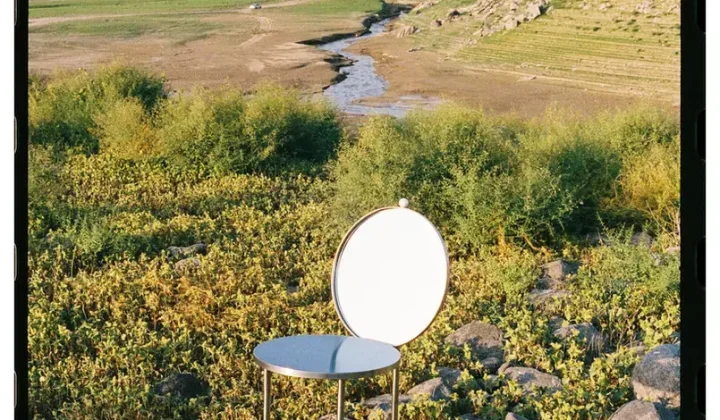
Armenian Designer Shushana Khachatrian Debuts ‘The Woman’s Chair,’ a Deliberately Uncomfortable Reflection on Social Structures
Armenian designer Shushana Khachatrian's 'The Woman's Chair' uses polished stainless steel and a deliberately unstable geometry to question expectations around comfort, posture,…
Read more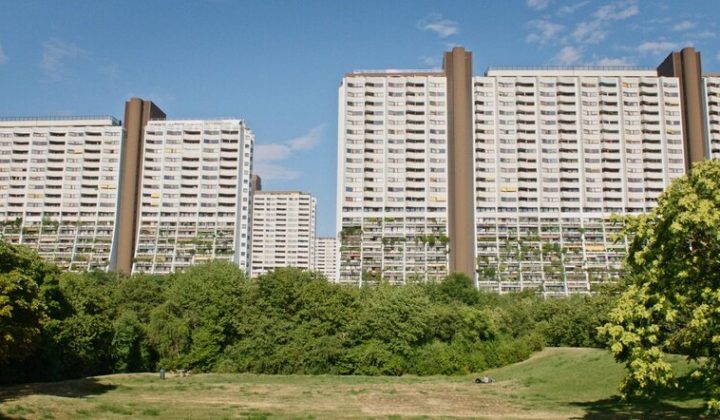
27 Storeys Documentary Revisits Vienna’s Alterlaa and the Utopian Promise of Collective Living
Director Bianca Gleissinger returns to her childhood home in the Alterlaa housing complex to explore how a 1970s social housing project achieved…
Read more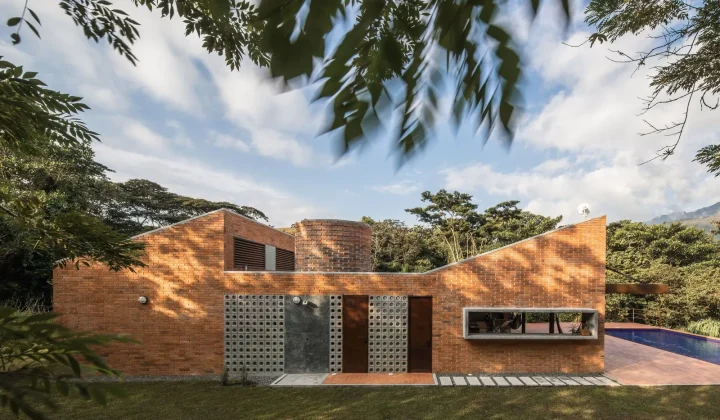
12 Colombian Houses Showcase the Enduring Appeal of Exposed Brick
ArchDaily highlights a dozen Colombian homes that use exposed brick as a structural and aesthetic statement, reflecting the material's deep roots in…
Read more
Behin Ha completes trio of townhouse ADUs on a single Jersey City lot behind a preserved 150-year-old house
The New York-based studio placed three two-bedroom townhouses at the rear of a restored single-family house in Jersey City’s Heights neighborhood, using…
Read moreRelated wiki
Adaptive Reuse in Architecture
Reference page for reuse, retrofit, conversion, embodied carbon and design constraints.
Read more