
Cocopah Museum Expansion in Arizona Features Weathering Steel and Pigmented Concrete
EYRC Architects designs a new cultural center for the Indigenous Cocopah Nation near the Colorado River, utilizing durable, locally resonant materials.
Cocopah Museum Expansion in Arizona Features Weathering Steel and Pigmented Concrete
SLUG: cocopah-museum-expansion-arizona-weathering-steel-pigmented-concrete
EXCERPT: EYRC Architects designs a new cultural center for the Indigenous Cocopah Nation near the Colorado River, utilizing durable, locally resonant materials.
CATEGORY: projects
TAGS: EYRC Architects, Cocopah Nation, Cocopah Museum, Arizona, Yuma, weathering steel, pigmented concrete, Indigenous architecture, cultural heritage
SEO_TITLE: EYRC Architects Expands Cocopah Museum with Weathering Steel and Concrete in Arizona
SEO_DESCRIPTION: California studio EYRC Architects has completed an expansion of the Cocopah Museum and Cultural Center in Arizona, featuring weathering steel and pigmented concrete, designed in close consultation with the Cocopah Nation.
MEDIA_QUERY: Cocopah Museum expansion by EYRC Architects, Arizona, weathering steel cultural center
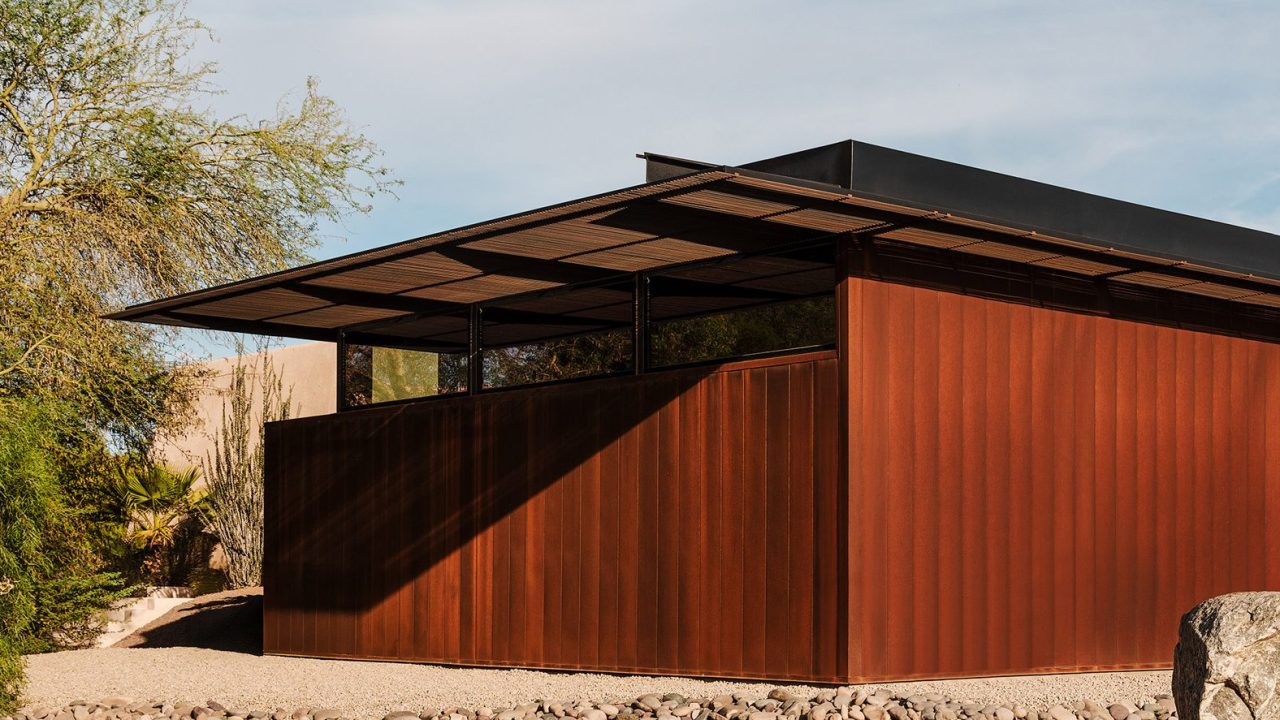
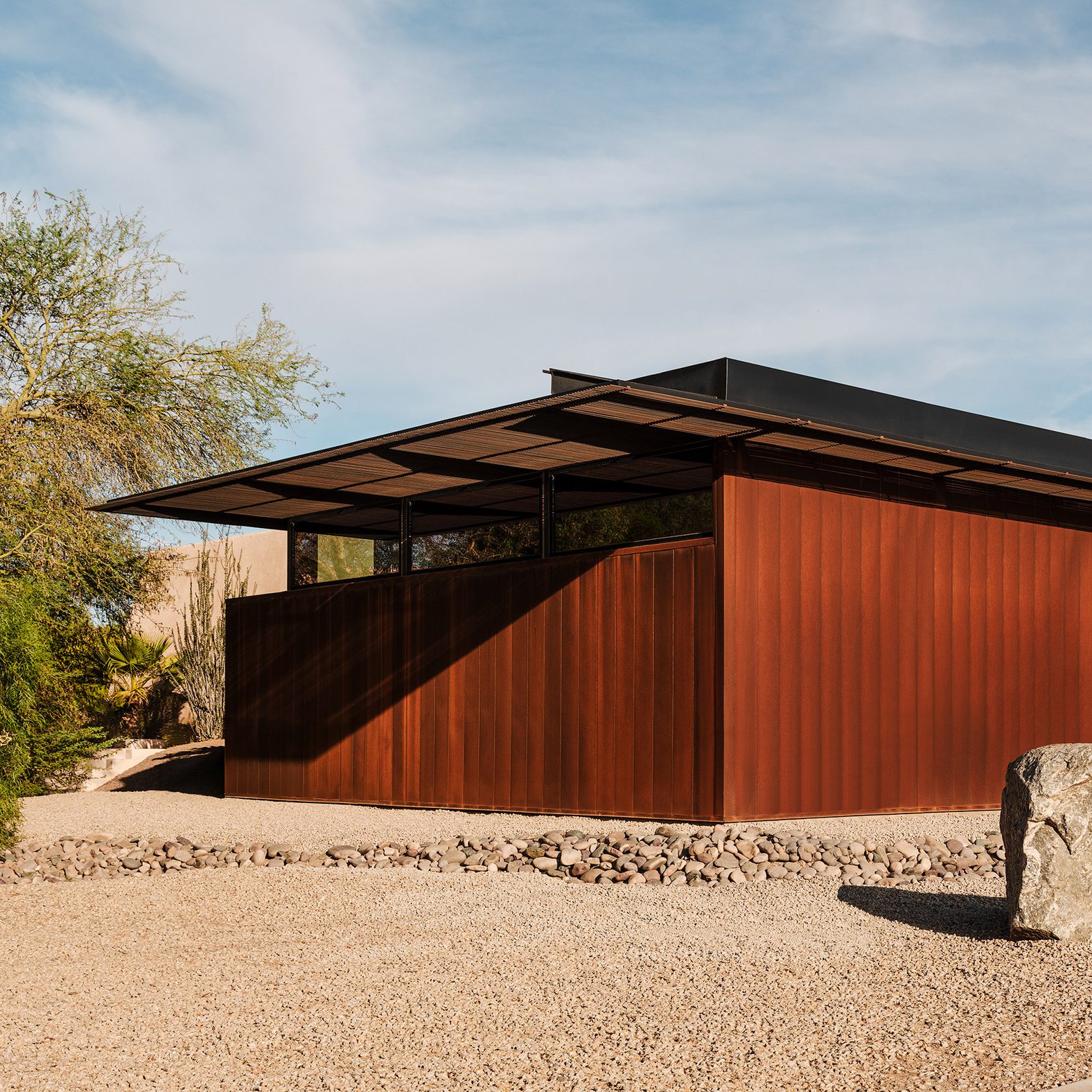
IMAGE_ALT: Exterior view of the Cocopah Museum and Cultural Center expansion, showcasing its weathering steel facade and flat roof.
The Cocopah Museum and Cultural Center, located near Yuma, Arizona, and the Colorado River, has received a significant expansion with a new, standalone building designed by California-based EYRC Architects. This addition aims to preserve and showcase the history and traditions of the Indigenous people of the Cocopah Nation. Both EYRC Architects and the general contractor provided their services pro bono for the design and construction of the new 1,200-square-foot (111-square-metre) gallery, which stands adjacent to the original museum built in 1996.
Designed with a modest budget, the project emphasizes a deep respect for the place, its people, and their traditions, according to EYRC Architects. The new structure’s design draws inspiration from the historically sustainable dwellings of the Cocopah people, incorporating an orthogonal plan and an overhanging flat roof.
Materials and Design
The main volume of the new building is constructed from pigmented concrete, chosen for its hue to echo the surrounding desert landscape and to evoke the earthen walls characteristic of historic Cocopah dwellings. Encasing three sides of the gallery’s exterior are walls clad in vertical panels of weathering steel, a material selected for its ability to develop a protective patina over time, further integrating the building with its environment.
Internally, the ceiling is adorned with a lattice of willow branches, a direct homage to the native vegetation found along the Colorado River. Complementing this, an external trellis, constructed from steel reinforcing bars, offers a contemporary interpretation of the same natural element, described by EYRC Architects as a “poetic expression of structural honesty and simplicity.”
Sustainability and Context
The architectural approach integrates natural materials with a modern interpretation of traditional Cocopah building practices. This connection to the environment is further enhanced through strategic design elements aimed at mitigating the desert climate. The trellis, for instance, provides shade for clerestory windows, shielding the interior from the intense desert sun. The well-insulated concrete walls also play a crucial role in minimizing solar heat gain, contributing to a more comfortable and energy-efficient interior.
The landscaping surrounding the new building features low-maintenance gravel beds and drought-tolerant cactus plants, chosen for their ability to withstand the arid conditions of the region. This approach to site development reflects a commitment to sustainability and harmony with the natural environment.
Community Collaboration
A cornerstone of the project’s success was the close collaboration with the Cocopah Nation. EYRC Architects engaged in consultation with the Nation at every stage of the design and construction process. This ensured that the building would sensitively represent their culture and effectively accommodate the museum’s exhibits. “Throughout the design process, the team centered the voices of the Cocopah people, listening closely to their stories and the rhythms of their land,” stated EYRC Architects. The studio emphasized that the outcome is a space that not only fulfills functional requirements but also empowers the community to share their narrative in their own authentic way.
EYRC Architects, an abbreviation for Ehrlich Yanai Rhee Chaney Architects, is known for a diverse portfolio of projects, primarily in California. Their work spans residential designs, such as a sleek stucco home in Venice Beach and a Silicon Valley residence clad in Danish brick, as well as commercial projects like the transformation of a former LA Times facility into an office campus. This project in Arizona represents a significant cultural endeavor, demonstrating the studio’s commitment to meaningful design in collaboration with Indigenous communities.
Key facts
- Architect: EYRC Architects
- Project Type: Museum and Cultural Center Expansion
- Location: Arizona, near Yuma and the Colorado River
- Materials: Weathering steel, pigmented cast concrete, willow branches, steel reinforcing bars
- Size: 1,200 sq ft (111 sq m)
- Construction: Pro bono services from architect and general contractor
This expansion of the Cocopah Museum and Cultural Center offers a compelling example of how contemporary architecture can respectfully engage with Indigenous heritage and local environmental conditions. The use of durable, patinating materials like weathering steel, combined with the earthy tones of pigmented concrete, creates a building that feels intrinsically connected to its desert setting. The design’s sensitivity to traditional building practices and the deep community consultation process highlight a model for culturally responsive architecture. For architects and designers, this project underscores the importance of material choice in conveying cultural narratives and the value of collaborative processes in creating spaces that authentically represent and serve a community. The integration of passive design strategies also provides a lesson in climate-responsive design for arid regions.
Source: Dezeen – https://www.dezeen.com/2026/05/24/cocopah-museum-cultural-center-expansion-arizona-eyrc-architects/
Source
Dezeen Original publication: 2026-05-24T17:00:15+00:00
Related news
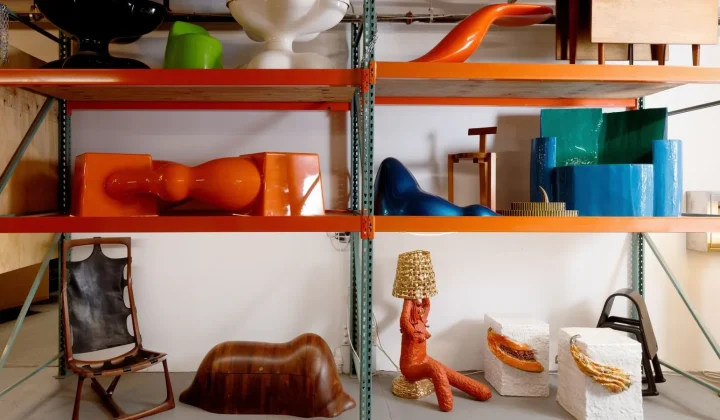
R & Company Opens Its Brooklyn Archive to the Public, Revealing 10 Rare Design Finds
The celebrated design gallery R & Company has opened its 16,000 sq ft storage facility, Building 86, in the Brooklyn Navy Yard…
Read more
SIITUA III to Gather International Researchers on Territory, Urbanism, and Architecture in Lima
The third edition of the International Seminar on Research in Territory, Urbanism, and Architecture (SIITUA III) will take place in Lima, organized…
Read more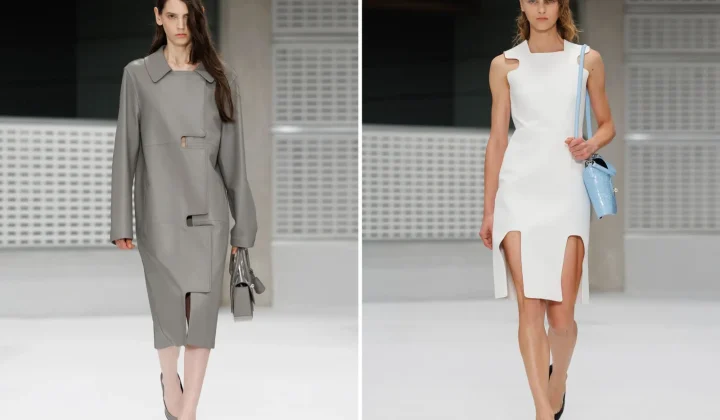
Christopher Kane brings streamlined, heritage-driven vision to Mulberry in London Fashion Week debut
The Scottish designer presented his first collection for the British leather goods house at London Fashion Week, blending sharp tailoring, archival references…
Read more
When Film Directors Become Interior Designers: Guadagnino, Lynch, Anderson and Almodóvar Step Off Screen
From Luca Guadagnino’s Zara Home collection to David Lynch’s Paris club and Wes Anderson’s train carriage, a wave of collaborations is blurring…
Read moreRelated wiki
Adaptive Reuse in Architecture
Reference page for reuse, retrofit, conversion, embodied carbon and design constraints.
Read more