
Planning a Design-Focused Journey Through Belarus
How architecture and design enthusiasts can use a comprehensive travel resource to uncover the built and natural heritage of Belarus.
Sponsored content. This article was prepared as advertising content. The editorial layer keeps the placement transparent and does not treat it as independent news verification.
This is a sponsored article in partnership with Belarus travel guide.
For architects, designers, and urbanists, travel is never just about sightseeing. It is about understanding how a place builds, what materials it chooses, how public space is arranged, and how history layers itself into the present. Belarus offers a compact but remarkably dense landscape of architectural heritage, from Gothic castles and Baroque monastic complexes to the spare modernism of the Soviet era and emerging contemporary projects. The challenge is not a lack of interesting sites, but how to find, connect, and reach them efficiently.
A well-structured travel planner can turn a fragmented list of landmarks into a coherent itinerary. This is where a dedicated resource like the Belarus travel guide becomes useful for the design-minded traveller. Rather than relying on generic booking platforms or scattered blog posts, this guide organizes destinations by route, region, and theme, making it easier to plan a trip that respects both professional curiosity and practical constraints.
Why Structured Travel Planning Matters for Design Professionals
Architecture and design trips often fail because of poor logistics. A stunning cathedral may be two hours from the nearest hotel. A renowned memorial complex might have limited visiting hours. A factory tour that looks promising in a brochure may require advance booking in a language you do not read. These are not trivial obstacles; they are the difference between a rewarding field study and a wasted day.
A centralized travel planner addresses these pain points by providing:
- Curated routes that group sites by geography and theme, reducing travel time between stops.
- Practical details such as opening hours, contact information, and admission policies.
- Contextual descriptions that help you decide whether a site matches your research or design interest.
- Map integration so you can visualize distances and plan overnight stops.
For a country where many architectural gems are located outside the capital, this kind of preparation is essential. Minsk alone cannot represent Belarusian design history; the real texture lies in the regions.
Key Architectural Themes to Explore
Belarus offers at least four distinct architectural layers worth a designer’s attention:
Medieval and Renaissance fortifications
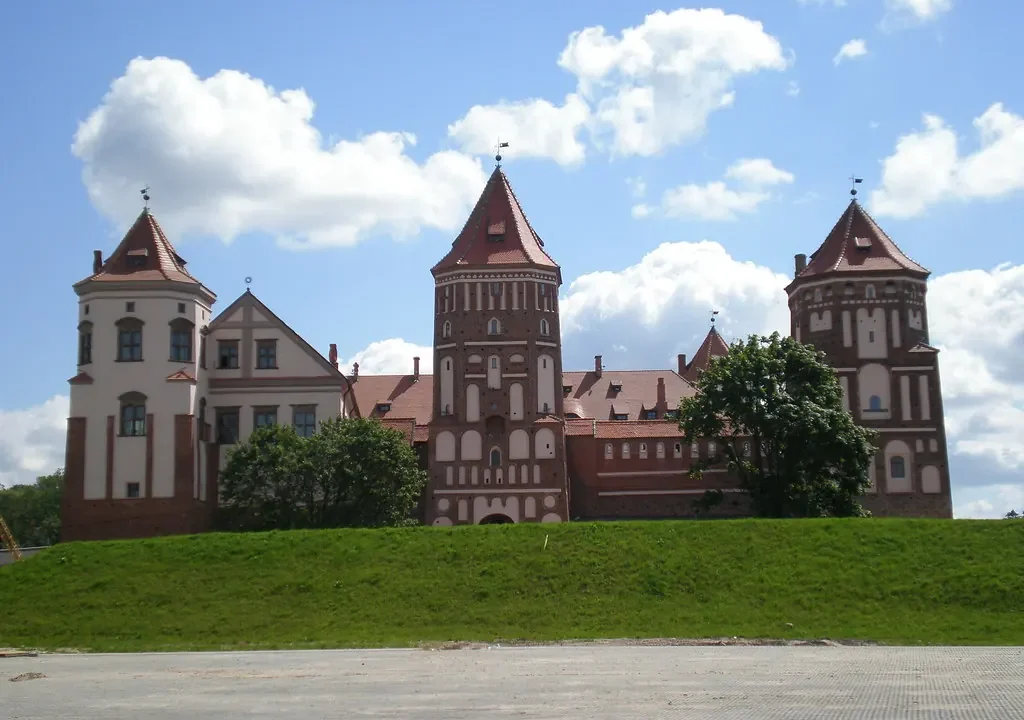
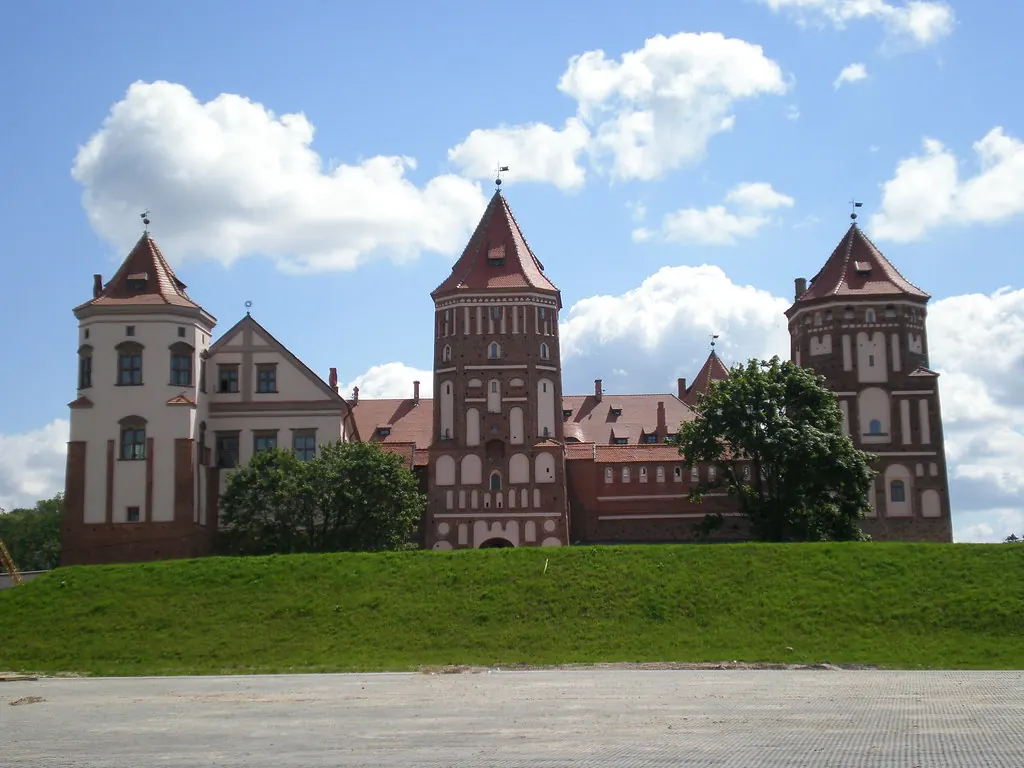
Mir Castle and Nesvizh Castle are UNESCO World Heritage sites, but dozens of smaller fortified churches and manor houses survive across the country. These structures reveal how defensive needs shaped form, from thick brick walls to hidden escape tunnels.
Baroque ecclesiastical complexes
The Jesuit and Bernardine monasteries, often located on lake shores or riverbanks, combine religious iconography with sophisticated Baroque decoration. The work of architects like K. D. Gessky is visible in several restored churches, offering a masterclass in plasterwork and spatial sequencing.
Soviet modernist and post-war reconstruction
Minsk was heavily rebuilt after World War II, resulting in a distinctive Stalinist Empire style along Independence Avenue. Later, the 1970s and 1980s produced bold concrete structures such as the National Library and the Palace of the Republic. These buildings are increasingly studied for their brutalist and late-modernist qualities.
Contemporary adaptive reuse
A growing movement is converting old industrial buildings, mills, and factories into galleries, coworking spaces, and hotels. These projects demonstrate how Belarusian architects are balancing preservation with modern programmatic needs.
Using a Route-Based Approach to Save Time
One of the most practical features of a well-designed travel planner is the ability to follow pre-built routes. Instead of plotting each point individually, you can select a theme—such as religious heritage, castle trail, or industrial tourism—and receive a ready-made sequence of stops.
For example, a two-day route combining the Borisov area with Lake Selyava allows you to see a medieval settlement, a Baroque monastery complex, and a natural recreation zone without backtracking. Another route focuses on food production facilities where you can observe traditional manufacturing processes, a valuable resource for designers working with local materials or artisanal supply chains.
The Belarus travel guide organizes these routes with distance estimates and overnight suggestions, which is especially useful when visiting regions with limited hotel infrastructure.
What to Check Before You Book
Before finalizing any itinerary, consider these practical checks:
| Check | Why it matters |
|---|---|
| Seasonal access | Some sites close or reduce hours from October to April. |
| Language of guided tours | English-language tours are not guaranteed at smaller sites. |
| Photography permissions | Many churches and monasteries prohibit interior photography. |
| Advance booking | Factory tours and some museum visits require prior reservation. |
| Local transport options | Rental car is often the most reliable way to reach rural sites. |
These details are not always available on the site’s main page, but the guide’s listing pages typically include contact links and user notes that help clarify them.
Making the Trip Productive
A design-oriented trip to Belarus does not need to cover every region. Focus on a single theme—say, the Baroque monasteries of the Minsk and Vitebsk regions—and allow time for sketching, photography, and note-taking. The value of such a journey lies not in the number of sites visited, but in the depth of observation at each one.
Use the guide’s map function to identify secondary points of interest along your chosen route, such as local museums, markets, or viewpoints. These unplanned stops often provide the most authentic insights into how a place functions and how its inhabitants interact with the built environment.
This article was produced in partnership with Belarus travel guide. All planning decisions and site evaluations should be verified directly with current opening hours and travel advisories before departure.
Related news

Performing Colonial Toxicity Exhibition in Valencia Examines Architecture’s Role in Nuclear Colonialism
From 24 October to 1 November 2026, Aguas Internacionales in Valencia hosts Samia Henni’s exhibition on French nuclear testing in the Algerian…
Read more
Calm Haven House by ADA Design & Build Offers a Model for Wellness-Focused Residential Design
A new house in Can Tho, Vietnam, designed by ADA Design & Build for a young couple of doctors, demonstrates how residential…
Read more
ToB.Studio’s Timber Bike Station in Burgsinn Echoes a Stacked Log Pile
ToB.Studio has completed a cycling rest station in Burgsinn, Germany, that takes its visual cues from stacked timber logs. The building provides…
Read more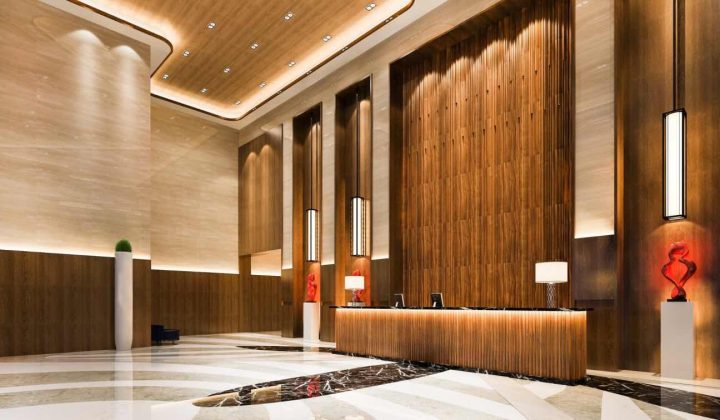
Hospitality Design Trends for 2027 Focus on Flexibility and Real-Use Comfort
From movable furniture and layered lighting to acoustic treatment and textured materials, the seven hospitality design trends for 2027 prioritise how spaces…
Read moreRelated wiki
Adaptive Reuse in Architecture
Reference page for reuse, retrofit, conversion, embodied carbon and design constraints.
Read more