
Modern Architecture Trends Reshape Homes and Cities
Explore how contemporary architectural shifts are emphasizing smarter layouts, sustainable living, and people-centric urban spaces, transforming both residential and city environments.
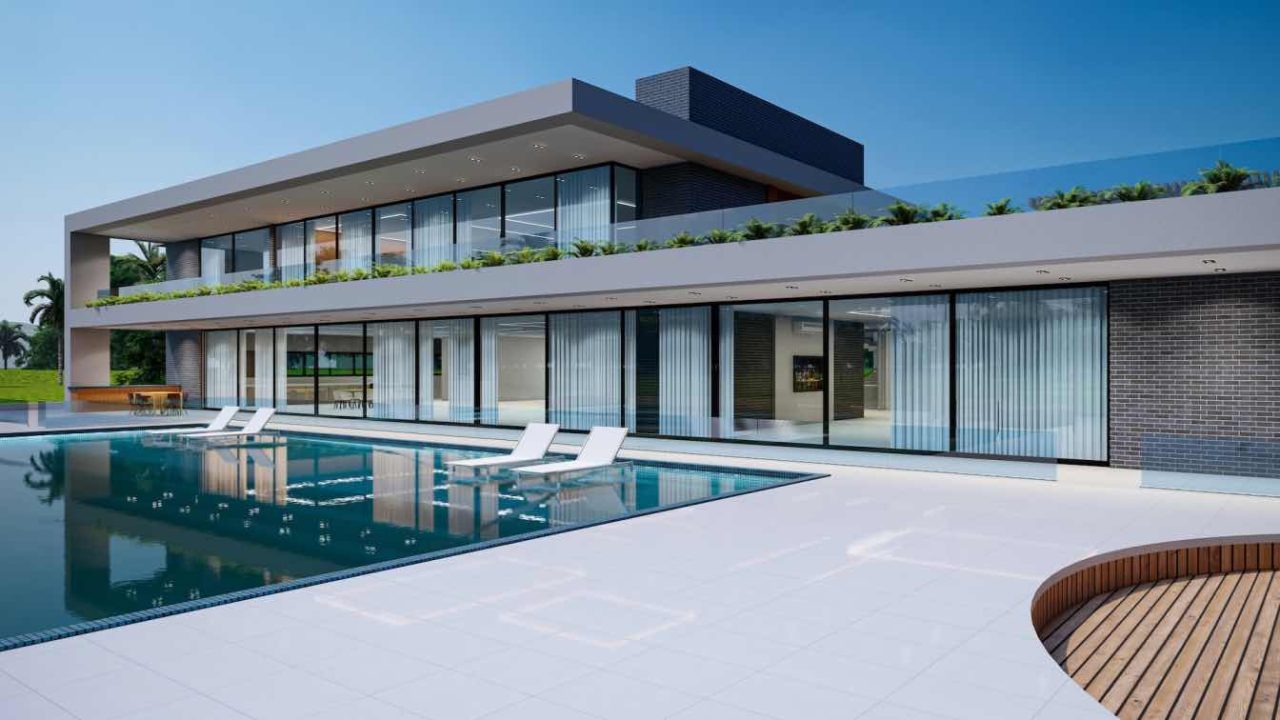
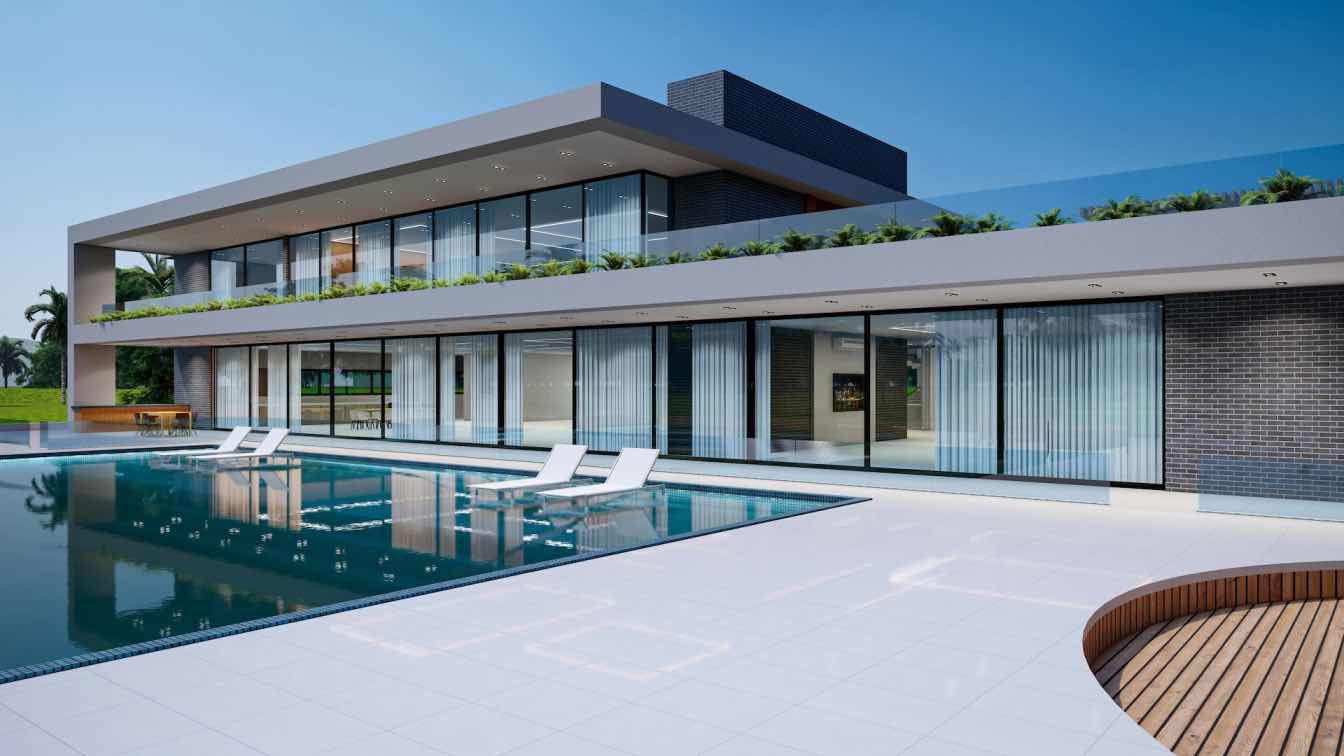
Modern architecture is increasingly defined by a focus on functionality, sustainability, and human well-being, leading to significant transformations in both homes and urban environments. Current trends highlight smarter living spaces, integrated green design, and the development of more walkable, people-focused cities.
The Evolution of Home Design
Contemporary homes are moving beyond the traditional concept of a dwelling to become multi-functional spaces that cater to diverse daily activities. The emphasis is on creating environments that support work, relaxation, family interaction, and personal pursuits. A key trend is the adoption of open-plan layouts, seamlessly connecting living, dining, and kitchen areas. This approach not only enhances the sense of spaciousness but also fosters a more social atmosphere within the home.
Beyond aesthetics, modern homes are designed to be adaptable. Rooms are increasingly conceived with multiple uses in mind, allowing spaces to transform from a home office during the day to a guest room at night. Balconies are evolving into versatile extensions of living areas, serving as tranquil spots for tea, reading nooks, or even mini gardens. This focus on utility and flexibility ensures that every part of the home is both comfortable and purposeful.
Green Design and Sustainability
Sustainable practices are now at the forefront of modern architectural trends. There is a growing preference for homes and buildings that feel fresh, natural, and serene, achieved through thoughtful integration of natural elements. Large windows, open balconies, courtyards, and skylights are employed to maximize natural light, creating warmer and more inviting interiors. This approach aligns with sustainable architecture principles, promoting comfort while minimizing environmental impact.
The incorporation of green spaces, such as green balconies, terrace gardens, and indoor plants, adds a natural touch and enhances the sense of calm. Even small plant installations can significantly improve the ambiance of apartments and urban homes, making them feel more welcoming.
Urban Transformation
Cities are also undergoing a positive architectural evolution, with a greater emphasis on walkability, public spaces, and daily convenience. The concept of mixed-use development is gaining traction, integrating residential units, offices, retail spaces, and public amenities within close proximity. This reduces the need for extensive travel, making daily life more efficient for city dwellers.
The creation of inviting public spaces is crucial to fostering a sense of community and liveliness in urban areas. Parks, shaded seating areas, walking paths, and community gathering spots provide residents with places to relax, socialize, and engage in recreational activities. These thoughtfully designed outdoor areas contribute to a more friendly and accessible urban experience.
Technological Integration
Technology plays an increasingly vital role in modern homes and buildings, aiming to simplify daily life. Smart home systems are being implemented to manage lighting, climate control, security, and other functions, often controllable via mobile applications. These features enhance convenience and efficiency, allowing residents to manage their living environment with minimal effort.
In terms of building design, modern structures often incorporate improved airflow, water-saving fixtures, energy-efficient lighting, and strategic shading. These elements contribute to a balanced building performance and ensure comfortable indoor conditions throughout the year.
Materials and Aesthetics
The selection of materials significantly influences the character of modern architecture. A preference for materials that convey calmness, cleanliness, and durability is evident. Wood adds warmth, stone provides a natural aesthetic, glass maximizes light, and concrete offers a sleek, contemporary finish. The harmonious combination of these materials results in buildings that are both fresh and pleasant.
There is also a growing appreciation for incorporating local materials, which can help buildings connect with their surroundings and retain a sense of place. Modern architectural approaches are reinterpreting traditional materials in new and refined ways, offering a contemporary look with local resonance.
Integrated Interior Design
Modern architecture and interior design are increasingly developed in tandem from the initial stages of a project. This integrated approach ensures that room layouts, furniture selection, lighting, storage solutions, and color palettes work together cohesively to create a complete and comfortable living experience. Simple interiors with clean lines, muted colors, natural textures, and functional furniture are favored for their calming effect and ease of maintenance.
Effective storage is a key consideration, particularly in smaller homes. Modern designs often feature hidden cabinets, wall shelving, under-bed storage, and built-in wardrobes to maintain a neat and organized living space, while also contributing to a sense of openness.
People-Centric Spaces
Ultimately, modern architecture is centered on people, with homes and cities designed to foster family connections, community engagement, and a balanced lifestyle. This involves creating spaces that are useful and enjoyable for all age groups. Many residential communities now include shared amenities such as gardens, lounges, play areas, and walking paths, facilitating natural social interactions.
These shared environments encourage a stronger sense of community, providing children with play spaces, elders with places to rest, and families with areas for collective use. This focus on shared amenities enriches the experience of community living.
Datos clave
| Aspect | Trend | Impact |
|—|—|—|
| Home Design | Open layouts, multi-functional rooms | Enhanced social interaction, adaptability |
| Sustainability | Green design, natural light, plants | Improved well-being, reduced environmental footprint |
| Urban Planning | Walkability, mixed-use development, public spaces | Increased convenience, stronger community ties |
| Technology | Smart home systems, efficient building features | Simplified living, enhanced comfort and control |
These trends are important for Paionia7 readers as they illustrate a global shift towards more human-centered, sustainable, and technologically integrated built environments. Understanding these developments provides insight into the future of housing and urban living, areas of significant interest for professionals and enthusiasts in the architecture and design fields.
Fuente: Amazing Architecture https://amazingarchitecture.com/articles/modern-architecture-trends-how-homes-and-cities-are-changing
Datos clave
| Punto | Detalle |
|---|---|
| Fuente | Amazing Architecture |
| Fecha | 2026-05-27T15:53:12+00:00 |
| Tema | Modern Architecture Trends: How Homes And Cities Are Changing |
Source
Amazing Architecture Original publication: 2026-05-27T15:53:12+00:00
Related news
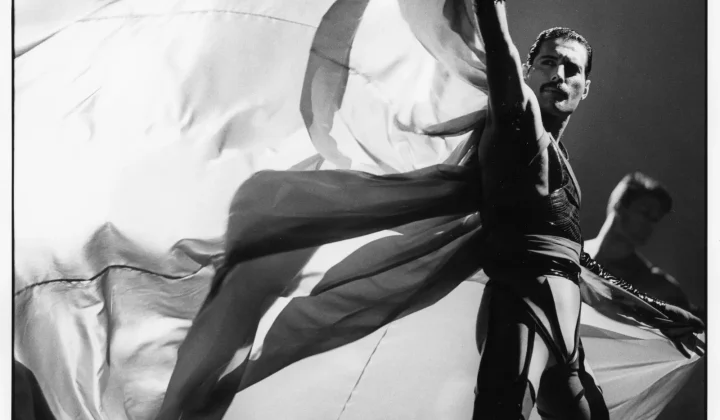
Freddie Mercury’s stage costumes go on display at V&A in free 2026 exhibition
The V&A marks the 80th anniversary of Freddie Mercury’s birth with ‘Splendid Things’, a free exhibition of eight iconic looks lent by…
Read more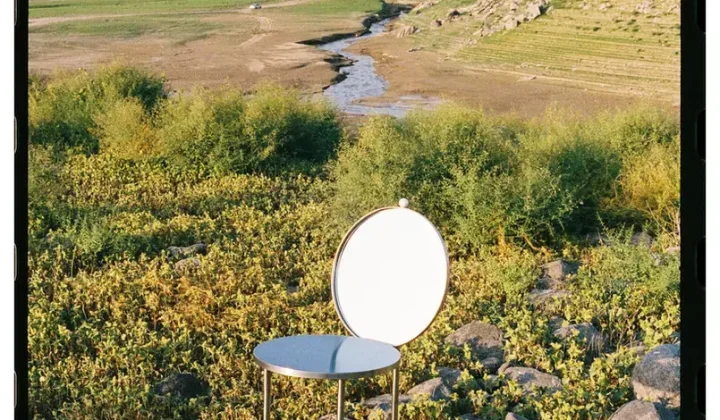
Armenian Designer Shushana Khachatrian Debuts ‘The Woman’s Chair,’ a Deliberately Uncomfortable Reflection on Social Structures
Armenian designer Shushana Khachatrian's 'The Woman's Chair' uses polished stainless steel and a deliberately unstable geometry to question expectations around comfort, posture,…
Read more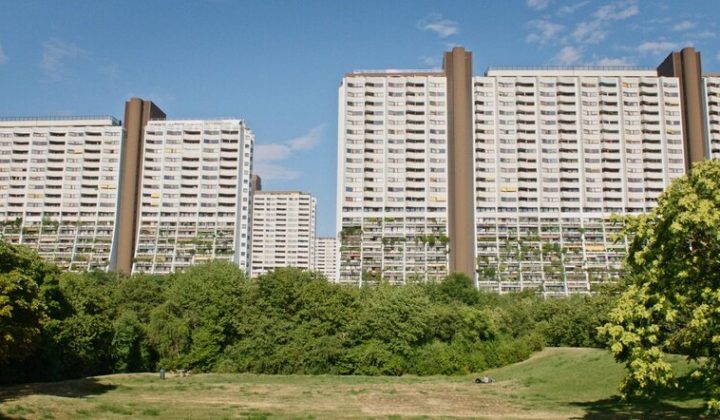
27 Storeys Documentary Revisits Vienna’s Alterlaa and the Utopian Promise of Collective Living
Director Bianca Gleissinger returns to her childhood home in the Alterlaa housing complex to explore how a 1970s social housing project achieved…
Read more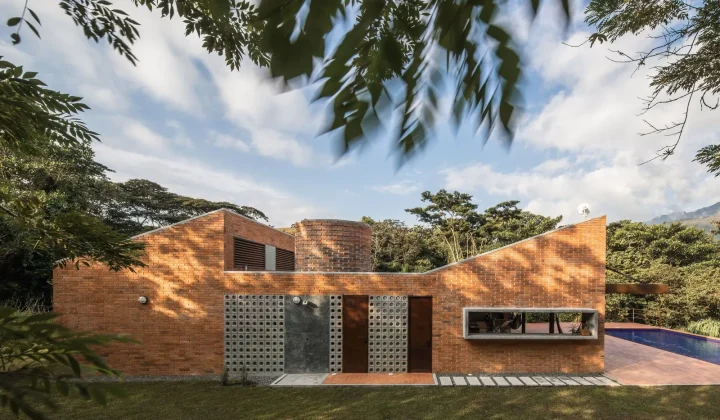
12 Colombian Houses Showcase the Enduring Appeal of Exposed Brick
ArchDaily highlights a dozen Colombian homes that use exposed brick as a structural and aesthetic statement, reflecting the material's deep roots in…
Read moreRelated wiki
Adaptive Reuse in Architecture
Reference page for reuse, retrofit, conversion, embodied carbon and design constraints.
Read more