
DIY Sauna Kits Offer Accessible Home Wellness Design
A guide to building a home sauna using pre-engineered kits, detailing formats, materials, and installation for homeowners seeking a convenient wellness solution.
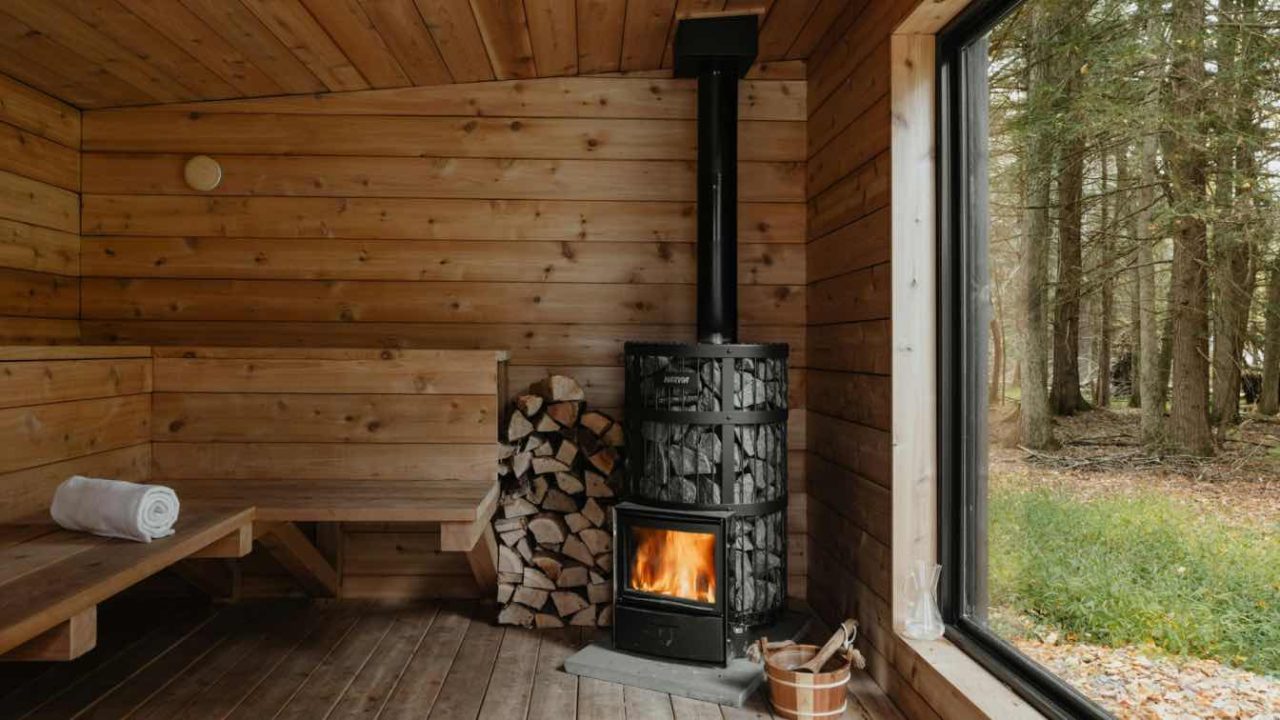
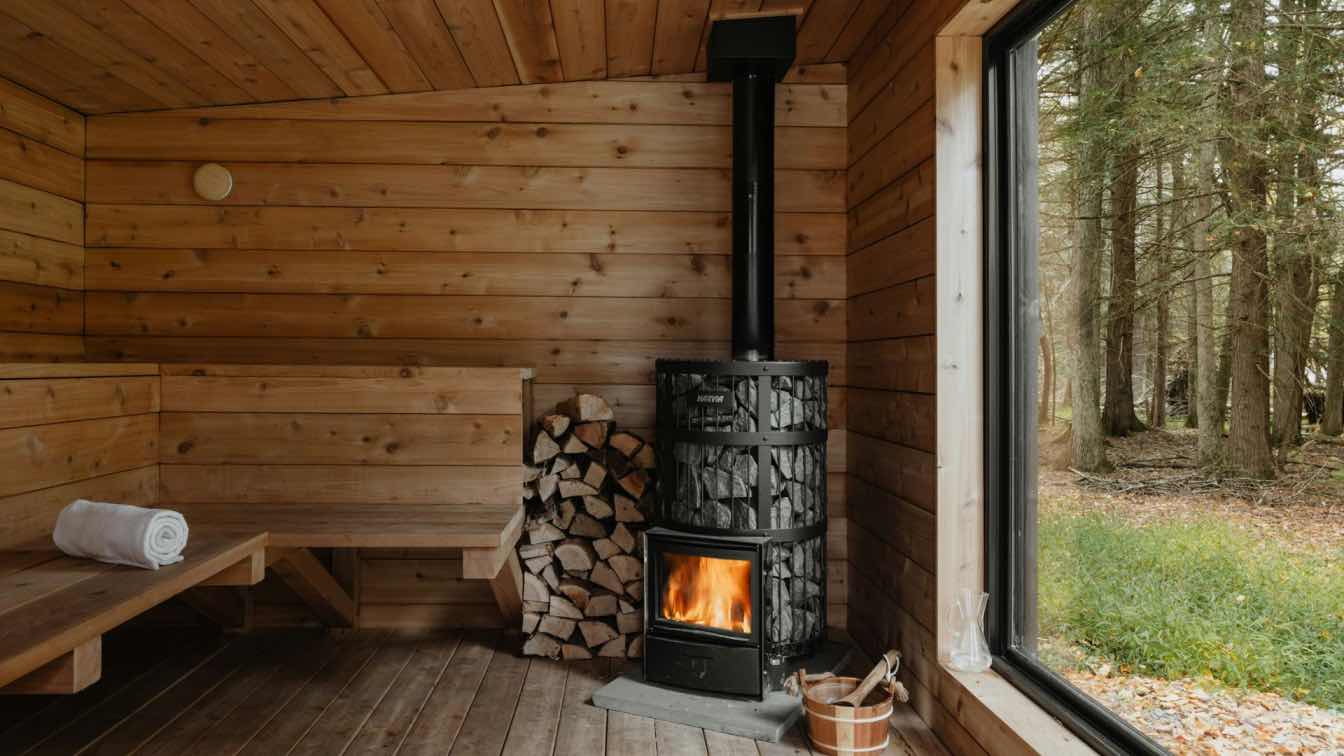
Building a personal sauna at home, once a complex construction project, is now more attainable through the growing availability of DIY sauna kits. These pre-engineered structures offer a streamlined approach, allowing homeowners to enjoy the therapeutic benefits of a sauna without the extensive planning and labor typically associated with custom builds.
The modern DIY sauna kit bypasses the traditional challenges of framing, vapor barriers, and specialized wiring. Instead, these kits provide pre-cut components designed for straightforward assembly, often by two people over a single weekend. This method transforms the idea of a home sauna from a daunting construction endeavor into a project akin to assembling high-end furniture.
Types of Sauna Kits
The initial decision in choosing a DIY sauna kit involves selecting its format and heat source, which influence both aesthetics and the assembly process.
Barrel saunas, with their classic cylindrical shape, are known for heating quickly and efficiently shedding external moisture. Their compact footprint makes them suitable for smaller yards.
Cabin and cube saunas present a more contemporary, squared-off profile that can integrate seamlessly with modern home architecture. These kits often provide greater interior space and flexibility in bench arrangements.
Pod saunas offer a design-forward, rounded silhouette, bridging the gap between the traditional barrel and modern cube designs. They are assembled from a kit but present a distinct architectural object.
Heat Source Options
Sauna kits typically come with either a traditional heating system or an infrared system.
Traditional saunas utilize electric or wood-burning heaters that warm stones. Water can be added to the stones to create steam, known as löyly, offering an authentic sauna experience that requires careful attention to ventilation and heater clearances.
Infrared saunas employ radiant panels that heat the body directly. These systems run at lower temperatures, produce no steam, and generally involve a simpler electrical installation. The choice between traditional and infrared depends on the desired experience, with infrared offering a gentler, drier heat.
Key Considerations for Quality and Installation
When selecting a DIY sauna kit, several factors contribute to its longevity and user satisfaction.
Wood species are crucial for durability in heat and varying weather conditions. High-quality kits often use Canadian white cedar, thermally modified spruce and aspen, or red cedar. Thermally modified woods are particularly resistant to warping.
The heater must be correctly sized for the sauna’s volume, and it’s important to confirm voltage requirements, as many electric heaters necessitate a dedicated 240V circuit. A complete kit should include the structure, benches, door, heater, stones, and all necessary hardware.
Foundation and Placement
A stable, level base is essential for any sauna. Options include concrete pads, pavers, gravel, or a reinforced deck designed to support the sauna’s weight. Proper site preparation prevents structural issues and ensures longevity.
Placement should consider maximizing desirable views, ensuring privacy from neighbors, and proximity to a cold shower or plunge pool for those seeking the complete hot-and-cold thermal contrast.
Permits and Assembly Time
The need for a building permit can vary by municipality and whether the sauna is considered a permanent structure. It is advisable to check local regulations before purchasing a kit.
Most DIY sauna kits are designed for assembly by two people with basic tools, typically taking one to two days to complete. Putting a sauna directly on grass is not recommended due to drainage and stability issues.
Cost and Support
Quality outdoor sauna kits generally start at under $5,000, with prices increasing based on size, wood type, and heater specifications. Beyond the physical components, the manufacturer’s support is a vital aspect. Choosing a specialist retailer that curates reputable brands and offers guidance throughout the assembly process can significantly enhance the ownership experience.
The availability of well-made DIY sauna kits democratizes home wellness design, offering an architecturally intentional structure—be it a barrel, cabin, or pod—that can be integrated into a landscape with significantly less cost and effort than traditional construction.
Datos clave
Format: Barrel, Cabin/Cube, Pod, Infrared Cabin
Heat Source: Electric, Wood-burning, Infrared Panels
Assembly Time: 1-2 days for two people
Foundation: Concrete pad, pavers, gravel, or rated deck
Fuente: Amazing Architecture – https://amazingarchitecture.com/articles/how-to-build-a-sauna-at-home-the-diy-kit-route-without-a-custom-build
Datos clave
| Punto | Detalle |
|---|---|
| Fuente | Amazing Architecture |
| Fecha | 2026-06-05T02:44:59+00:00 |
| Tema | How to Build a Sauna at Home: The DIY Kit Route (Without a Custom Build) |
Source
Amazing Architecture Original publication: 2026-06-05T02:44:59+00:00
Related news

UIA 2026: The Sessions and Themes Architects Should Watch This Week
A careful guide to the themes architects should track around UIA 2026 this week, focused on what can be confirmed, what still…
Read more
GridType Vol. 1 Examines How Digital Tools Reshape Type Design
A new publication from Slanted Publishers presents ten typefaces developed with an experimental online tool, tracing the influence of digital stencils on…
Read more
Ochre Residence by Thought Parallels Draws on Earthy Materials for a Warm Home in Kerala
The Ochre Residence in Kerala, India, by Thought Parallels uses baked terracotta, timber, coconut wood and cane to create a home that…
Read more
Wildcoast Residence by Studio Kennon Negotiates the Harsh Coastal Conditions of the Mornington Peninsula
Studio Kennon’s latest house on the Mornington Peninsula does not fight the wind, salt and rain of Bass Strait – it settles…
Read moreRelated wiki

Adaptive Reuse in Architecture
Reference page for reuse, retrofit, conversion, embodied carbon and design constraints.
Read more