Actiu’s Bioclimatic Headquarters Sets Global Standard for Healthy Industrial Architecture
The Actiu Technology Park in Castalla, Spain, designed by José María Tomás Llavador, has become a global benchmark for healthy industrial architecture, holding both LEED Platinum and WELL Platinum certifications. The campus integrates architecture, landscape, and human well-being, influencing sustainable industrial des
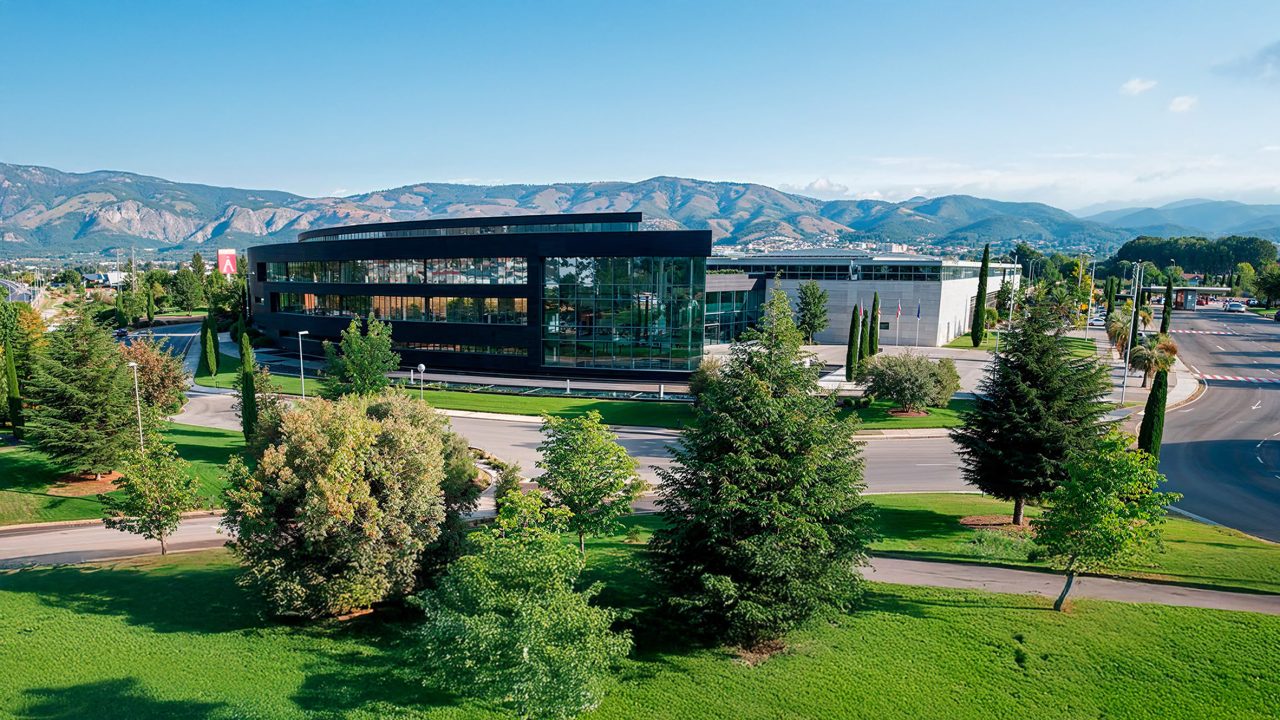
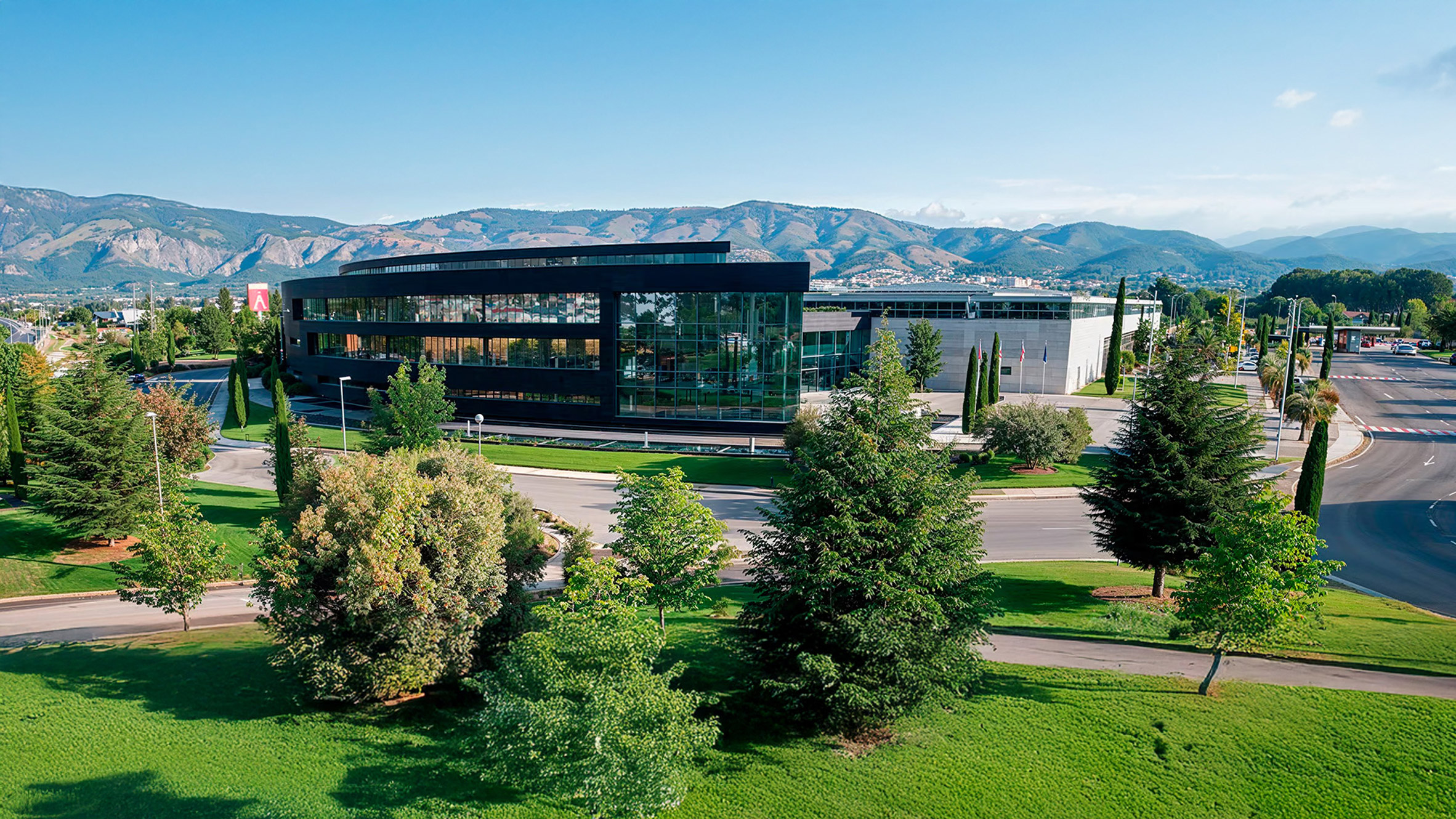
The Actiu Technology Park, the headquarters of the Spanish furniture brand Actiu, located in the mountains of Castalla, Spain, has been recognized internationally as a leading example of healthy industrial architecture. Designed by architect José María Tomás Llavador in 2008, the campus is the only industrial facility globally to achieve both LEED Platinum certification from the US Green Building Council and WELL Platinum certification. This dual recognition underscores its pioneering approach to integrating architecture, landscape, and human health into a cohesive industrial system.
The project, conceived through a collaboration between Llavador and Actiu founder Vicent Berbegal, predates widespread awareness of workplace well-being as a design priority. It demonstrates a long-term commitment to environmental quality, human comfort, and sustainability, principles that continue to evolve and be refined within the facility.
Project Vision and Design Principles
The Actiu Technology Park was envisioned as more than a manufacturing site; it was designed as an integrated ecosystem where production, architecture, landscape, and human well-being coexist. This philosophy guided the initial design by José María Tomás Llavador, who aimed to create an industrial facility that stood apart from the efficiency-focused models prevalent at the time. The campus prioritizes natural light, air quality, visual comfort, and a strong connection between people and nature.
The extensive site divides its functions across distinct buildings. A trio of 13,000-square-meter production buildings is set apart from an 18,000-square-meter logistics building, which in turn connects to a 6,000-square-meter office building. This thoughtful separation helps optimize operational flow while maintaining a clear design language across the campus. Each structure was designed to maximize natural light and incorporate cross-ventilation systems, significantly reducing reliance on mechanical air conditioning. The design also emphasizes visual openness and acoustic comfort, factors crucial for reducing stress, enhancing cognitive performance, and fostering creativity and emotional well-being among employees.
Bioclimatic and Landscape Integration
A cornerstone of the Actiu headquarters’ design is its bioclimatic approach and deep integration with the surrounding landscape. Glazed facades throughout the campus are strategically used to “dissolve the boundaries between indoors and outdoors,” creating a seamless transition. Restorative spaces, interior gardens, and cross-ventilated areas further reinforce this connection between the occupants, the architecture, and the natural environment.
The buildings feature well-insulated thermal envelopes and are equipped with a network of gutter beams designed to collect rainwater. This harvested water is then utilized for irrigating the extensive planting across the site. Over 5,000 native plants, including olive trees, rosemary, lavender, thyme, Aleppo pine, and palm hearts, were planted around the buildings. This not only creates a lush, aesthetically pleasing landscape adapted to the Mediterranean climate but also contributes to the site’s biodiversity and ecological balance. The careful selection of native species minimizes water consumption and maintenance, aligning with the project’s overall sustainability goals.
Sustainability Certifications and Evolution
The Actiu Technology Park’s commitment to sustainability was officially recognized in 2017 with LEED Platinum certification from the US Green Building Council. Two years later, it achieved WELL Platinum certification, making it the only industrial headquarters globally to hold both distinctions. These certifications are not merely static achievements; they reflect an ongoing commitment to improvement and evolution.
According to Actiu director Soledat Berbegal, the Technology Park marked a turning point for the company, transforming sustainability from an aspiration into a tangible reality. The building is described as a “living space” that continues to evolve, reflecting Actiu’s culture and its dedication to people and the environment. This continuous improvement is evidenced by its latest WELL audit in 2024, which saw its score increase from 82 to 90 points. Furthermore, Actiu reinforced its overall ethos last year by becoming a certified B Corp, an external validation of its industrial model that prioritizes energy efficiency, circular economy principles, responsible material use, and the creation of quality employment in its local community. The B Corp certification aligns with Actiu’s belief that design can transform lives and generate lasting positive impact, extending beyond just products and architecture.
Key facts
- Feature: Detail
- Location: Castalla, Spain
- Architect: José María Tomás Llavador
- Completion Year: 2008
- Certifications: LEED Platinum (2017), WELL Platinum (2019)
- Building Area: Production (3x 13,000 sqm), Logistics (18,000 sqm), Office (6,000 sqm)
Impact on Industrial Design and Workplace Well-being
The Actiu headquarters serves as an international benchmark for landscape integration and healthy industrial architecture. It demonstrates that industrial facilities can prioritize environmental quality and human comfort without sacrificing efficiency. By testing these principles within its own headquarters, Actiu has translated scientific research into tangible spatial solutions. This research-led approach has also informed the development of its product lines, such as the Qyos acoustic pods, which are designed as “micro-architectures” to improve concentration and reduce stress through acoustic isolation and sensory comfort.
The project showcases how early adoption of principles like natural light, air quality, visual comfort, and the human-nature relationship can position a facility as a forward-thinking example of healthy industrial architecture. For architects, designers, urban planners, and clients, the Actiu Technology Park provides a compelling case study on how to integrate high-level sustainability certifications with practical, human-centric design. It highlights the long-term benefits of investing in environments that support the well-being of occupants, demonstrating that such an approach is not just an ethical choice but also a strategic one for a brand seeking to operate with purpose and create lasting positive impact.
Source: Dezeen – https://www.dezeen.com/2026/05/19/actiu-technology-park-leed-well-platinum/
Source
Dezeen Original publication: 2026-05-19T20:00:58+00:00
Related news

Handwoven Teak and Cord Outdoor Seating Debuts from Masaya and Abril Zepeda
Nicaraguan furniture brand Masaya has introduced two new handcrafted outdoor chairs — a rocking chair and a lounge chair — designed by…
Read more
Place in Mind: Hendricks Churchill Launches Hospitality Group to Revive Historic Properties
The architecture and interior design studio Hendricks Churchill has launched Place in Mind, a new hospitality group focused on acquiring, restoring, and…
Read more
Adalberto Dias Architects Complete Restoration of Lisbon’s Patriarchal Cathedral and Archaeological Center
The restoration of the Sé de Lisboa by Adalberto Dias Arquitecto integrates a new archaeological center, preserved cloisters, and seven centuries of…
Read more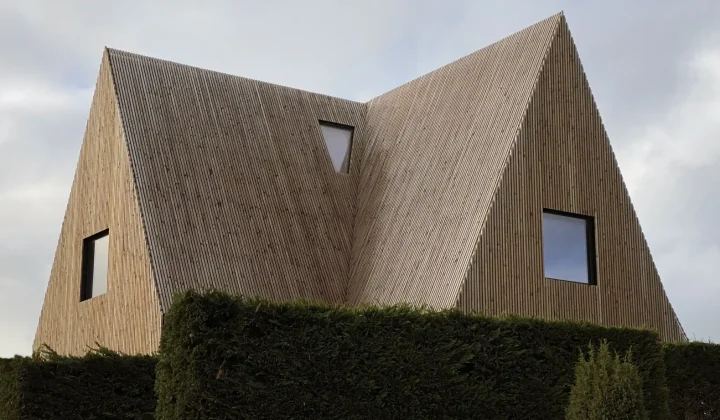
Vantieghem Talebi’s ‘House of Cards’ Brings Timber Geometry to Belgian Family Home
A new family house in Belgium by US- and Swiss-based practice Vantieghem Talebi uses a steeply pitched, card-house-inspired form clad in Douglas-fir…
Read moreRelated wiki
Adaptive Reuse in Architecture
Reference page for reuse, retrofit, conversion, embodied carbon and design constraints.
Read more