
Cake Sheds Face Regulatory Scrutiny as Popular Trend Faces Potential Licensing Hurdles
A beloved British tradition of self-serve cake sheds, providing lucrative home-based businesses, is now under threat from local council regulations that could impose costly licensing requirements.
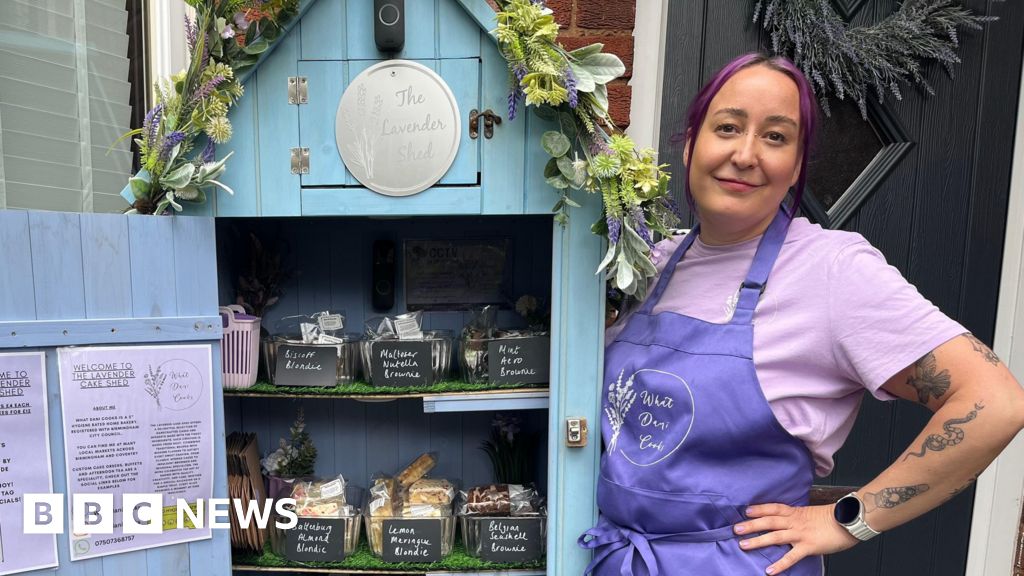
The burgeoning trend of “cake sheds” across the United Kingdom, offering home-baked goods through an honesty box system, is encountering increased scrutiny from local authorities. While these small, often front-garden or roadside structures have become a popular feature, providing lucrative side-hustles and even full-time businesses for many bakers, some councils are now considering stricter licensing rules, potentially threatening the viability of these operations.
A Flourishing Phenomenon
Cake sheds have rapidly gained traction, evolving from a quaint village custom to a widespread feature in both rural and urban landscapes. These self-service units are typically stocked with a variety of homemade treats, from cookies and brownies to traditional cakes, with customers paying via an honor system. The demand has been significant, with online communities for cake shed owners experiencing rapid growth.
For many, these sheds represent a flexible and rewarding entrepreneurial venture. Danielle Edgington, a former catering manager, transformed her cake shed in Birmingham into a full-time business, now earning between £500 to £1,000 weekly. She attributes much of her success to a strong social media presence, particularly on TikTok, which draws customers from neighboring towns. Her shed operates seven days a week, a testament to its popularity.
Similarly, Charley Coleman-Pollard in Milton Keynes started her cake shed as an extension of her existing baking business. The local community has embraced it as a source of weekly treats and a way to support a local enterprise. Coleman-Pollard highlights the flexibility cake sheds offer, particularly for mothers, with many women utilizing them as a primary source of income while managing childcare responsibilities.
Regulatory Hurdles Emerge
Despite the widespread appeal and economic benefits, the future of cake sheds is uncertain due to potential regulatory interventions. Councils are reviewing street trading policies, questioning whether these sheds should be subject to licensing. Under the Local Government (Miscellaneous Provisions) Act, selling goods in a street typically requires a license or consent.
In Nottinghamshire, a number of cake shed owners received notices from Bassettlaw District Council stating they needed a street trading license, with potential fines for non-compliance. Heather Price, owner of The Retford Bakeshed, was among those who received such a notice, expressing surprise and concern over the potential costs, which she believes would make her business unviable. Following community backlash, the council has paused enforcement action while it reviews its policy.
The cost of these licenses is a significant concern. While some owners, like Edgington, might be willing to pay around £1,000 if her business model can sustain it, others fear that the £1,000 to £3,000 range for licenses could be prohibitive for smaller operations.
Community Impact and Future Outlook
The rise of cake sheds has fostered a sense of community and provided accessible, high-quality baked goods. Many customers view visiting their local cake shed as a cherished weekend ritual. The “happy dance” of customers discovering new treats, as described by Heather Price, underscores the joy these small businesses bring.
The situation remains fluid, with many councils still deliberating on how to approach cake sheds. The outcome of these policy reviews will significantly impact the landscape of small-scale food businesses across the UK. Bakers are seeking clarity on their legal obligations, with some already having registered their businesses and obtained food hygiene certifications.
The debate highlights a tension between supporting grassroots entrepreneurship and ensuring public safety and fair trading practices within urban and suburban environments. For now, the sweet future of cake sheds hangs in the balance as regulatory bodies weigh the tradition’s charm against formal business requirements.
Datos clave
| Aspecto | Detalle |
|—|—|
| Tendencia | Sheds de pasteles autoservicio en el Reino Unido |
| Beneficios | Ingresos suplementarios, oportunidades de negocio a tiempo completo |
| Preocupaciones | Posibles requisitos de licencia de comercio callejero |
| Impacto Potencial | Costos elevados de licencia que amenazan la viabilidad |
This development matters for Paionia7 readers as it touches upon the intersection of urban planning, small business innovation, and community-led initiatives. The trend of cake sheds reflects a growing desire for accessible local commerce and flexible work arrangements, often integrated directly into residential environments. The regulatory challenges highlight the evolving nature of urban spaces and the need for adaptable policies that can accommodate new forms of economic activity without compromising existing frameworks.
Fuente: bbc.co.uk – https://www.bbc.com/news/articles/crlpwd2prd0o
Datos clave
| Punto | Detalle |
|---|---|
| Fuente | bbc.co.uk |
| Fecha | 2026-06-06T23:41:06+00:00 |
| Tema | Cake sheds are making bakers £1,000 a week – but the dream might be over |
Source
bbc.co.uk Original publication: 2026-06-06T23:41:06+00:00
Related news

Handwoven Teak and Cord Outdoor Seating Debuts from Masaya and Abril Zepeda
Nicaraguan furniture brand Masaya has introduced two new handcrafted outdoor chairs — a rocking chair and a lounge chair — designed by…
Read more
Place in Mind: Hendricks Churchill Launches Hospitality Group to Revive Historic Properties
The architecture and interior design studio Hendricks Churchill has launched Place in Mind, a new hospitality group focused on acquiring, restoring, and…
Read more
Adalberto Dias Architects Complete Restoration of Lisbon’s Patriarchal Cathedral and Archaeological Center
The restoration of the Sé de Lisboa by Adalberto Dias Arquitecto integrates a new archaeological center, preserved cloisters, and seven centuries of…
Read more
Vantieghem Talebi’s ‘House of Cards’ Brings Timber Geometry to Belgian Family Home
A new family house in Belgium by US- and Swiss-based practice Vantieghem Talebi uses a steeply pitched, card-house-inspired form clad in Douglas-fir…
Read moreRelated wiki

Adaptive Reuse in Architecture
Reference page for reuse, retrofit, conversion, embodied carbon and design constraints.
Read more