
How Climate-Driven Paver Sealing Extends the Life of Outdoor Architecture in Coastal Florida
A new article from Amazing Architecture highlights the critical role of climate-specific paver sealing in preserving outdoor spaces along South Florida’s coast, where salt air, UV exposure, and humidity demand tailored material strategies.
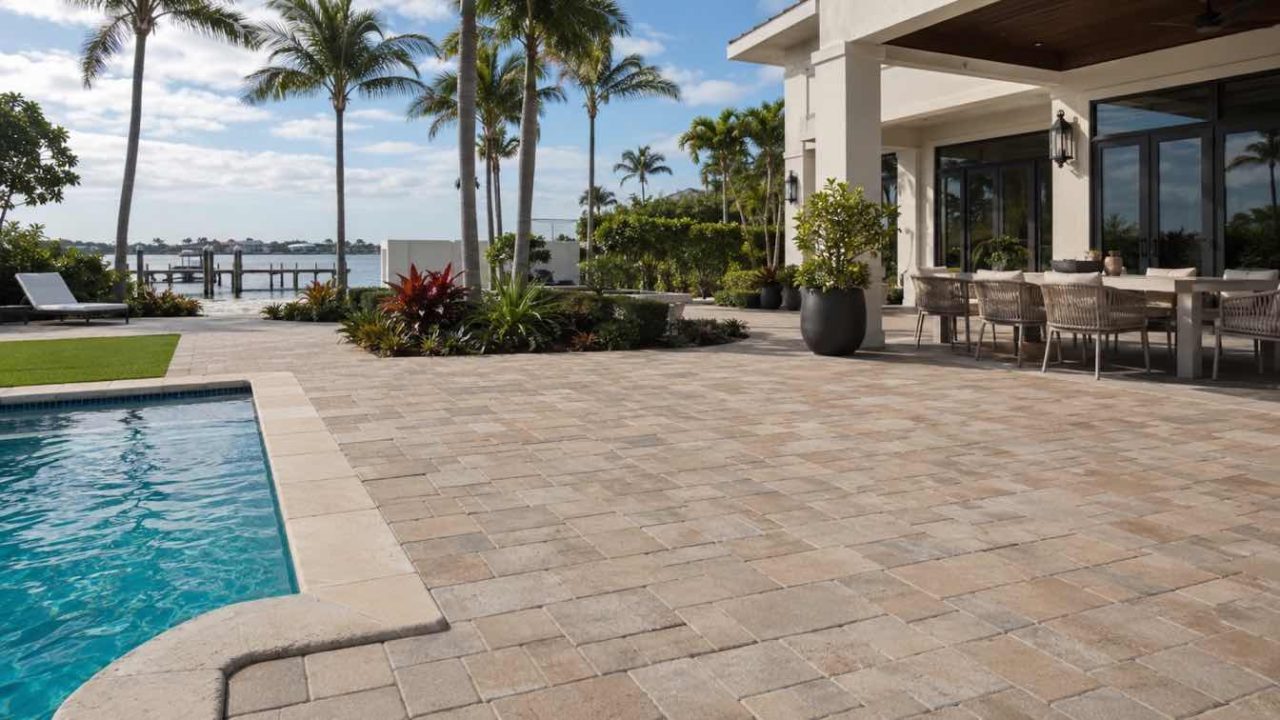
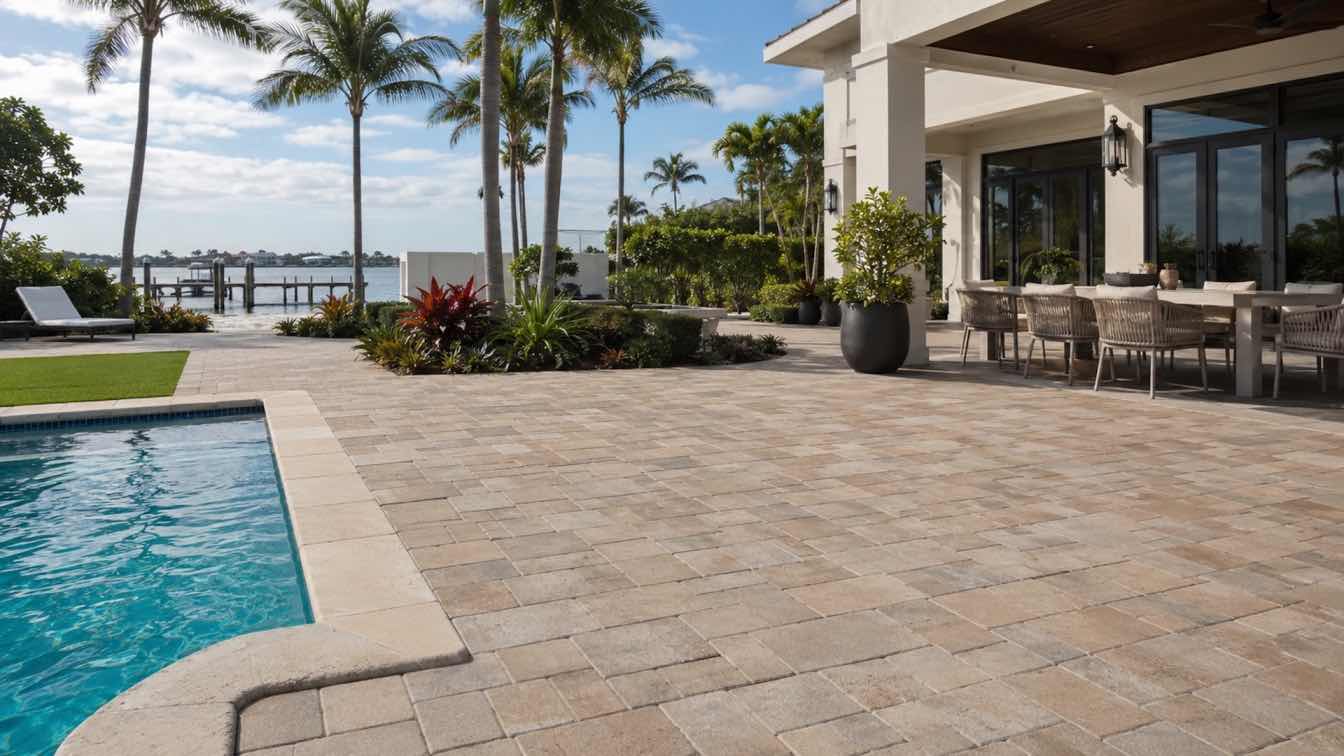
A recent article on Amazing Architecture examines a detail that often escapes the architectural design conversation: the sealing of outdoor pavers in coastal climates. Focusing on Pompano Beach, Florida, the piece argues that the region’s combination of intense UV radiation, salt-laden air, high humidity, and heavy seasonal rain creates a set of stresses that generic sealing products cannot handle.
The article is not a breaking-news report but a technical analysis aimed at architects, landscape designers, and property owners. It points out that in South Florida, outdoor architecture is judged not by its completion-day photographs but by how it looks five years later. Discoloration, efflorescence, mold, and surface breakdown can erase design intent if the sealer chemistry is wrong for the local microclimate.
Why the coastal climate demands a different approach
The article identifies four key environmental stressors that make paver sealing in Pompano Beach distinct from inland or other hot climates:
- UV intensity accelerates the breakdown of standard sealer formulations, leading to yellowing or chalking within months.
- Salt air promotes efflorescence, a white mineral bloom that forms on paver surfaces and can resist standard cleaning.
- Near-constant humidity slows moisture evaporation from paver joints, requiring sealers that are breathable enough to let trapped water escape.
- Heavy, sudden downpours create frequent wet surfaces, raising the need for slip-resistance, especially near pools and open courtyards.
The consequence of using a generic sealer designed for a dry inland climate, the article warns, is rapid failure even if the product performs well in Arizona or California.
Key facts
| Stressor | Effect on pavers | Required sealer property |
|---|---|---|
| UV radiation | Breaks down sealer polymers, causes yellowing | UV-stable acrylic or polyurethane blends |
| Salt air | Triggers efflorescence (white mineral deposits) | Salt-resistant additives |
| Humidity | Traps moisture, invites mold and moss | Breathable, water-based formulations |
| Heavy rain | Creates slippery surfaces near pools and courtyards | Slip-resistance additives |
Timing is as important as the product
A less commonly discussed factor, the article notes, is the timing of the sealer application. Sealing too soon after installation can trap residual moisture, leading to hazing or delamination. Sealing too late allows stains, algae, and UV damage to set in. In Pompano Beach’s humid climate, the ideal curing window between installation and sealing is longer than national guidelines suggest, because moisture evaporates slowly from paver joints.
The article emphasises that this is a common and preventable mistake on coastal projects.
Local expertise is becoming a practical requirement
Because generic sealing advice fails to account for regional variables, the article reports that architects and property owners increasingly rely on local paver sealing professionals in Pompano Beach rather than national contractors. Those who work exclusively in South Florida develop pattern recognition for which sealer brands hold up against the specific salt content, how long to wait after a summer storm, and which paver materials are more prone to efflorescence than manufacturer spec sheets suggest.
The takeaway for the architecture community is that sealing decisions should be treated with the same intentionality as material selection. The article suggests that questions about sealer chemistry, sun exposure, salt proximity, and drainage patterns should enter the design conversation early, not be handed off as a maintenance afterthought.
Implications for architects and designers
For Paionia7’s readership, the article reinforces a broader principle: sustainable design includes how a building or outdoor space ages. In coastal regions, a small technical decision like paver sealing has an outsized impact on long-term appearance and durability. Architects who specify outdoor paving for seaside projects now have a documented case for budgeting more time and expertise into the sealing plan.
The article is based on general industry knowledge rather than a specific study or case, but it provides a useful starting point for anyone working on coastal outdoor architecture. Readers are encouraged to verify product claims with local testing and to consult professionals with regional experience.
Source: Amazing Architecture, “How Climate-Driven Paver Sealing Techniques Are Preserving Outdoor Architecture in Pompano Beach, FL,” published July 24, 2026. https://amazingarchitecture.com/articles/how-climate-driven-paver-sealing-techniques-are-preserving-outdoor-architecture-in-pompano-beach-fl
Source
Amazing Architecture Original publication: 2026-07-24T18:27:47+00:00
Related news
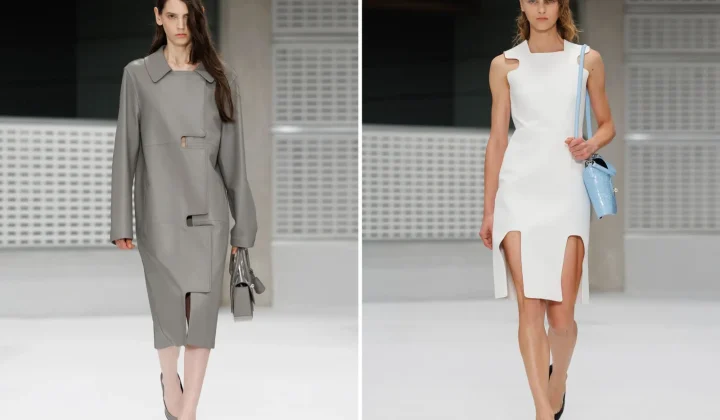
Christopher Kane brings streamlined, heritage-driven vision to Mulberry in London Fashion Week debut
The Scottish designer presented his first collection for the British leather goods house at London Fashion Week, blending sharp tailoring, archival references…
Read more
When Film Directors Become Interior Designers: Guadagnino, Lynch, Anderson and Almodóvar Step Off Screen
From Luca Guadagnino’s Zara Home collection to David Lynch’s Paris club and Wes Anderson’s train carriage, a wave of collaborations is blurring…
Read more
Jesus Mari Lazkano Examines Changing Landscapes Through Painting and Animated Film at Basque Luxury Studio
The Basque artist’s exhibition ‘Azken Natura’ brings together six large-scale paintings and a 22-minute animated film that traces the melting of the…
Read more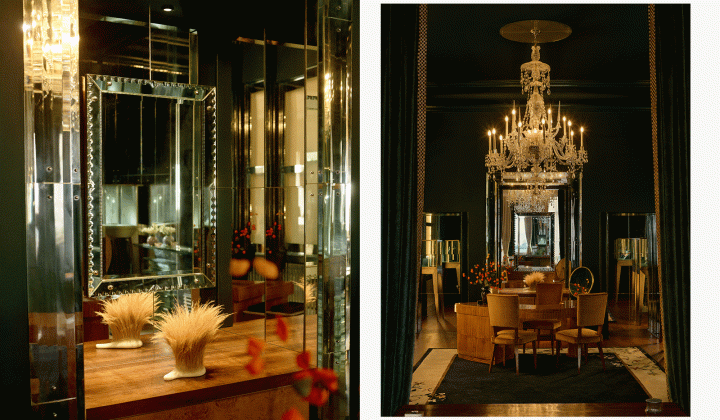
Glenn Spiro opens intimate jewellery atelier in Mayfair with designer Valerie Name Bolaño
The London jewellery house’s new boutique at 26 Bruton Street blends antiques, bespoke furniture and a monochrome palette to create a residential…
Read moreRelated wiki

Adaptive Reuse in Architecture
Reference page for reuse, retrofit, conversion, embodied carbon and design constraints.
Read more