
How to Specify a Commercial-Grade Outdoor Swing Chair That Lasts Beyond Two Years
A procurement expert with 15 years in hospitality furniture sourcing explains why most outdoor swing chairs fail within five years of resort installation and how to avoid the same mistakes.
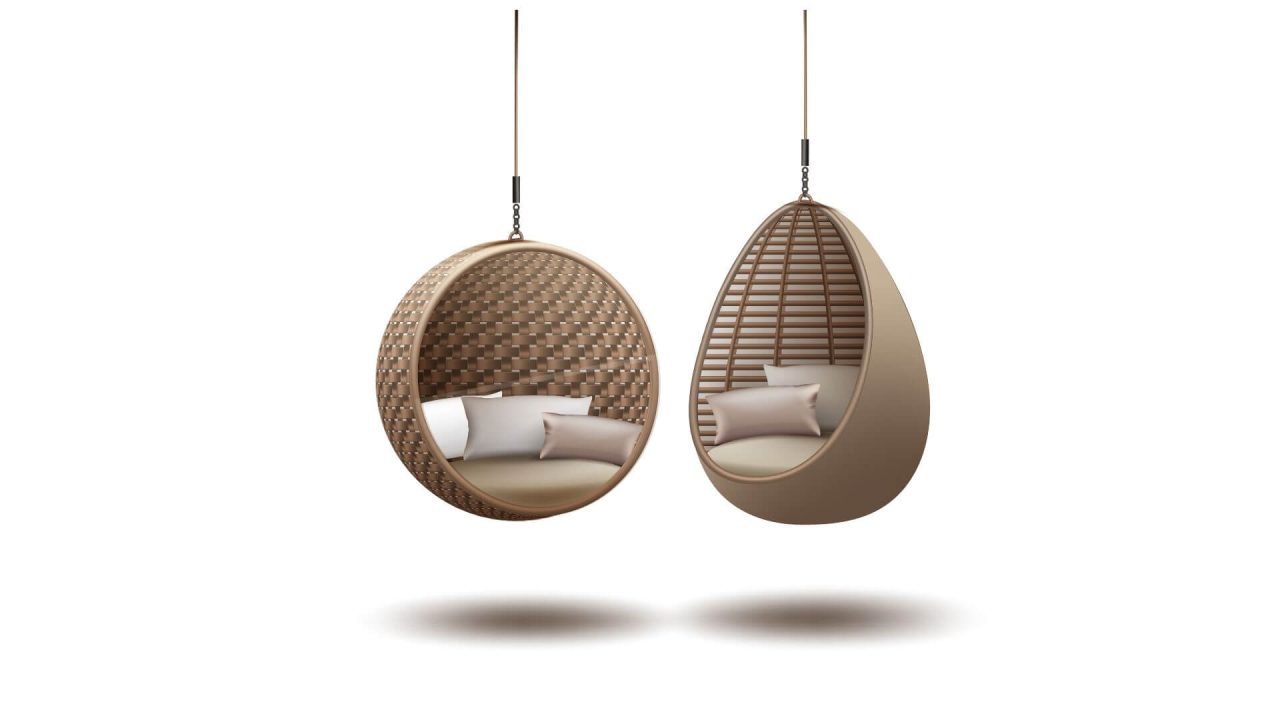
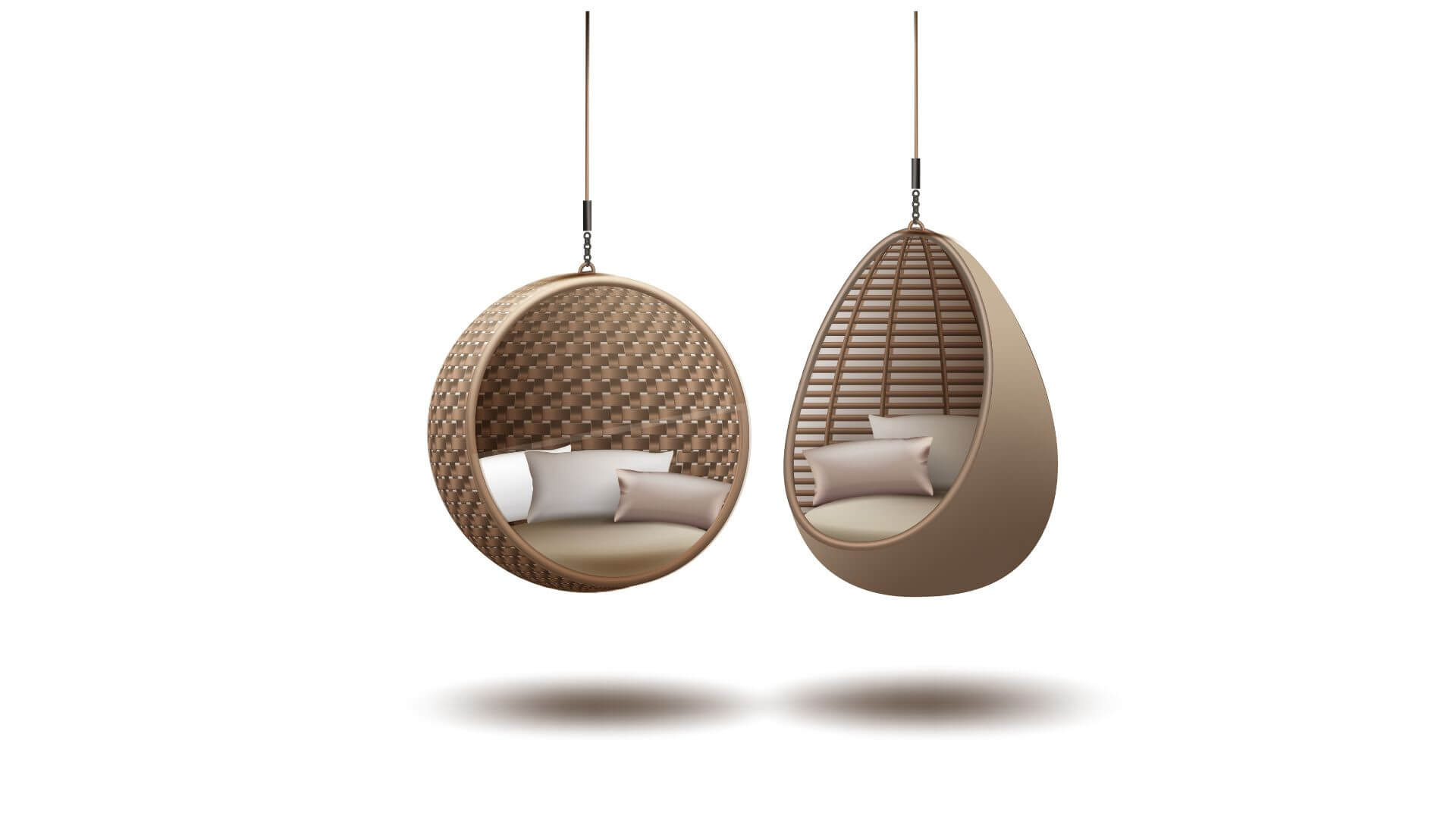
A procurement expert with more than 15 years advising hospitality groups, resort developers and furniture distributors on outdoor furniture has published a practical guide on specifying commercial-grade outdoor swing chairs that survive resort use. The article, hosted on Amazing Architecture, identifies the most common procurement mistakes and offers concrete benchmarks for evaluating products and manufacturers.
The guide argues that outdoor swing chairs fail faster than other outdoor furniture categories because of their unique structural demands. Unlike dining chairs or loungers, swing chairs carry dynamic rather than static load. Continuous motion puts repeated stress on suspension points, frame joints and woven sections. Swing chairs are also typically placed in visually prominent areas such as lobby gardens, overwater villas and beach clubs, meaning visible wear is noticed sooner. They combine multiple material systems — frame, rope or rattan weave, suspension system and cushioning — each with its own failure mode.
Por que importa
Key facts
| Factor | Residential-grade | Commercial-grade |
|---|---|---|
| Frame material | Lightweight aluminum or steel | Marine-grade or powder-coated aluminum, hot-dip galvanized steel |
| Weight rating | Static capacity only | Safety margin above expected use to account for swing motion stress |
| Rope or weave | Uncoated natural fiber | UV-stabilized polyethylene or synthetic fiber |
| Corrosion resistance | Basic | Salt spray tested for coastal and poolside environments |
| Hardware | Standard steel | Stainless steel fixings, marine-rated chain or rope suspension |
The single most common procurement mistake, according to the expert, is unknowingly specifying residential-grade products for commercial use. Sourcing platforms do not always disclose grades clearly, sample units can look identical to commercial units, and price comparisons are often made without normalizing for spec differences. The result is a swing chair engineered for a homeowner who uses it a few hours a week, not a resort that runs it daily under commercial insurance and liability requirements.
No single global certification governs outdoor furniture the way fire-rated hospitality upholstery is regulated in some markets. Instead, experienced buyers rely on a consistent set of practical benchmarks. These include frame material and gauge suited to sustained dynamic load, UV-stabilized synthetic materials for rope or wicker-style weaves, corrosion resistance appropriate to the environment, marine-rated hardware, and quick-dry foam and solution-dyed water-resistant outdoor fabric for cushions.
Contexto
The guide also distinguishes between OEM and ODM manufacturing. OEM means the factory produces furniture to the buyer’s design and specification, which suits hospitality brands or interior designers with a defined aesthetic. ODM means the factory’s own design and engineering team develops the product, sometimes with customization based on the buyer’s brief, which is more common for smaller hotel groups or distributors without in-house furniture design capability. A capable commercial manufacturer typically offers both, and a knowledgeable procurement manager should ask upfront which model fits the project because it changes lead times, minimum order quantities and cost structure.
For furniture wholesalers and outdoor furniture brands building their own catalog, private label manufacturing is a related consideration. Here the buyer relies on the factory to produce consistent quality across repeat runs without direct daily oversight. The factory’s internal quality control process, not just its first sample, becomes the real differentiator.
Why this matters for Paionia7 readers
Architects, interior designers and hospitality procurement professionals specifying outdoor furniture for hotels, resorts and public spaces need practical criteria that go beyond catalog aesthetics. The guide provides a framework for evaluating products at the specification stage rather than after installation when replacement costs and guest complaints have already accumulated. It also clarifies the manufacturing models that determine how much control a buyer has over the final product.
Source: Amazing Architecture, “How to Choose a Commercial-Grade Outdoor Swing Chair (Without Regretting It in Two Years)”, https://amazingarchitecture.com/articles/how-to-choose-a-commercial-grade-outdoor-swing-chair-without-regretting-it-in-two-years
Source
Amazing Architecture Original publication: 2026-08-25T18:18:38+00:00
Related news

Freddie Mercury’s stage costumes go on display at V&A in free 2026 exhibition
The V&A marks the 80th anniversary of Freddie Mercury’s birth with ‘Splendid Things’, a free exhibition of eight iconic looks lent by…
Read more
Armenian Designer Shushana Khachatrian Debuts ‘The Woman’s Chair,’ a Deliberately Uncomfortable Reflection on Social Structures
Armenian designer Shushana Khachatrian's 'The Woman's Chair' uses polished stainless steel and a deliberately unstable geometry to question expectations around comfort, posture,…
Read more
27 Storeys Documentary Revisits Vienna’s Alterlaa and the Utopian Promise of Collective Living
Director Bianca Gleissinger returns to her childhood home in the Alterlaa housing complex to explore how a 1970s social housing project achieved…
Read more
12 Colombian Houses Showcase the Enduring Appeal of Exposed Brick
ArchDaily highlights a dozen Colombian homes that use exposed brick as a structural and aesthetic statement, reflecting the material's deep roots in…
Read moreRelated wiki

Adaptive Reuse in Architecture
Reference page for reuse, retrofit, conversion, embodied carbon and design constraints.
Read more