
Congress Enacts Landmark Bipartisan Housing Package to Boost Supply
The 21st Century ROAD to Housing Act, the largest federal housing bill in 36 years, aims to increase the national housing supply, curb institutional ownership of single-family homes, and accelerate reconstruction efforts.
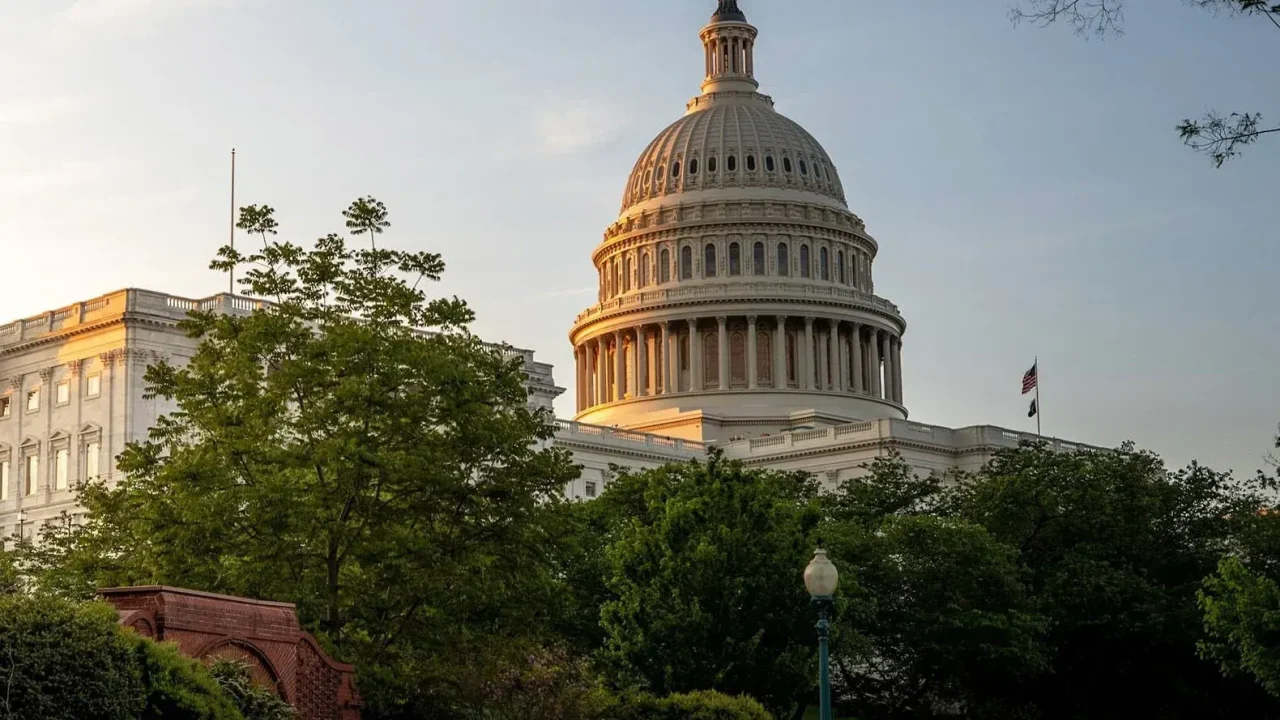

Congress has enacted the 21st Century ROAD to Housing Act, a comprehensive and bipartisan legislative package designed to significantly increase the national housing supply and address the ongoing affordability crisis. This landmark bill, described as the largest federal housing legislation in 36 years, sets forth a range of policies aimed at accelerating construction, regulating institutional investment in single-family homes, and bolstering support for communities recovering from disasters.
The act, officially enacted on July 11, introduces several key provisions. A significant measure limits the amount of single-family homes that institutional investors, such as hedge funds and private equity groups, can own. This aims to curb the trend of large corporations acquiring homes, which has been cited as a contributing factor to rising housing costs and reduced availability for individual buyers.
Boosting Manufactured Homes
A notable change within the legislation is the removal of the chassis requirement for manufactured homes. This alteration is expected to expedite the construction process for these housing types, potentially saving consumers up to $10,000 per unit and opening up new design possibilities.
Strengthening Existing Programs
The package also reinforces existing federal programs aimed at housing development and reconstruction. The Community Development Block Grant and HOME programs will be strengthened to accelerate reconstruction efforts in areas affected by natural disasters. Additionally, the Rural Housing Service Reform Act is poised to spur affordable housing development in rural areas.
Advocacy and Political Landscape
The American Institute of Architects (AIA) has been a proponent of the bill, lobbying for its passage since its introduction in 2025. AIA 2025 president Illya Azaroff stated that the law is a “important step toward” addressing the affordability challenges many Americans face. The AIA has pledged to continue working with policymakers to ensure the reforms translate into tangible housing solutions.
The journey to enactment was complex, involving extensive negotiation between the House and the Senate. The bill was initially approved by the Senate in March and subsequently went through revisions. A veto-proof version passed the Senate on June 22 with an 85-5 vote, followed by House approval on June 23 with a 358-32 vote. Notably, President Trump did not sign the bill, with reports suggesting alleged pressure to pass other legislation.
Key amendments incorporated into the final package include provisions to lift the HUD’s Rental Assistance Demonstration program cap by 100,000 units, while the restrictions on institutional investors’ single-family home purchases remained intact. The legislation also introduces a new “renter outreach resource” for tenants residing in properties owned by institutional investors.
Encouraging Adaptive Reuse and Streamlining Development
The housing package also includes provisions to encourage adaptive reuse projects, facilitating the conversion of vacant and abandoned buildings into affordable housing. Furthermore, it contains language intended to help developers navigate environmental review processes, zoning, and land use policies, potentially streamlining the development pipeline.
Mixed Reactions and Future Outlook
While many commend the bill’s passage, some organizations, like the National Housing Law Project (NHLP), believe it could go further to assist low-income families, particularly those in public housing. NHLP advocates for additional legislation to protect and empower tenants in public housing, emphasizing the need for a comprehensive government approach to the housing crisis.
Key facts
| Provision | Description | Impact |
|—|—|—|
| Institutional Investor Cap | Limits ownership of single-family homes by large investors. | Aims to increase availability for individual buyers and potentially stabilize prices. |
| Manufactured Home Reforms | Removes chassis requirement for manufactured homes. | Expected to speed up construction and reduce costs, offering more housing options. |
| Program Strengthened | Enhances Community Development Block Grant and HOME programs. | Accelerates reconstruction in disaster-stricken areas. |
| Rural Housing Initiative | Introduces the Rural Housing Service Reform Act. | Aims to spur affordable housing development in rural communities. |
This legislation represents a significant federal intervention in the housing market, with potential implications for developers, investors, and the availability of affordable housing across the nation. The AIA’s continued involvement suggests a focus on translating these policy changes into practical architectural and development outcomes.
Source: The Architect’s Newspaper, https://www.archpaper.com/2026/07/road-to-housing-act-2/
Datos clave
| Punto | Detalle |
|---|---|
| Fuente | The Architect's Newspaper |
| Fecha | 2026-07-13T20:09:34+00:00 |
| Tema | Congress enacts landmark, bipartisan housing package |
Source
The Architect's Newspaper Original publication: 2026-07-13T20:09:34+00:00
Related news

HONG Designworks Completes Private Office in Xi’an That Balances Memory, Materiality, and Long-Term Use
The Xi’an office by HONG Designworks integrates a folded steel staircase, retained furniture from a previous workspace, and a restrained purple-gray palette…
Read more
Handwoven Teak and Cord Outdoor Seating Debuts from Masaya and Abril Zepeda
Nicaraguan furniture brand Masaya has introduced two new handcrafted outdoor chairs — a rocking chair and a lounge chair — designed by…
Read more
Place in Mind: Hendricks Churchill Launches Hospitality Group to Revive Historic Properties
The architecture and interior design studio Hendricks Churchill has launched Place in Mind, a new hospitality group focused on acquiring, restoring, and…
Read more
Adalberto Dias Architects Complete Restoration of Lisbon’s Patriarchal Cathedral and Archaeological Center
The restoration of the Sé de Lisboa by Adalberto Dias Arquitecto integrates a new archaeological center, preserved cloisters, and seven centuries of…
Read moreRelated wiki

Adaptive Reuse in Architecture
Reference page for reuse, retrofit, conversion, embodied carbon and design constraints.
Read more