The Evolving Role of Digital Platforms in Architectural Visualization and Project Marketing
Digital platforms are reshaping how architectural projects are visualized, marketed, and experienced, offering new avenues for engagement and reach. This sponsored content explores these evolving dynamics.

The architectural world, traditionally rooted in physical models and static drawings, is undergoing a profound transformation driven by digital platforms. These online environments are not just changing how architects design and present their work, but also how projects are marketed, how clients engage, and how the public perceives built environments. This sponsored content delves into the evolving role of digital platforms in architectural visualization and project marketing, highlighting their growing importance and diverse applications.
The Rise of Immersive Visualization
Gone are the days when blueprints and simple 3D renders were sufficient. Today, clients and stakeholders demand more immersive and interactive experiences. Digital platforms facilitate this shift by enabling:
- Real-time Rendering and Walkthroughs: Advanced rendering engines integrated into online platforms allow for real-time exploration of architectural spaces. This means clients can virtually “walk through” a proposed building, experiencing its scale, light, and materiality before construction even begins. This level of immersion fosters a deeper understanding and appreciation of the design.
- Virtual and Augmented Reality (VR/AR): Platforms are increasingly supporting VR and AR applications, taking visualization to the next level. VR headsets can transport users directly into a virtual building, offering a profound sense of presence. AR, on the other hand, overlays digital models onto real-world environments, allowing designers to visualize how a proposed structure would fit into its actual site.
- Interactive 3D Models: Beyond simple walkthroughs, interactive 3D models allow users to manipulate design elements, change materials, adjust lighting, and even reconfigure layouts. This empowers clients to actively participate in the design process, leading to more personalized and satisfying outcomes.
These immersive tools go beyond mere aesthetics; they are powerful communication instruments that bridge the gap between abstract architectural concepts and tangible experience.
Digital Platforms as Marketing Powerhouses
The marketing of architectural projects has also been revolutionized by digital platforms. Traditional brochures and presentations, while still relevant, are now complemented and often surpassed by dynamic online strategies.
- Global Reach and Accessibility: Digital platforms offer unparalleled reach, allowing architectural firms to showcase their work to a global audience without geographical limitations. This is particularly crucial for international projects or firms seeking to expand their client base.
- Targeted Marketing and Analytics: Sophisticated analytics tools embedded in digital platforms allow firms to understand their audience better, track engagement, and tailor their marketing efforts. This precision helps in reaching the right clients with the right message, optimizing marketing spend and effectiveness.
- Content-Rich Storytelling: Platforms enable architects to tell compelling stories about their projects through a combination of high-definition imagery, video tours, client testimonials, and detailed project narratives. This rich content fosters an emotional connection with potential clients and stakeholders.
- Social Media Integration: The ubiquitous nature of social media means that architectural projects can gain significant traction through sharing and discussion on various platforms. This organic reach supplements traditional marketing and builds brand awareness.
The Impact on Client Engagement and Collaboration
Digital platforms are fostering a more collaborative and transparent design process. Clients are no longer passive recipients of designs but active participants.
- Streamlined Feedback Loops: Online collaboration tools allow clients to provide feedback directly on digital models or visualizations, reducing miscommunication and speeding up revisions. This iterative process leads to more efficient project delivery.
- Accessibility to Project Information: Secure client portals on digital platforms provide 24/7 access to project documents, schedules, and progress reports. This transparency builds trust and keeps all parties informed.
- Enhanced Decision-Making: By presenting complex architectural information in an easily digestible and interactive format, digital platforms empower clients to make more informed decisions, leading to fewer surprises and more predictable outcomes.
The Broader Digital Ecosystem
The capabilities of modern digital platforms extend far beyond just visualization and marketing. They form part of a broader digital ecosystem that supports various aspects of contemporary life and business. For instance, just as architectural firms leverage digital tools for sophisticated project showcases, other industries also utilize robust online environments for engaging users and offering diverse services. A prime example is the world of online entertainment, where platforms like Powerup casino offer a wide array of games and interactive experiences, accessible through a user-friendly digital interface. This demonstrates a shared trend across sectors: the increasing reliance on powerful online platforms to deliver rich, engaging, and accessible experiences to their respective audiences.
Key Advantages of Digital Platforms in Architecture
| Feature | Traditional Approach | Digital Platform Approach |
|---|---|---|
| Visualization | Static renders, physical models | Interactive 3D, VR/AR walkthroughs |
| Reach | Local, limited by physical presence | Global, unlimited online accessibility |
| Client Engagement | Passive, formal presentations | Active, collaborative, real-time feedback |
| Marketing Efficiency | Broad, less targeted | Targeted, data-driven, measurable |
| Cost & Time | High for physical models, slow revisions | Reduced production costs, faster iterations |
The Future is Digital
As technology continues to advance, the role of digital platforms in architecture will only grow more sophisticated. We can anticipate even more intuitive user interfaces, deeper integration with AI for design optimization, and further blurring of the lines between virtual and physical realities. For architectural practices aiming to stay competitive and relevant, embracing these digital tools is not just an option, but a necessity. They offer unprecedented opportunities to innovate, communicate, and deliver exceptional architectural experiences in an increasingly connected world.
Related news
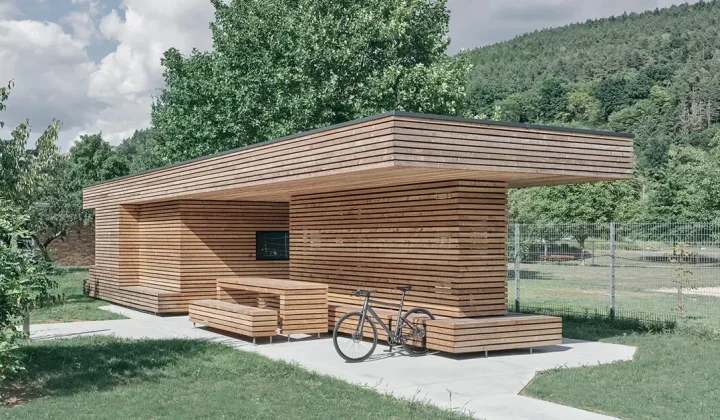
ToB.Studio’s Timber Bike Station in Burgsinn Echoes a Stacked Log Pile
ToB.Studio has completed a cycling rest station in Burgsinn, Germany, that takes its visual cues from stacked timber logs. The building provides…
Read more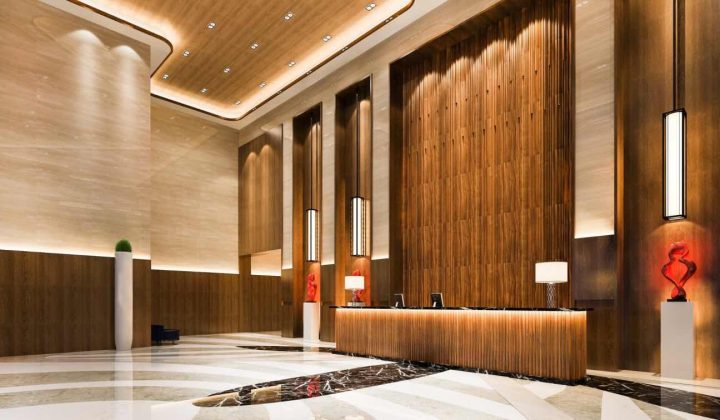
Hospitality Design Trends for 2027 Focus on Flexibility and Real-Use Comfort
From movable furniture and layered lighting to acoustic treatment and textured materials, the seven hospitality design trends for 2027 prioritise how spaces…
Read more
Futurewave’s Arc Silver Bracelet Uses a Gentle Vibration to Curb Phone Overuse
The Belgian design studio’s Arc bracelet offers a tactile nudge when screen time exceeds a set limit, with no display, notifications, or…
Read more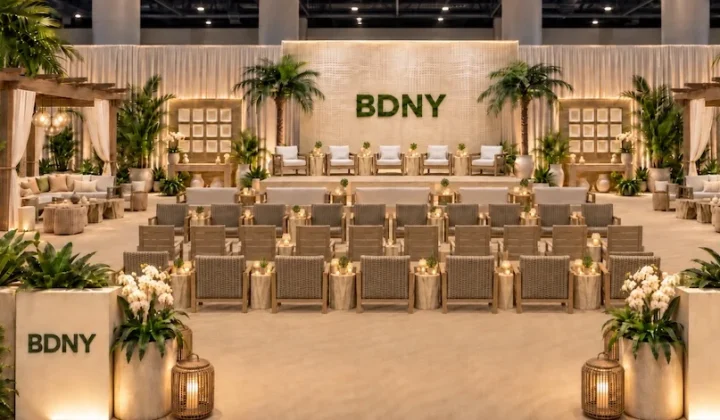
BDNY 2026 returns to New York with immersive installations and global hospitality design focus
Boutique Design New York (BDNY) returns to the Jacob K. Javits Center on November 8–9, 2026, featuring over 700 brands, immersive Designed…
Read moreRelated wiki
Adaptive Reuse in Architecture
Reference page for reuse, retrofit, conversion, embodied carbon and design constraints.
Read more