
Funding Blueprint: Navigating Financing for Dream Architecture Projects
A comprehensive guide to understanding construction finance, budgeting, and expert tips for securing the right funding strategy for custom architectural endeavors.
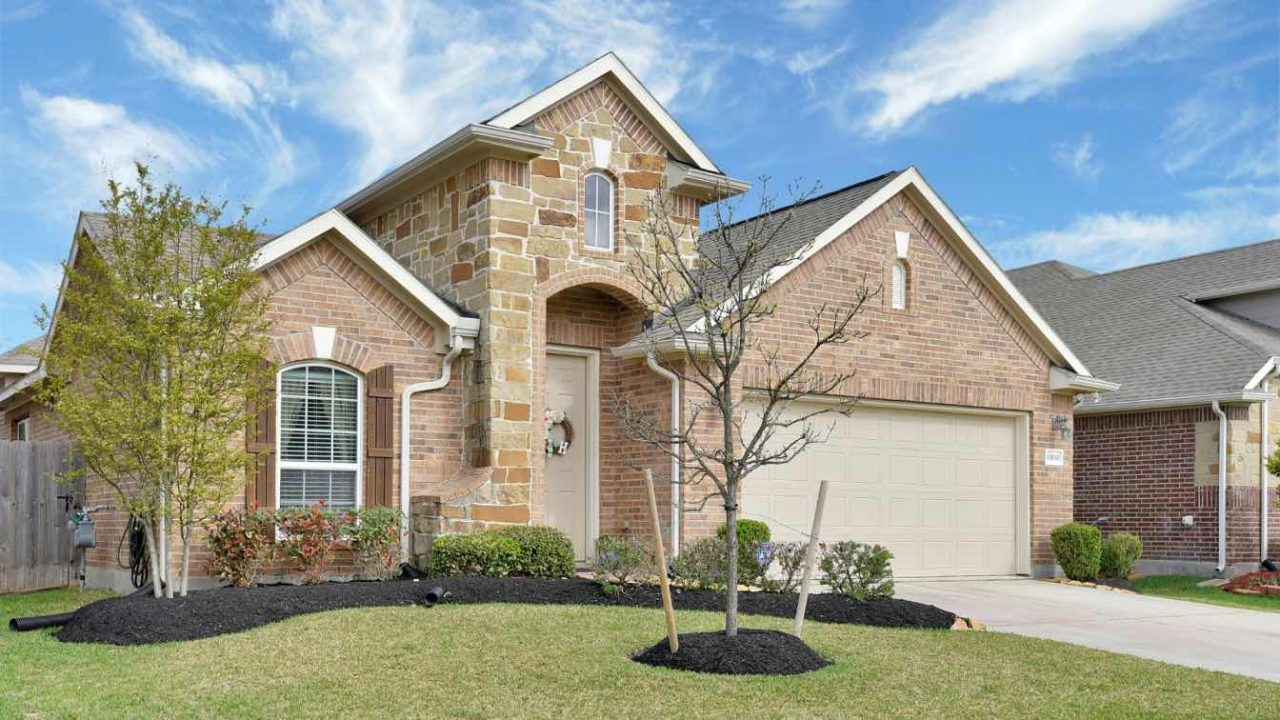

Securing the right financing strategy is a critical first step for any custom architecture project, setting the foundation for its successful realization. Unlike purchasing an existing property, financing a new build requires specialized knowledge of construction finance pathways. This process demands careful planning and a clear financial strategy before the first blueprint is even drawn, ensuring the project is set up for long-term success.
Understanding Construction Finance
The fundamental difference between a standard home loan and construction finance lies in how funds are disbursed. A standard home loan typically provides the entire property funding at settlement. In contrast, construction finance releases money in stages, aligning payments with the actual progress of the building. This phased approach prevents borrowers from paying interest on funds that have not yet been utilized, making it a more efficient method for financing new constructions.
Navigating Loan Options
Finding the optimal loan structure for an architectural vision often requires professional guidance. Consulting a qualified mortgage broker can be invaluable in navigating complex lending criteria and comparing multiple options. These experts understand how different lenders assess unique architectural designs, which often face extra scrutiny due to their potentially higher perceived risks for financial institutions. A well-structured finance plan demonstrates to banks that the project is viable and secure.
Drawdown Milestones and Verification
Lenders do not typically hand over a lump sum for building projects. Instead, funds are distributed at specific intervals, often referred to as drawdown milestones. Government portals and lending institutions explain that construction loans usually involve around four such milestones until the building is finalized. These payouts are tied to major completion stages of the construction. The builder requests funds after finishing specific phases, such as foundation work, framing, lock-up, and the final fit-out. This system protects both the borrower and the bank. To maintain accountability, each step requires verification before the bank releases the subsequent sum. Inspectors may visit the site to confirm the progress and ensure that the work completed matches the invoices submitted by the builder.
Managing Finances During Construction
Managing finances during a major build is a balancing act. Borrowers may find themselves paying rent on their current accommodation while also servicing interest on the new construction loan. Maintaining a financial cushion can significantly reduce stress during these months, ensuring that dual living expenses are comfortably accommodated within the budget.
Contingency Planning for Unforeseen Costs
Unforeseen costs frequently arise during custom builds. Factors such as soil tests, council variations, or material shortages can alter the initial budget. Having additional savings readily available helps manage these surprises without halting construction. A buffer of 10% to 20% of the total project cost is considered standard for architectural projects to account for such contingencies.
The Impact of Interest Rates
Securing a competitive interest rate can make a substantial difference to long-term financial well-being. Even a reduction of 0.5% in the interest rate can save thousands of dollars over the life of a mortgage, particularly over a 30-year loan term. These savings can then be redirected towards enhancing the project, such as premium interior finishes or landscaping.
Negotiating with Lenders
Negotiating favorable terms with banks requires a strong financial profile. A clean credit history and stable employment income make a borrower more attractive. Demonstrating a history of consistent savings behavior can provide additional leverage when negotiating better loan terms.
Essential Documentation for Application
Lenders require detailed paperwork before approving design finance, moving beyond rough estimates or verbal agreements. Banks need formal proof of the project’s total cost and legitimacy. Key documents typically required for a construction loan application include:
* Signed fixed-price building contracts.
* Council-approved architectural plans.
* Specifications detailing all materials and finishes.
* Proof of deposit or existing property equity.
Missing documentation can cause significant delays in the approval process. Organized files streamline the evaluation, presenting the applicant as a low-risk client.
As-If-Complete Valuation
Before final loan approval, banks typically order an “as-if-complete” valuation. An independent appraiser estimates the projected market value of the home once construction is finished. This step is crucial for determining the overall loan-to-value ratio. If the valuation comes back lower than expected, particularly with highly customized architectural choices, the borrower might need to contribute more cash upfront. Adjusting design plans or discussing alternative materials with the architect can help bridge any valuation gap, making the design more aligned with lender expectations.
Finalizing the Loan and Commencement
The final step involves signing the loan contract. It is imperative to thoroughly understand all terms and conditions before committing. Clear communication with the builder is essential throughout the drawdown process to prevent misunderstandings. All legal documents must be in order before construction commences. Upon finalization, the lender will issue a formal “authority to commence construction,” signaling the builder to start on-site preparations and protecting all parties involved. Financing custom architecture demands patience and meticulous planning. By understanding structured loan mechanisms and working with qualified financial professionals, clients can effectively manage cash flow and build confidence from the ground up.
Key facts
- Loan Type: Construction finance, disburses funds in stages vs. lump sum home loans.
- Drawdown Milestones: Typically around four stages, aligned with building progress.
- Contingency Buffer: Recommended 10% to 20% of total project cost.
- Required Documentation: Building contracts, approved plans, specifications, proof of deposit/equity.
This guide offers valuable insights for individuals embarking on custom home builds, architects advising clients, and financial professionals specializing in property development. It highlights the importance of proactive financial planning and navigating the complexities of construction lending to ensure architectural visions are realized successfully.
Source: Amazing Architecture – https://amazingarchitecture.com/articles/funding-blueprint-financing-your-dream-architecture
Source
Amazing Architecture Original publication: 2026-05-22T18:18:45+00:00
Related news

Handwoven Teak and Cord Outdoor Seating Debuts from Masaya and Abril Zepeda
Nicaraguan furniture brand Masaya has introduced two new handcrafted outdoor chairs — a rocking chair and a lounge chair — designed by…
Read more
Place in Mind: Hendricks Churchill Launches Hospitality Group to Revive Historic Properties
The architecture and interior design studio Hendricks Churchill has launched Place in Mind, a new hospitality group focused on acquiring, restoring, and…
Read more
Adalberto Dias Architects Complete Restoration of Lisbon’s Patriarchal Cathedral and Archaeological Center
The restoration of the Sé de Lisboa by Adalberto Dias Arquitecto integrates a new archaeological center, preserved cloisters, and seven centuries of…
Read more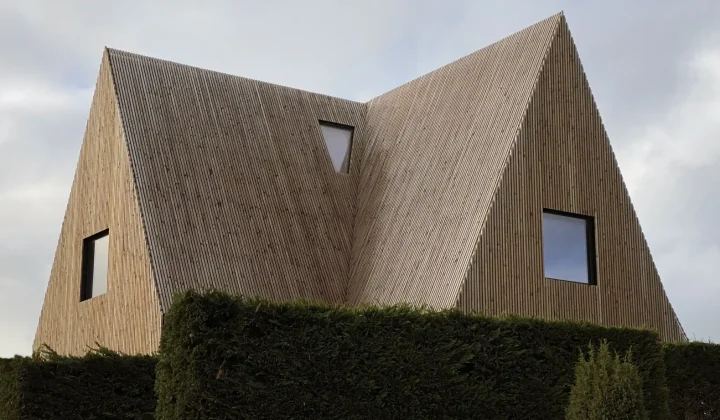
Vantieghem Talebi’s ‘House of Cards’ Brings Timber Geometry to Belgian Family Home
A new family house in Belgium by US- and Swiss-based practice Vantieghem Talebi uses a steeply pitched, card-house-inspired form clad in Douglas-fir…
Read moreRelated wiki

Adaptive Reuse in Architecture
Reference page for reuse, retrofit, conversion, embodied carbon and design constraints.
Read more