London’s listening bar boom reflects a deeper shift in hospitality design and music culture
A wave of Japanese-inspired listening bars is reshaping London’s nightlife, but owners and critics are asking whether the concept can survive commercial pressures without losing its soul.
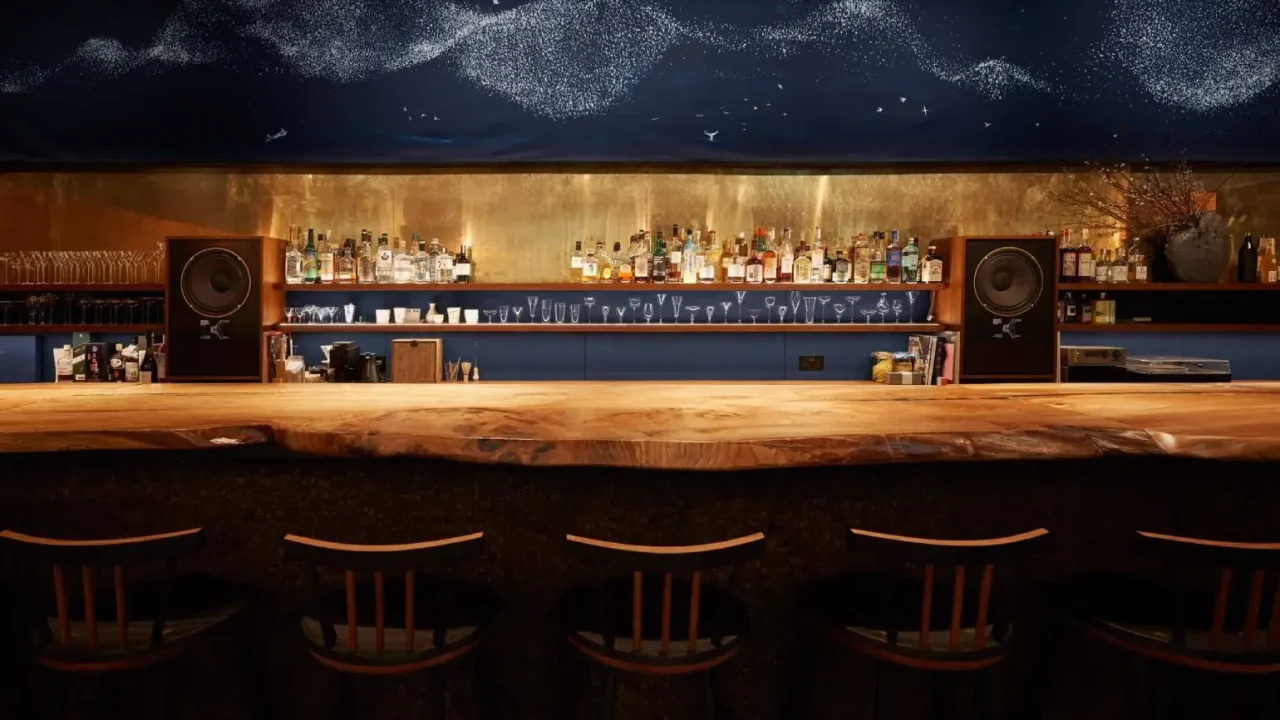
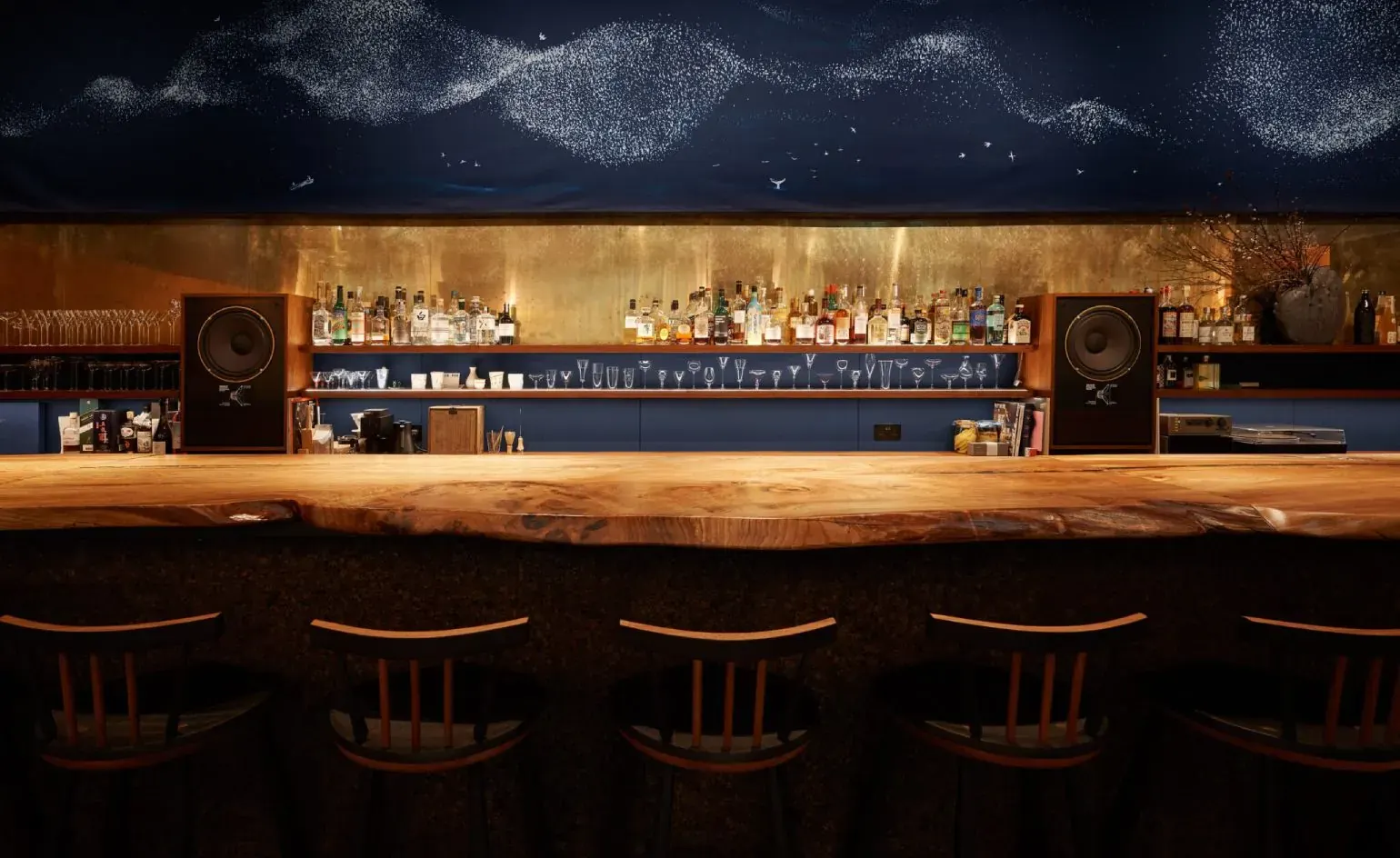
A quiet but significant shift is underway in London’s nightlife. Over the past two years, a growing number of bars have opened with a focus not on loud conversation or DJ-driven energy, but on attentive, seated listening. These venues, inspired by the Japanese listening bar tradition, place sound quality and music curation at the centre of the experience. Yet as the concept proliferates, owners and observers are asking whether the term still carries meaning — or whether it risks becoming a marketing label applied to any bar with a decent pair of speakers.
The trend has been most visible in east and south London. Waltz in Shoreditch, opened by Tokyo-born Gento Torigata, is often cited as a benchmark. The space combines a carefully selected spirits menu with a warm, acoustically treated interior where speakers are as prominent as the bar itself. Equal Parts in Hackney, which opened in 2023, has won multiple awards by treating sound and drinks as equal priorities from the outset. Owner Michael Sager told Wallpaper that the listening element was structural from day one, not a retrofit. The bar’s sound system was developed in collaboration with Audio Gold, and the room is lined with walnut and felt to control acoustics. Equal Parts plays exclusively vinyl, always full albums in order, respecting the artist’s intended sequence.
Key facts
| Element | Details |
|---|---|
| Core concept | Japanese listening bar: sound quality and music curation are primary, drinks are secondary |
| Notable London venues | Waltz (Shoreditch), Equal Parts (Hackney), Lyaness (South Bank), Seed Library (Shoreditch) |
| Key design features | Acoustic treatments (walnut, felt), custom sound systems, vinyl-only policy, intimate seating |
| Commercial challenge | High operating costs in London force higher prices, creating tension with the original intimate, accessible model |
What makes a listening bar
The definition is not universally agreed. In Japan, many listening bars enforce silence and prohibit phone use, creating a near-sacred space for focused listening. London venues tend to be less strict, but owners argue that intention remains the distinguishing factor. Sager says a true listening bar is one where “the music dictates the energy of the room, not the other way around.” He contrasts this with most hospitality spaces, which use music as background atmosphere management.
James Gilbody, owner of Freaking Out The Neighborhood, a listening bar in Bangkok who recently returned to London, offers a more sceptical view. He told Wallpaper that few authentic listening bars exist outside Japan. “The main trend globally is people opening bars with nice speakers but not much music curation from the venue and not much listening happening,” he said. He describes the ideal as a quiet, cosy space that feels like someone’s living room, with curation coming from the owners themselves.
Commercial pressures and authenticity
London’s high rents and operating costs create an inherent tension. A bar that prioritises quiet listening over high table turnover must charge more per drink to survive. This pushes the concept upmarket, away from the accessible neighbourhood feel of its Japanese origins. Owners are responding with additional revenue streams: guest bar takeovers, themed events and collaborations have become standard at venues such as Lyaness, run by Ryan Chetiyawardana (Mr Lyan), which combines a prime South Bank location with regular guest shifts from bars such as SIPS in Barcelona.
The risk, as Gilbody notes, is that the label becomes a marketing tool. A bar can install high-end speakers and call itself a listening bar without investing in the acoustic design, staff training or music philosophy that the concept demands. For the design community, this raises questions about how to evaluate authenticity in a trend-driven market.
Why this matters for design and culture
For readers of this site, the listening bar boom is not merely a nightlife story. It is a case study in how design intention interacts with commercial reality. The spaces require specific acoustic treatments, furniture layouts that discourage loud conversation, lighting that directs attention to the sound source and a material palette that absorbs rather than reflects noise. These are architectural and interior design decisions with measurable consequences for the user experience.
The trend also reflects a broader cultural shift: in an era of constant digital distraction, there is growing demand for experiences that demand focused attention. Listening bars offer a rare permission to sit still and listen, without the pressure to talk or scroll. Whether that model can scale without being diluted is an open question.
Source: Wallpaper, https://www.wallpaper.com/travel/bars/what-makes-a-good-bar
Source
Wallpaper Original publication: 2026-10-20T14:18:20+00:00
Related news
Nelson Byrd Woltz Begins Construction on Restorative Eagle Courtyard at Walter Reed Medical Center
Construction has started on a redesigned Eagle Courtyard at Walter Reed National Military Medical Center, led by Nelson Byrd Woltz Landscape Architects.…
Read more
Performing Colonial Toxicity Exhibition in Valencia Examines Architecture’s Role in Nuclear Colonialism
From 24 October to 1 November 2026, Aguas Internacionales in Valencia hosts Samia Henni’s exhibition on French nuclear testing in the Algerian…
Read more
Calm Haven House by ADA Design & Build Offers a Model for Wellness-Focused Residential Design
A new house in Can Tho, Vietnam, designed by ADA Design & Build for a young couple of doctors, demonstrates how residential…
Read more
ToB.Studio’s Timber Bike Station in Burgsinn Echoes a Stacked Log Pile
ToB.Studio has completed a cycling rest station in Burgsinn, Germany, that takes its visual cues from stacked timber logs. The building provides…
Read moreRelated wiki

Adaptive Reuse in Architecture
Reference page for reuse, retrofit, conversion, embodied carbon and design constraints.
Read more