
Mastering Architectural Essays: Avoiding Common Student Pitfalls
A new article highlights common mistakes architecture students make in academic essays, offering practical advice to move beyond descriptive writing to deeper analytical engagement with the built environment.
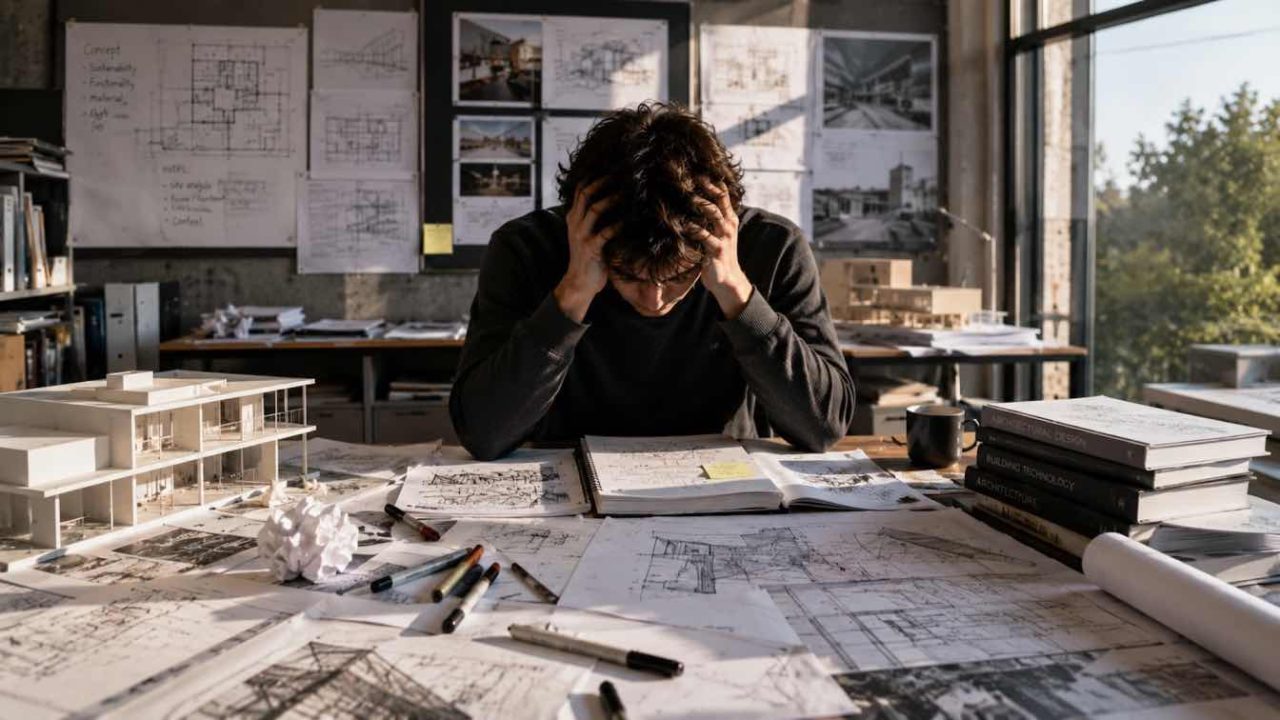

Architecture essays often demand more than a superficial description of buildings, requiring students to engage deeply with space, power, materials, history, and human behavior. A recent article from *Amazing Architecture* identifies key pitfalls students commonly encounter, emphasizing the need for analytical rigor over mere descriptive narration. The piece underscores that effective architectural writing moves beyond presenting what is seen, instead exploring the “why” and “how” behind design decisions and their broader implications. This shift from observation to interpretation is crucial for developing compelling academic papers in the field.
The article critiques the tendency for students to treat essays as brochure descriptions, using phrases like “large windows” or “modern façade” without delving into their significance. It argues that a stronger essay interrogates these features: Why are the windows large? What is the experiential impact of openness? How does a façade respond to climate, technology, social status, or aesthetic trends? This analytical depth challenges students to consider architecture as a physical and sensory experience, remembering the body’s interaction with built space. For instance, Peter Zumthor’s Therme Vals cannot be fully analyzed solely through its materials; its interplay of stone, water, sound, temperature, and the sense of slowness are integral to its experience.
Developing a Strong Argument
One of the most significant pieces of advice for students is to develop a clear claim, not just a topic. A weak topic like “Le Corbusier’s Villa Savoye” can be transformed into a robust claim such as: “Villa Savoye presents modern living as rational and liberated, but its strict geometry also exposes the limits of treating human life as a design system.” This approach introduces tension and provides a guiding argument for the entire essay. Buildings, the article reminds us, are not isolated objects but products of complex forces—money, politics, technology, culture, and land. Analyzing the Guggenheim Museum Bilbao, for example, should extend beyond its titanium curves to explore its role in urban regeneration, tourism, branding, and the “Bilbao effect.” Architectural analysis gains strength through its contextual understanding.
Key facts
- Aspect: Recommendation
- Essay Focus: Claim-driven, not topic-driven
- Analysis: Interpretive, not merely descriptive
- Context: Integrate historical, social, and political factors
- Evidence: Visuals (plans, sections) and textual sources
Integrating Evidence and Sources
Effective architectural essays require robust evidence, which extends beyond textual quotes to include visual materials such as plans, sections, elevations, photographs, sketches, and site maps. These visual aids can concretize arguments, illustrating how a building controls movement through its plan or entrance sequences. The article suggests that students should “look at drawings slowly,” as they often convey more information than written articles. Furthermore, sources should be woven into the argument rather than merely dropped into the text. A quote from Jane Jacobs or Vitruvius needs to be actively engaged with: What does it prove? Does the essay agree or disagree? How does it alter the reading of the building? Understanding whether a source is historical, theoretical, or critical is also essential for its proper integration.
Clarity and Precision in Writing
The article strongly advocates for clear and disciplined writing. While some students mistake complexity for academic rigor, using jargon like “spatial dynamics” or “formal articulation” without clear meaning, the piece stresses that clear writing is not basic writing. A precise sentence such as “The narrow corridor creates a controlled transition from public to private space” is more effective than vague statements about “liminal experiential conditions.” This emphasis on clarity ensures that the argument remains accessible and impactful.
The Importance of Narrowing Focus and Citation
Students often struggle with overly broad topics, such as “Gothic cathedrals” or “modern skyscrapers.” The advice is to narrow the focus to allow for deeper analysis. Instead of discussing Gothic architecture generally, comparing light and verticality in Chartres Cathedral provides a sharper scope. Similarly, examining how the Seagram Building expresses corporate modernism offers more depth than a broad discussion of skyscrapers. Finally, proper citation style—whether Harvard, APA, MLA, or Chicago—is crucial. References demonstrate the intellectual lineage of an essay, and neglecting image sources or other non-traditional evidence can undermine an otherwise strong argument. Before beginning to write, students are encouraged to ask five fundamental questions: What is being examined? What is the main argument? Which visual details prove it? Which sources support it? And ultimately, why should the reader care? These questions are designed to move students away from decorative descriptions towards critical inquiry.
Architecture essays, at their best, do not simply admire buildings from a distance. They step inside, question assumptions, and critically engage with the built environment. A strong essay does not need to praise every famous structure; it can express doubt, argue against perceived wisdom, or highlight how even beautiful spaces can be exclusionary or how simple structures hold profound cultural meaning. This critical approach, moving beyond mere seeing to active thinking through architecture, is presented as the true work of an architectural essay.
Source: Amazing Architecture – https://amazingarchitecture.com/articles/the-biggest-mistakes-students-make-in-architecture-essays
Source
Amazing Architecture Original publication: 2026-05-20T17:25:38+00:00
Related news

Handwoven Teak and Cord Outdoor Seating Debuts from Masaya and Abril Zepeda
Nicaraguan furniture brand Masaya has introduced two new handcrafted outdoor chairs — a rocking chair and a lounge chair — designed by…
Read more
Place in Mind: Hendricks Churchill Launches Hospitality Group to Revive Historic Properties
The architecture and interior design studio Hendricks Churchill has launched Place in Mind, a new hospitality group focused on acquiring, restoring, and…
Read more
Adalberto Dias Architects Complete Restoration of Lisbon’s Patriarchal Cathedral and Archaeological Center
The restoration of the Sé de Lisboa by Adalberto Dias Arquitecto integrates a new archaeological center, preserved cloisters, and seven centuries of…
Read more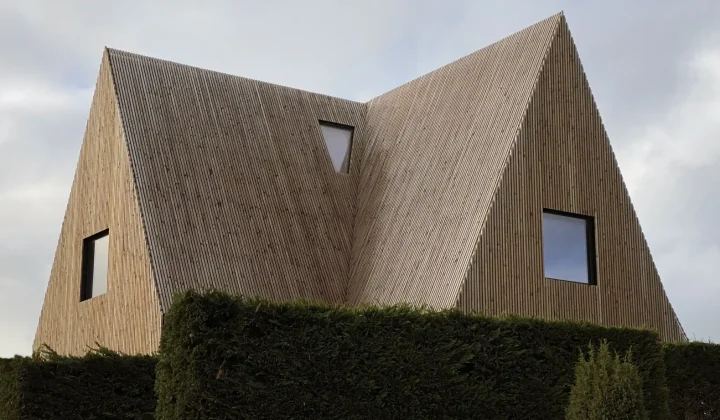
Vantieghem Talebi’s ‘House of Cards’ Brings Timber Geometry to Belgian Family Home
A new family house in Belgium by US- and Swiss-based practice Vantieghem Talebi uses a steeply pitched, card-house-inspired form clad in Douglas-fir…
Read moreRelated wiki

Adaptive Reuse in Architecture
Reference page for reuse, retrofit, conversion, embodied carbon and design constraints.
Read more