
The Quiet Revolution: How Modular Construction is Reshaping Urban Housing
This column explores the evolving landscape of modular construction and its potential to address critical urban housing challenges, examining its benefits, drawbacks, and future implications.
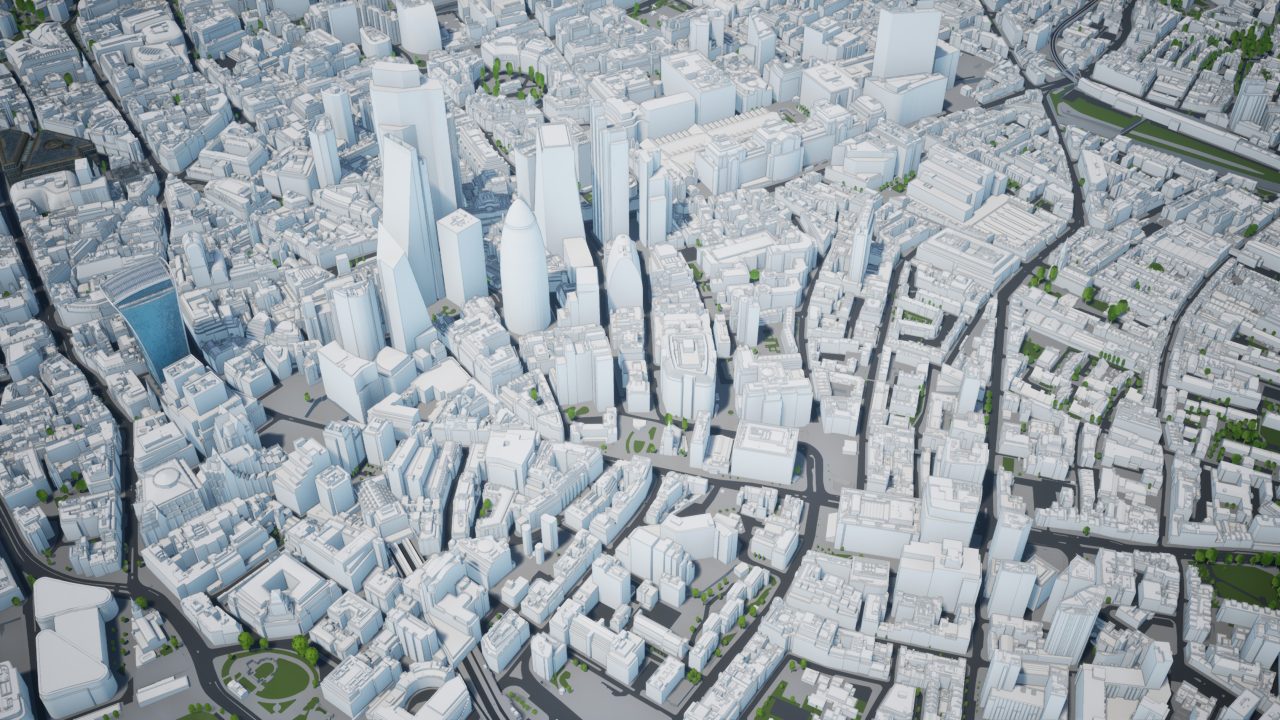

The relentless pressure of urban population growth and the persistent demand for affordable, sustainable housing have pushed the architecture and construction industries to seek innovative solutions. Among these, modular construction has emerged not merely as an alternative, but as a potential revolution, promising to reshape how we conceive, design, and build our cities. While often perceived as a utilitarian approach, modular construction, characterized by the fabrication of building components or entire units in a factory setting before assembly on-site, is increasingly demonstrating its capacity to deliver high-quality, aesthetically diverse, and environmentally responsible housing.
This column argues that modular construction represents a critical juncture in urban development, offering a viable pathway to address housing affordability, accelerate delivery timelines, and enhance sustainability. However, its widespread adoption is contingent upon overcoming significant logistical, regulatory, and perceptual hurdles. By examining the multifaceted implications of this building methodology, from client aspirations to user experience and urban integration, we can better understand its transformative potential and the challenges that lie ahead.
Why it Matters
The urgency surrounding urban housing cannot be overstated. Many global cities grapple with escalating land costs, labor shortages, and lengthy construction periods, all of which contribute to a critical deficit in accessible and affordable housing. Modular construction directly confronts these issues. Its factory-based production allows for greater control over the construction process, leading to reduced waste, improved quality, and significantly faster assembly times on-site. This speed is crucial for rapidly deploying housing solutions in response to crises or meeting burgeoning demand. Furthermore, the controlled environment of a factory can optimize material use and implement sustainable practices more effectively than traditional on-site construction, aligning with broader environmental goals. The potential for standardization, while sometimes seen as a limitation, also allows for economies of scale that can drive down costs, making housing more accessible to a wider demographic.
What Sources Show
Evidence supporting the efficacy of modular construction is steadily accumulating across various urban contexts. Projects like the “Katerra” initiative, despite its eventual financial challenges, demonstrated the ambition and potential of vertically integrated modular development to streamline the entire building lifecycle. While Katerra’s story is complex, the underlying principles of off-site manufacturing for efficiency and cost-effectiveness are being pursued by numerous other entities. In the UK, companies like Pocket Living have utilized modular techniques to create compact, affordable homes for first-time buyers in high-cost urban areas, with projects such as the “Wembley Parade” development showcasing how modular units can be integrated into existing urban fabric. (Source: Pocket Living website, detailing their projects and methodology).
In North America, the development of student housing and micro-apartments has frequently employed modular strategies. For instance, the “CitizenM” hotel chain has consistently used prefabricated modules to ensure rapid deployment and consistent quality across its global portfolio, demonstrating the scalability and replicability of the approach for hospitality which shares many parallels with residential development. (Source: CitizenM website, project descriptions and sustainability reports). The regulatory landscape is also evolving, with cities and regions beginning to develop specific codes and standards for modular construction, signaling a growing acceptance and integration into mainstream building practices. (Source: National Association of State Building Officials – NASBO, resources on modular construction codes).
Design Trade-offs
Despite its advantages, modular construction presents distinct design and logistical trade-offs. The inherent limitations of factory dimensions and transportation constraints can influence the scale and form of individual modules. While architects have become adept at designing flexible and aesthetically pleasing modular systems, there remains a perceived constraint on bespoke design and complex geometries compared to traditional on-site methods. The “box-like” perception, though increasingly outdated, can still be a hurdle in client and public acceptance.
Furthermore, the upfront capital investment required for factory infrastructure and specialized equipment can be substantial, posing a barrier to entry for smaller developers or those new to the methodology. On-site assembly, while faster, requires precise coordination and skilled labor for integration, and any errors in fabrication can be costly to rectify. The long-term maintenance and adaptability of modular structures also warrant consideration; while durable, the interconnectedness of factory-built systems may require specialized knowledge for repairs or future modifications.
What Remains Unclear
Several critical questions persist regarding the long-term performance and widespread societal impact of modular construction. The embodied carbon footprint of modular units, particularly concerning the manufacturing of modules and their transportation to site, requires more granular and standardized analysis across different systems and materials. While often touted as more sustainable due to reduced waste, a comprehensive life-cycle assessment is crucial.
The adaptability of modular housing to diverse urban contexts and evolving resident needs over decades is another area requiring further study. How easily can these units be reconfigured, expanded, or repurposed as urban demographics and living patterns change? Moreover, the impact of modular construction on the traditional construction workforce and the potential for job displacement or the need for new skill sets remains a significant socio-economic consideration. The long-term resale value and perception of modular homes compared to traditional builds also require more extensive market data.
What Readers Can Verify
Readers can begin to verify the claims and understand the nuances of modular construction by exploring the websites of modular developers and manufacturers. Pay attention to project case studies, looking for details on construction timelines, cost efficiencies (where disclosed), and the types of housing produced. Investigating the sustainability reports of companies that heavily utilize modular methods can provide insights into waste reduction and energy efficiency metrics.
Furthermore, researching local planning portals and urban development news for examples of modular projects in your city or region can offer tangible evidence of its presence and integration. Examining the specifications and warranties offered for modular homes can shed light on their durability and maintenance requirements. Finally, seeking out independent reviews or analyses of modular building performance and user satisfaction can provide a balanced perspective.
- Construction Time: Longer, subject to weather delays | Shorter, factory-controlled, faster assembly
- Cost Predictability: Can be variable, prone to site-specific issues | More predictable due to controlled environment
- Waste Generation: Higher on-site waste | Lower waste through factory optimization
- Quality Control: Dependent on site supervision | Higher, consistent in controlled factory
- Design Flexibility: High, ability for complex forms | Good, but can be constrained by transport/factory
- Skilled Labor Needs: Significant on-site labor | Requires factory and precise assembly skills
- Upfront Investment: Lower for initial setup, higher per project | Higher for factory setup, potentially lower per project at scale
- Environmental Impact: Variable, often higher waste | Potentially lower embodied carbon and waste
Related news

Christopher Kane brings streamlined, heritage-driven vision to Mulberry in London Fashion Week debut
The Scottish designer presented his first collection for the British leather goods house at London Fashion Week, blending sharp tailoring, archival references…
Read more
When Film Directors Become Interior Designers: Guadagnino, Lynch, Anderson and Almodóvar Step Off Screen
From Luca Guadagnino’s Zara Home collection to David Lynch’s Paris club and Wes Anderson’s train carriage, a wave of collaborations is blurring…
Read more
Jesus Mari Lazkano Examines Changing Landscapes Through Painting and Animated Film at Basque Luxury Studio
The Basque artist’s exhibition ‘Azken Natura’ brings together six large-scale paintings and a 22-minute animated film that traces the melting of the…
Read more
Glenn Spiro opens intimate jewellery atelier in Mayfair with designer Valerie Name Bolaño
The London jewellery house’s new boutique at 26 Bruton Street blends antiques, bespoke furniture and a monochrome palette to create a residential…
Read moreRelated wiki

Adaptive Reuse in Architecture
Reference page for reuse, retrofit, conversion, embodied carbon and design constraints.
Read more