
Rain Rhizome: A Water Infrastructure Pavilion in Chimalhuacán by TANAT and Rizoma del Agua
A new pavilion in Chimalhuacán, Mexico, designed by TANAT and Rizoma del Agua, makes visible the hidden infrastructure of water distribution in a city where the municipal network has failed.
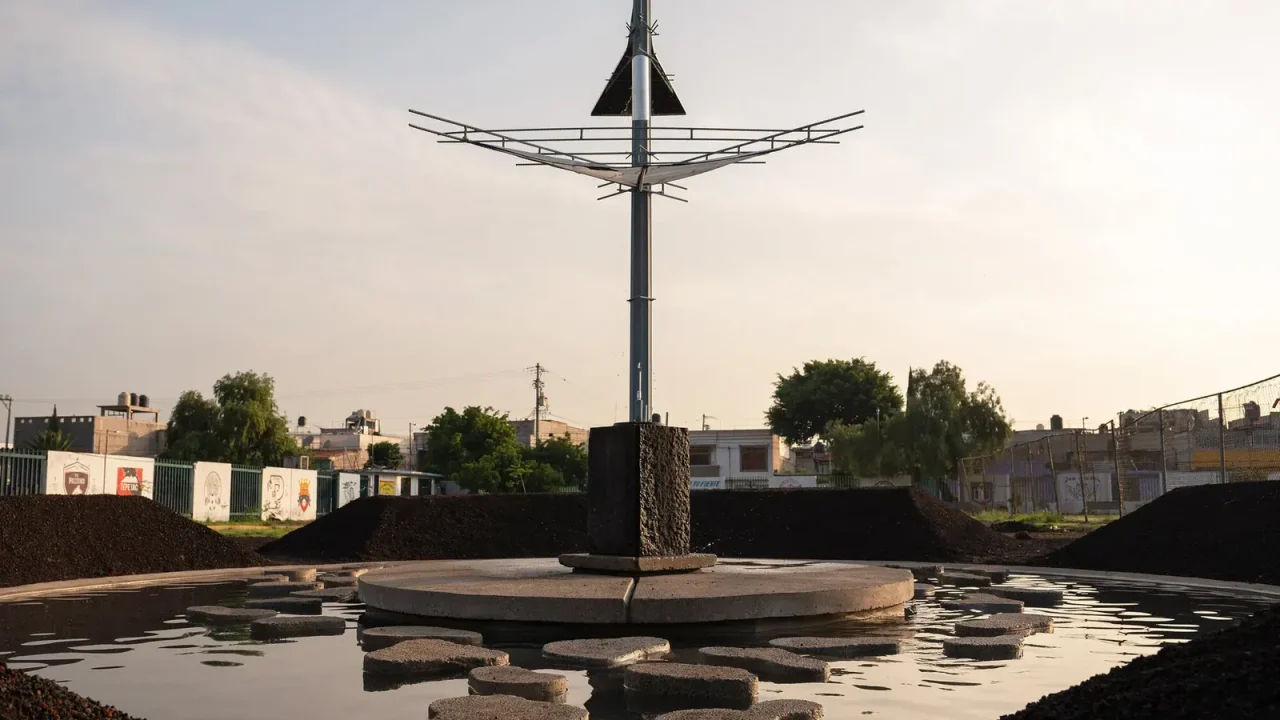
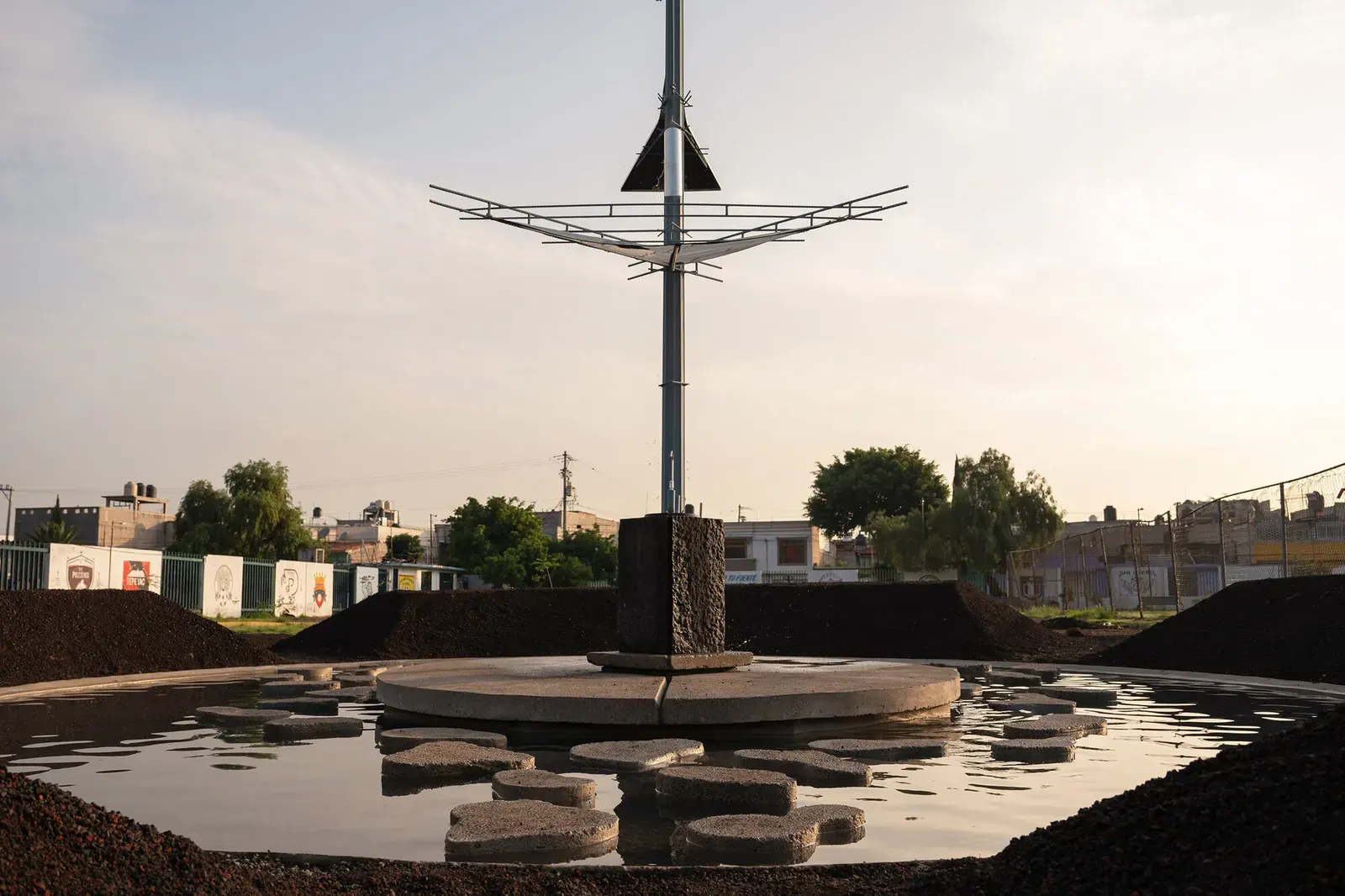
A new installation in Chimalhuacán, a city on the eastern edge of Mexico City, makes visible the hidden infrastructure of water distribution that sustains millions of residents where the municipal network has failed. Rain Rhizome, designed by the architecture office TANAT in collaboration with the collective Rizoma del Agua, opened this week as a permanent public pavilion that documents and critiques the informal economy of water.
The project addresses a specific urban condition: in many Mexican cities, drinking water does not flow reliably through public pipes. Instead, it arrives by truck, in plastic bottles, in twenty-liter garrafones, through rooftop tanks, domestic filters, purification shops, and informal deliveries. This system, which residents manage daily through routines of buying, carrying, storing, and treating water, has produced what the designers call a spatial and economic culture of substitution.
Key facts
| Fact | Detail |
|——|——–|
| Location | Chimalhuacán, State of Mexico, Mexico |
| Designers | TANAT (architecture office) + Rizoma del Agua (collective) |
| Project type | Public pavilion / urban installation |
| Completion | September 2026 |
What the pavilion reveals
Rain Rhizome is not a functional water system but a representational one. Its circular wooden structure, open at the top, houses a central water tank that physically resembles the storage containers found on thousands of rooftops across the city. Benches arranged around the tank invite visitors to sit, gather, and observe the space. The pavilion’s form—a ring of wooden slats with a raised canopy—frames the tank as an object of civic attention rather than a private, hidden necessity.
The designers describe the piece as a device for making legible the “dense economy of substitution” that has replaced the failed public network. By placing a domestic water storage tank in a public plaza, the installation forces a conversation about who bears the cost and labor of water access. In Chimalhuacán, as in many peri-urban Mexican communities, that responsibility falls overwhelmingly on households, and disproportionately on women and children who carry, buy, clean, and manage water before it can be consumed.
A design for a contested system
The project operates at the intersection of urban design, landscape architecture, and critical infrastructure studies. TANAT, a Mexico City-based office known for projects that engage with social and territorial issues, worked with Rizoma del Agua, a collective that researches water governance and public space in Latin America. Together, they have created a structure that is both a pavilion and a piece of urban furniture.
The choice of Chimalhuacán is deliberate. The municipality, home to over 600,000 people, is one of the most water-stressed in the Mexico City metropolitan area. Piped water is available only a few hours per week in many neighborhoods, forcing residents to rely on tanker trucks, known as pipas, and bottled water. The cost of this private water is often three to five times higher than municipal rates. Rain Rhizome does not solve this problem, but it makes it visible in a way that a policy report or a news article cannot.
Architectural and material choices
The pavilion is built from locally sourced wood and steel. Its circular plan creates an intimate gathering space within a larger public plaza. The central tank, painted a neutral gray, stands as a sculptural element. The wooden canopy provides shade while leaving the tank exposed to view. At night, lighting inside the tank illuminates the structure, turning the water container into a lantern.
The design deliberately avoids high-tech or digital solutions. There are no sensors, no water filtration systems, no interactive screens. The project is intentionally analog, relying on the physical presence of the tank and the social space around it to communicate its message. This restraint aligns with the broader critique embedded in the work: that the problem of water access is not technical but political and economic.
Relevance for architects and urbanists
For readers interested in urban design, landscape architecture, and the politics of infrastructure, Rain Rhizome offers a case study in how architecture can address systemic failure without pretending to fix it. The pavilion does not claim to provide water to Chimalhuacán. Instead, it documents and spatializes the existing system of informal water distribution, inviting residents and visitors to see what is already there.
The project also raises questions about the role of public space in cities where basic services are privatized by default. By placing a domestic water tank in a public plaza, the designers transform a private burden into a collective concern. This act of making visible is, in itself, a form of advocacy.
Source: ArchDaily, “Rain Rhizome / TANAT + Rizoma del Agua” (September 4, 2026)
Datos clave
| Punto | Detalle |
|---|---|
| Fuente | ArchDaily |
| Fecha | 2026-09-04T19:00:00+00:00 |
| Tema | Rain Rhizome / TANAT + Rizoma del Agua |
Source
ArchDaily Original publication: 2026-09-04T19:00:00+00:00
Related news
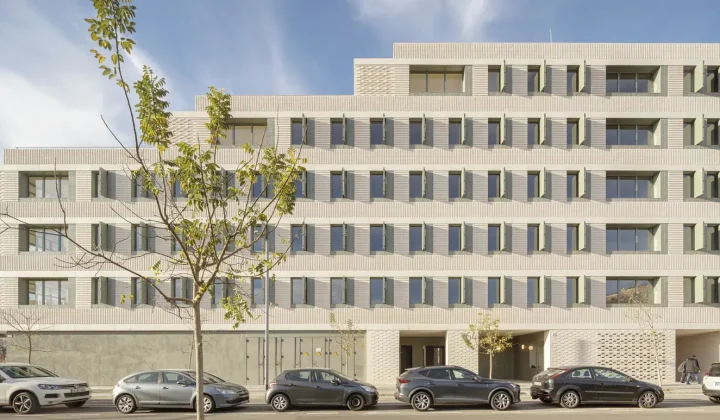
b720 Fermín Vázquez Completes 37 Build-to-Rent Homes in L’Hospitalet de Llobregat
Barcelona-based firm b720 Fermín Vázquez Arquitectos has completed a 37-unit build-to-rent residential project in L’Hospitalet de Llobregat, designed for a peripheral area…
Read more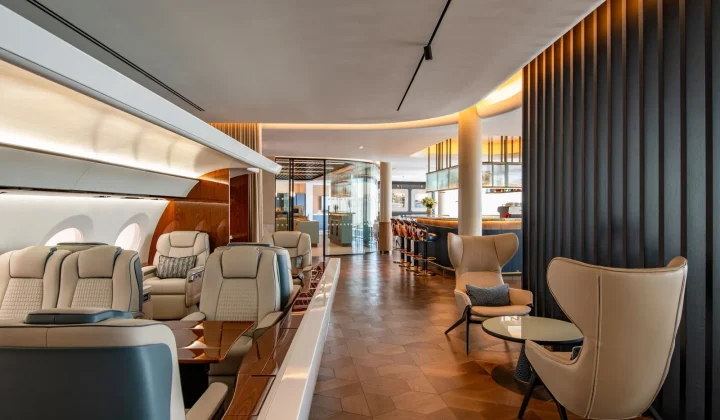
Flexjet’s new Farnborough terminal brings hospitality-driven design to private aviation
The private aviation provider’s first dedicated European hub at Farnborough Airport combines a lounge, training academy and event space with interiors by…
Read more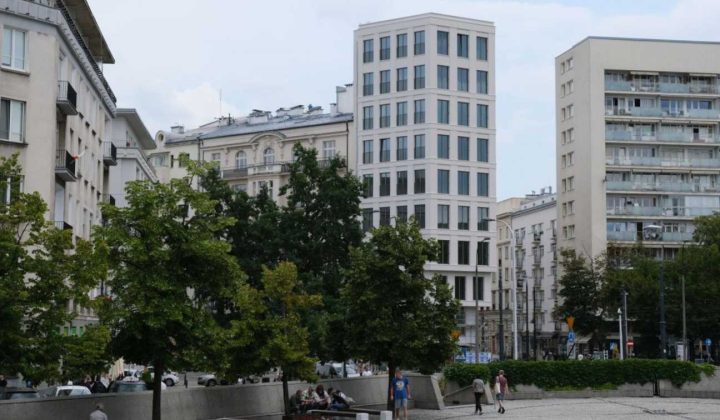
WXCA Completes Intimate Warsaw Apartment Block at Plac Politechniki, Showcasing Adaptive Reuse
Warsaw's Plac Politechniki has a new addition: a nine-unit apartment block by WXCA that reuses an existing structure, blending contemporary design with…
Read more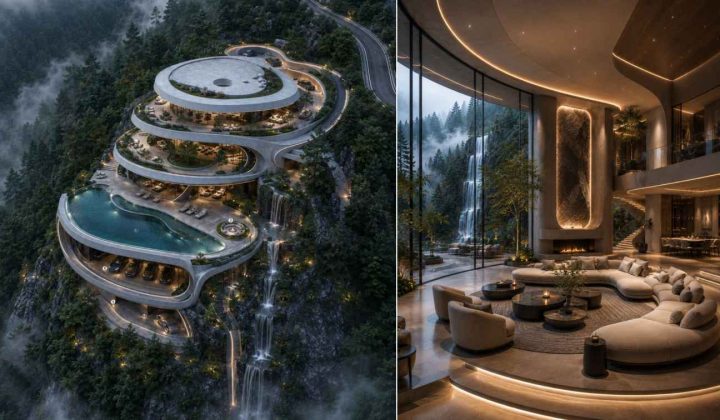
KUMO Mountain Residence Blends Architecture and Landscape on a Steep Forested Slope
Designed by Rabani Design, KUMO is a private mountain residence embedded into a steep forested mountainside. The project treats the terrain as…
Read moreRelated wiki
Adaptive Reuse in Architecture
Reference page for reuse, retrofit, conversion, embodied carbon and design constraints.
Read more