
Trahan Architects Unveils Circular Chapel at Loyola University, New Orleans
Trahan Architects has completed the Chapel of St. Ignatius and the Gayle and Tom Benson Jesuit Center at Loyola University, New Orleans, featuring a unique circular design with a brick facade and cross-laminated timber structure.
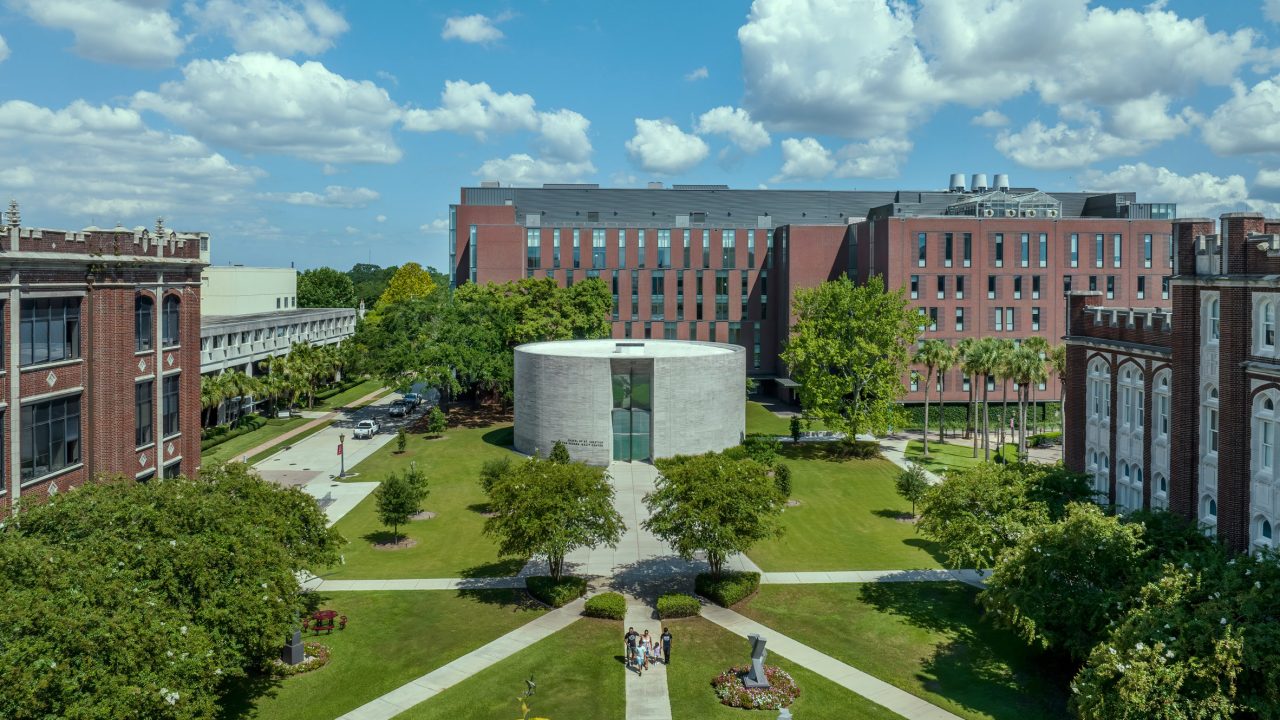
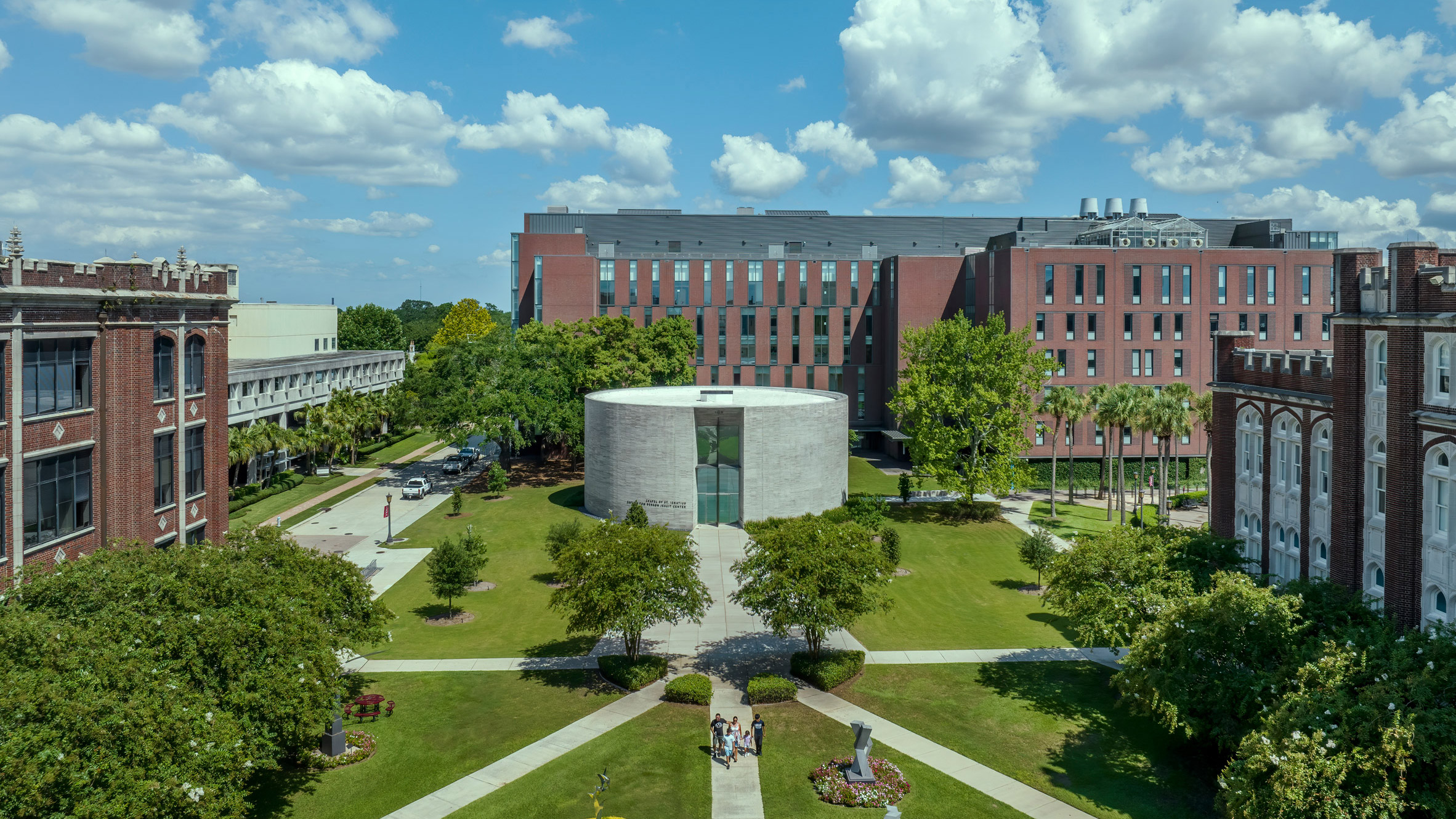
US studio Trahan Architects has completed the Chapel of St. Ignatius and the Gayle and Tom Benson Jesuit Center at Loyola University in New Orleans, Louisiana. The 4,620-square-foot (430-square metre) structure, finished in 2025, is characterized by its distinctive circular form, handmade brick facade, and a cross-laminated timber (CLT) structure.
The design aims to embody Loyola University’s mission of developing the whole person—mind, body, and spirit—through its experiential sequence and form, while also integrating harmoniously with the existing campus context. The studio described the chapel’s minimal sensibility as providing a serene backdrop, animated by richly textured liturgical objects, custom furnishings, sculptures, and the spirit of its visitors.
Key facts
- Feature: Detail
- Architect: Trahan Architects
- Project: Chapel of St. Ignatius and the Gayle and Tom Benson Jesuit Center
- Location: Loyola University, New Orleans, Louisiana
- Completion Year: 2025
- Area: 4,620 sq ft (430 sq m)
- Primary Structure: Cross-laminated timber (CLT)
- Facade Material: Handmade bricks from San Anselmo, Italy
Campus Integration and Materiality
The chapel is situated at the center of the Loyola University campus. Its facade employs handmade bricks sourced from San Anselmo, Italy, chosen to complement the red brick palette of the surrounding modern, Gothic, and Tudor architectural styles. While the terracotta base and light-grey translucent glaze offer a visual distinction from a distance, closer inspection reveals similarities to its neighbors, such as the basketweave coursing of the brickwork and its deep red hue.
Trahan Architects explained that this textured, handmade quality is a deliberate reference to St. Ignatius of Loyola’s conversion moment, which followed a period of isolation and prayer in the Cave of Manresa. The cylindrical form is oriented to connect with the existing campus circulation patterns, and its rounded shape is intended to be inviting, creating a positive spatial contribution within the urban grid. The studio stated that the form and materiality are designed to engage all students, faculty, and visitors, offering a “sense of mystery, texture and complementary contrast among the surrounding buildings.” They added that the modest yet minimal structure is striking upon first sight but softens as one approaches.
Innovative Structure and Spatial Concept
Beneath the brick exterior lies a cross-laminated timber (CLT) structure, noted by the studio as the first of its kind in the state of Louisiana. This structural system forms a series of circular spaces that subtly reference a traditional axial church plan but prioritize equality over hierarchy. The design creates intimate gathering spaces through the intersection of these circles, forming sacred thresholds marked by the vesica piscis symbol. This arrangement guides a procession of openness, illuminated by natural light and modulated by scale. The studio emphasized that these thresholds are as significant as the spaces themselves, representing “moments of the spirit in transition.”
Flexible Interior Design
Departing from fixed pews, the chapel features moveable chairs that can be reconfigured. This flexibility allows for various arrangements under a central circular skylight, which, along with other deliberate openings in the facade, floods the interior with natural light. The interior finishes are selected to foster visual and acoustic quietness. Walls of white gypsum, polished concrete floors, and neutral fabric lining the sanctuary walls create a minimal character. The studio views this as a subtle canvas, animated by the visitors themselves, whose clothing, movements, and objects contribute to the overall palette, ensuring the architecture enhances rather than dominates the experience of serenity and faith.
Project Background and Practice Context
Trahan Architects, with offices in New Orleans and New York, has a portfolio that includes previous notable projects in New Orleans and beyond. The firm previously completed a “grand yet minimalistic” pavilion for an expo in Osaka, Japan; a “weightless” hand-bent steel pavilion in Arkansas; and a significant restoration of the Superdome in New Orleans.
The completion of the Chapel of St. Ignatius represents a significant addition to Loyola University’s campus, offering a contemporary yet contextually sensitive space for reflection and community. The integration of CLT as a primary structural material also highlights advancements in sustainable building technologies within the region. This project demonstrates Trahan Architects’ commitment to creating spaces that are both architecturally compelling and deeply responsive to their program and environment.
Source:
Dezeen
https://www.dezeen.com/2026/05/22/chapel-of-st-ignatius-new-orleans-trahan-architects/
Source
Dezeen Original publication: 2026-05-22T17:00:08+00:00
Related news
Scaffolding as Interior Architecture: Adaptable Systems Challenge the Divide Between Temporary and Permanent
A new article by Jonathan Yeung examines how modular scaffolding systems, from steel frames to Dieter Rams’ shelving, demonstrate that longevity in…
Read more
MIV Architects Proposes Wetland Pavilion That Prioritizes Non-Human Habitats Over Human Comfort
The Spanish firm’s “Nidos de Agua” concept for the Albufera natural park in Valencia aims to rebalance the relationship between building and…
Read more
Nelson Byrd Woltz Begins Construction on Restorative Eagle Courtyard at Walter Reed Medical Center
Construction has started on a redesigned Eagle Courtyard at Walter Reed National Military Medical Center, led by Nelson Byrd Woltz Landscape Architects.…
Read more
London’s listening bar boom reflects a deeper shift in hospitality design and music culture
A wave of Japanese-inspired listening bars is reshaping London’s nightlife, but owners and critics are asking whether the concept can survive commercial…
Read moreRelated wiki

Adaptive Reuse in Architecture
Reference page for reuse, retrofit, conversion, embodied carbon and design constraints.
Read more