
Vitra Introduces ‘Reset’ System by Stephan Hürlemann for Adaptive Office Environments
Vitra has launched 'Reset', a modular furniture system designed by Stephan Hürlemann, promoting a "beta mindset" for flexible and adaptable workspaces. The system aims to transform underutilized areas into productive environments, allowing for easy reconfiguration without major structural changes.
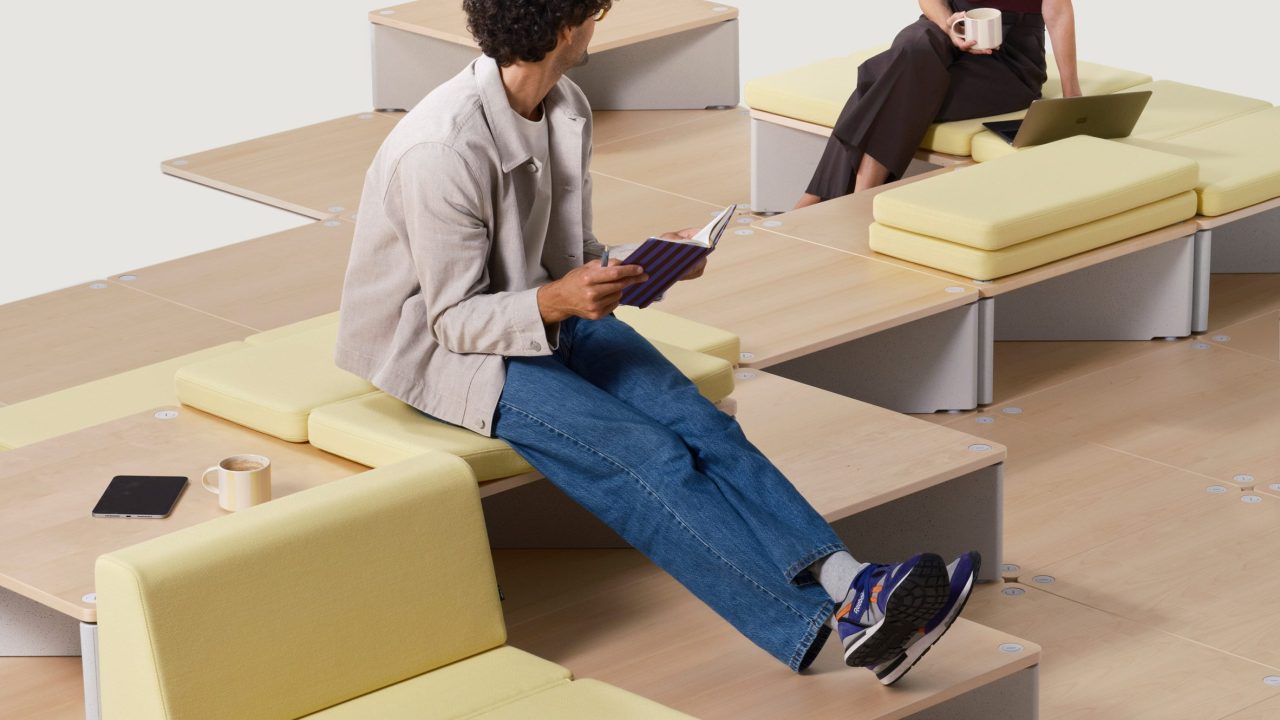
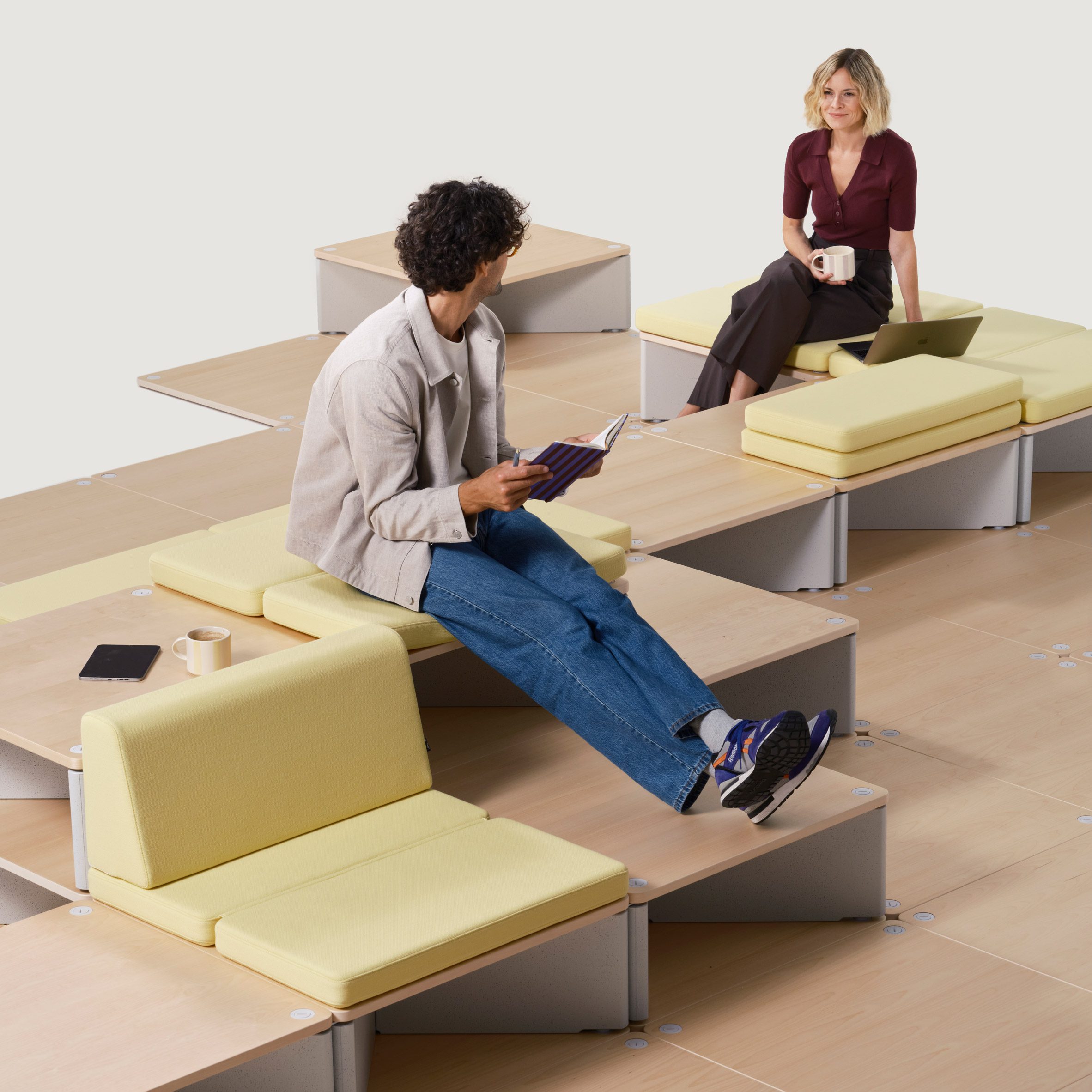
Swiss furniture brand Vitra has introduced “Reset,” a new modular furniture system designed by Swiss architect and designer Stephan Hürlemann. The system is conceived to foster a “beta mindset” in contemporary work and educational settings, allowing spaces to be easily adapted and reconfigured to meet evolving user needs. Reset aims to transform previously underutilized areas within buildings, such as corridors and corners, into dynamic and productive environments.
The system is built on the principle of adaptability, emphasizing flexibility as a core component of modern design. Vitra describes the “beta mindset” as an approach that values exploration over the pursuit of a perfect product, enabling organizations to respond purposefully to change. Reset is positioned to support this ethos by allowing users to modify their surroundings as easily as building blocks, promoting an iterative and responsive approach to space utilization.
Key facts
- Feature: Description
- Designer: Stephan Hürlemann
- Manufacturer: Vitra
- Concept: “Beta mindset” for adaptable, flexible spaces
- Material: Square platforms (75 x 28 cm) with a panel and two base elements, optional cushions
Design and Modularity
Stephan Hürlemann crafted the Reset collection from square platforms, each measuring 75 by 28 centimeters. These platforms are constructed from a simple combination of a panel and two base elements, allowing for straightforward assembly, remodeling, dismantling, and storage. The design aims to be as intuitive as building blocks, making reconfiguration accessible to users without the need for specialized tools or extensive planning. The system also includes cushions for enhanced comfort, integrating soft elements into its structured form.
Hürlemann’s design philosophy for Reset focuses on creating an informal and flexible infrastructure that encourages impromptu interactions in both work and educational contexts. He specifically targeted what he refers to as “in-between zones” – spaces like corridors, lobbies, and windowless corners within workplaces, universities, and schools that often lack a defined purpose. The goal is to activate these areas, transforming them into valuable spaces for collaboration, quiet work, or informal gatherings.
Transforming Underutilized Spaces
The core innovative aspect of Reset lies in its ability to activate these “in-between zones.” Hürlemann posits that some of the most meaningful moments occur in unplanned encounters and casual interactions. By providing a reconfigurable system, Reset aims to facilitate these moments, turning them into opportunities for connection, idea exchange, and energy flow. This approach challenges traditional notions of fixed office layouts and encourages a more fluid use of space.
The modularity of the system means it can be easily reconstructed into various structured building blocks without requiring structural modifications or complex planning. This feature is particularly beneficial for organizations, educational institutions, and hospitality settings that need to quickly adapt their environments to changing demands. Examples of its application include creating communication-friendly meeting landscapes, informal dialogue areas with sofas, platforms for focused work, or display areas for installations and projects.
The “Beta Mindset” in Practice
Vitra emphasizes that the “beta mindset” is a strategic response to the uncertainties of the contemporary world. In a climate of rising rents and economic fluctuations, the ability to quickly adapt physical spaces becomes a significant advantage. Reset offers a playful yet practical solution for organizations to modify room topographies and empower users to redefine their environments. Employees can reconfigure the system themselves, fostering a sense of ownership and responsiveness to their immediate needs.
Hürlemann highlights Reset as more than just a product; he describes it as “a platform for possibility.” It is designed to support a range of activities from intensive work to recreation, adapting and growing with teams and their evolving requirements. This reflects a broader shift in workplace strategy towards agile, human-centered design that prioritizes flexibility and user empowerment.
Implications for Architectural and Design Practice
For architects, interior designers, and facility managers, the Reset system offers a new tool for creating highly adaptable and responsive interior environments. It addresses the growing demand for flexibility in workplaces and educational institutions, where traditional static layouts are increasingly seen as inefficient. The system’s ease of reconfiguration without structural intervention means that designers can propose dynamic spaces that evolve over time, offering clients a long-term solution to changing operational needs.
The emphasis on activating “in-between zones” also encourages a more holistic approach to space planning, recognizing the latent potential in often-overlooked areas. This can lead to more efficient use of existing building footprints and a greater return on investment for interior fit-outs. Furthermore, the “beta mindset” promoted by Vitra aligns with contemporary design thinking that prioritizes iterative processes and user participation in shaping their environments.
Source: Dezeen, https://www.dezeen.com/2026/05/20/vitra-beta-mindset-office-furniture/
Source
Dezeen Original publication: 2026-05-20T20:00:38+00:00
Related news
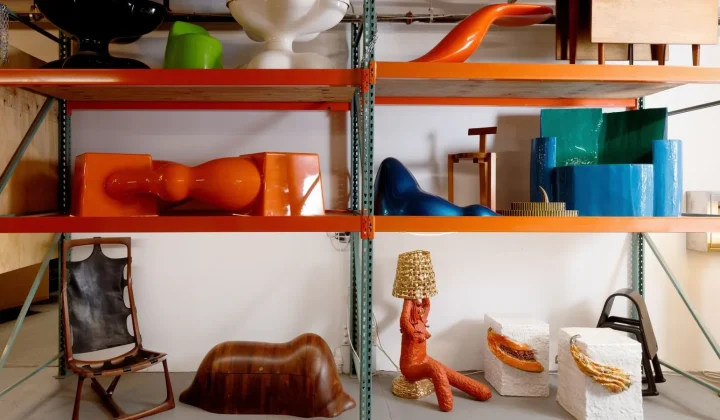
R & Company Opens Its Brooklyn Archive to the Public, Revealing 10 Rare Design Finds
The celebrated design gallery R & Company has opened its 16,000 sq ft storage facility, Building 86, in the Brooklyn Navy Yard…
Read more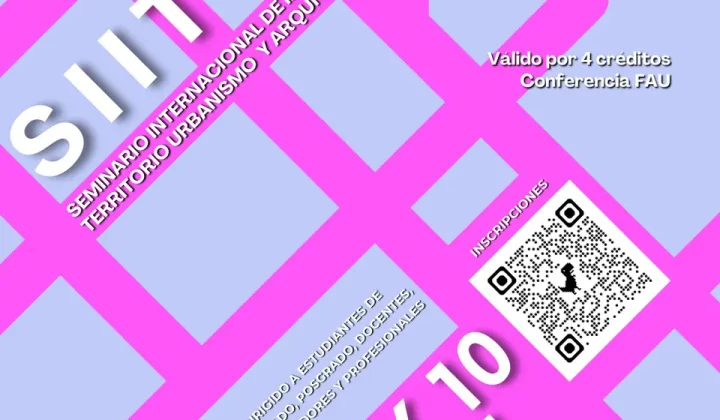
SIITUA III to Gather International Researchers on Territory, Urbanism, and Architecture in Lima
The third edition of the International Seminar on Research in Territory, Urbanism, and Architecture (SIITUA III) will take place in Lima, organized…
Read more
Christopher Kane brings streamlined, heritage-driven vision to Mulberry in London Fashion Week debut
The Scottish designer presented his first collection for the British leather goods house at London Fashion Week, blending sharp tailoring, archival references…
Read more
When Film Directors Become Interior Designers: Guadagnino, Lynch, Anderson and Almodóvar Step Off Screen
From Luca Guadagnino’s Zara Home collection to David Lynch’s Paris club and Wes Anderson’s train carriage, a wave of collaborations is blurring…
Read moreRelated wiki
Adaptive Reuse in Architecture
Reference page for reuse, retrofit, conversion, embodied carbon and design constraints.
Read more