
Wood Marsh Transforms Historic Melbourne Building into Fairlie Wellness Centre
An adaptive reuse project by Wood Marsh breathes new life into Fairlie, a significant modernist residential building in Melbourne, preserving its heritage while creating a contemporary wellness space.
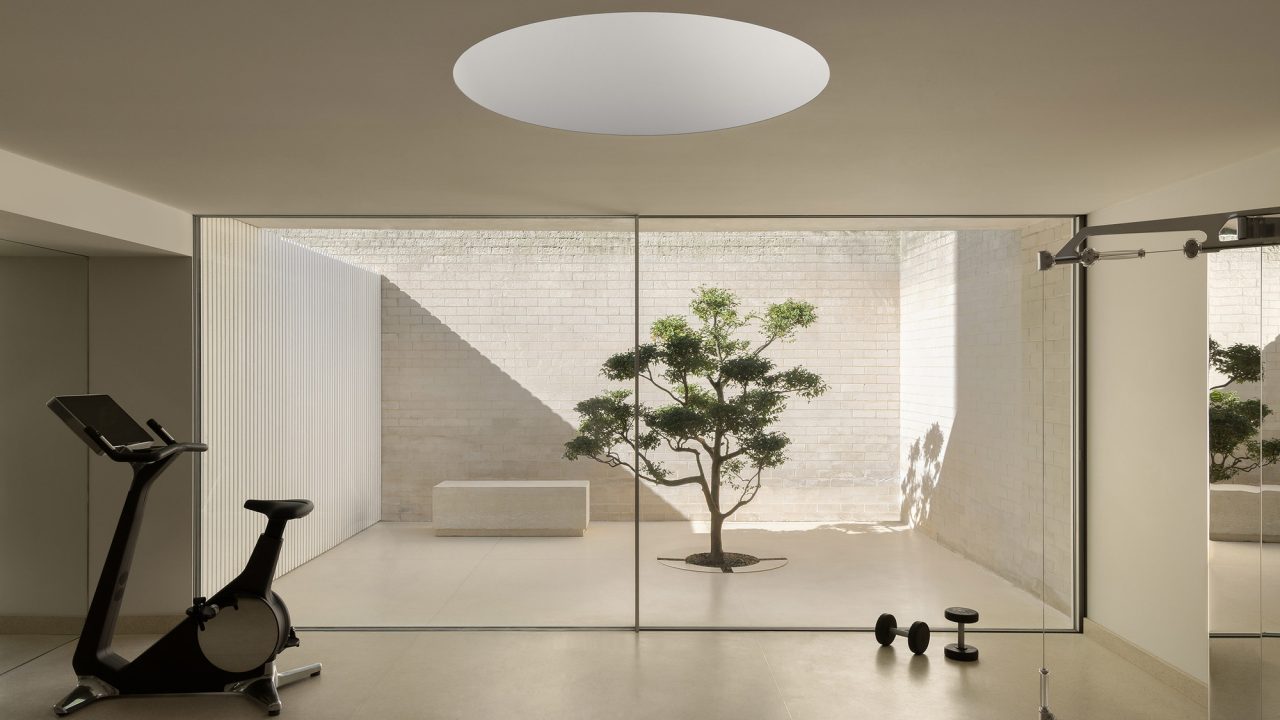
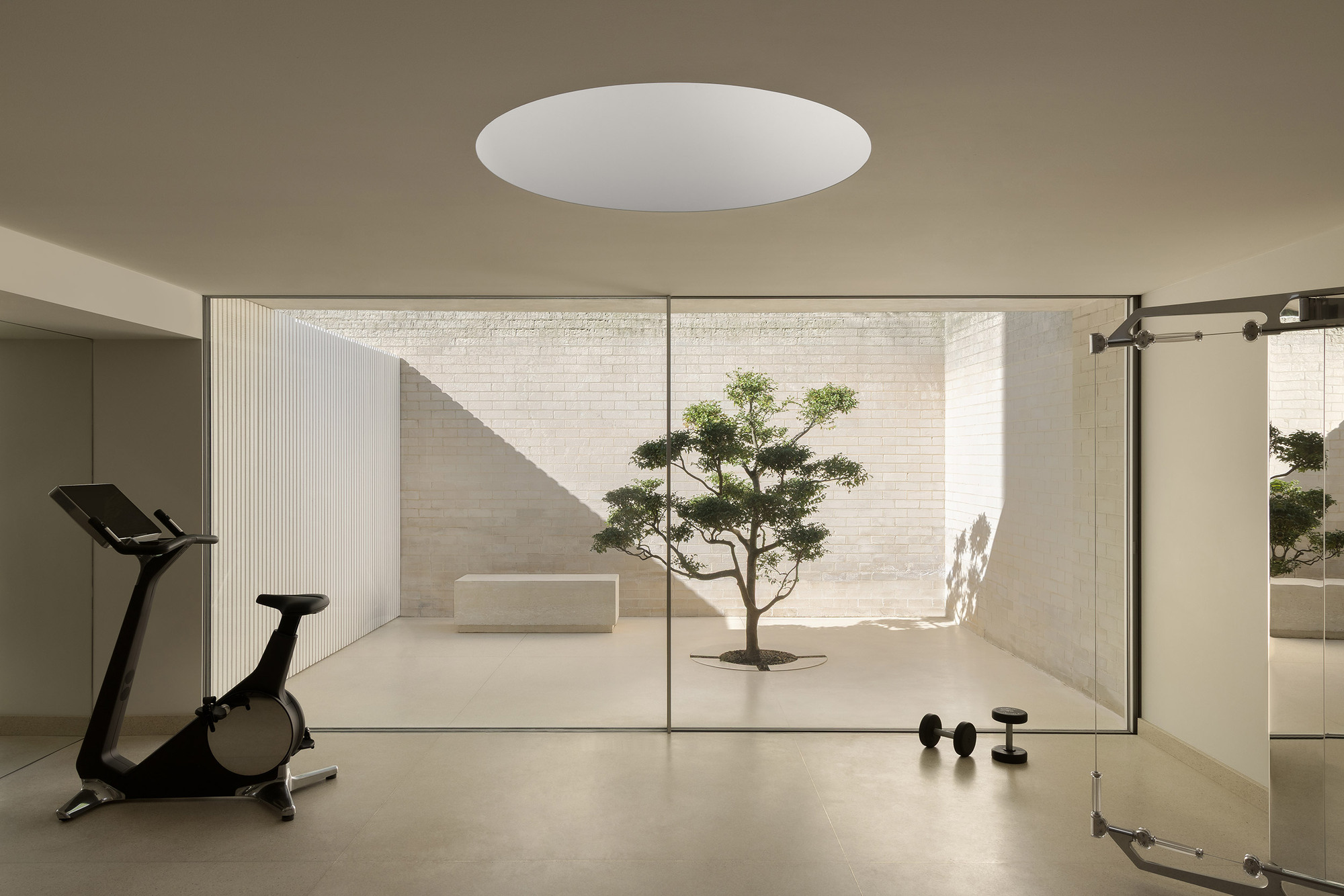
Wood Marsh has completed a thoughtful adaptive reuse project, transforming the ground level of Fairlie, one of Melbourne’s significant heritage residential buildings, into the Fairlie Wellness Centre. This intervention respects the modernist legacy of the 1961 structure while introducing a contemporary space dedicated to wellbeing.
Historic Context and Sensitive Intervention
Fairlie, originally designed by Yuncken Freeman Brothers, Griffiths & Simpson, stands as a notable example of early high-rise residential architecture in Melbourne. Completed in 1961, the building is celebrated for its distinct modernist expression, featuring prefabricated concrete frames, a non-loadbearing curtain wall system, and iconic arched pilotis that give the impression of a floating base. Its minimalist principles and refined detailing have earned it a heritage listing, underscoring its cultural significance.
The architectural approach for the Fairlie Wellness Centre was therefore one of careful consideration and sensitivity. Wood Marsh’s design engages with the existing fabric of the building, ensuring that the new program complements rather than competes with the original modernist architecture. The adaptive reuse of the ground level addresses the need for contemporary functional spaces within a structure that demands preservation.
Design Principles
The project embraces the minimalist ethos that defines Fairlie. By integrating a new wellness facility, Wood Marsh has aimed to create an environment that promotes health and tranquility, aligning with the building’s refined aesthetic. The design likely incorporates materials and spatial strategies that echo the clarity and precision found in the original construction, ensuring a cohesive experience for visitors and occupants.
The transformation from its original residential use to a wellness centre represents a contemporary response to urban heritage. It demonstrates how significant architectural assets can be re-purposed to meet current community needs without compromising their historical integrity. This approach is crucial for maintaining the architectural character of cities while encouraging sustainable development through adaptive reuse.
The project’s success lies in its ability to balance the demands of heritage protection with the creation of a functional, modern space. The Fairlie Wellness Centre stands as a testament to the enduring value of modernist architecture and the potential for sensitive interventions to revitalize these important structures.
Datos clave
| Aspecto | Detalle |
|—|—|
| Proyecto | Fairlie Wellness Centre |
| Arquitecto | Wood Marsh |
| Ubicación | Melbourne, Australia |
| Tipo de Intervención | Reutilización adaptativa en planta baja |
| Edificio Original | Fairlie Residential Building (1961) |
| Arquitectos Originales | Yuncken Freeman Brothers, Griffiths & Simpson |
This development is significant for Paionia7’s readership as it highlights successful adaptive reuse of heritage modernist architecture. It showcases how contemporary design can be integrated into historically important buildings, maintaining their cultural value while serving new purposes. The project offers insights into sensitive design interventions within protected structures, a topic of growing importance in urban development and architectural practice globally.
Fuente: ArchDaily – https://www.archdaily.com/1041860/fairlie-wellness-centre-wood-marsh
Datos clave
| Punto | Detalle |
|---|---|
| Fuente | ArchDaily |
| Fecha | 2026-05-27T19:00:00+00:00 |
| Tema | Fairlie Wellness Centre / Wood Marsh |
Source
ArchDaily Original publication: 2026-05-27T19:00:00+00:00
Related news

Handwoven Teak and Cord Outdoor Seating Debuts from Masaya and Abril Zepeda
Nicaraguan furniture brand Masaya has introduced two new handcrafted outdoor chairs — a rocking chair and a lounge chair — designed by…
Read more
Place in Mind: Hendricks Churchill Launches Hospitality Group to Revive Historic Properties
The architecture and interior design studio Hendricks Churchill has launched Place in Mind, a new hospitality group focused on acquiring, restoring, and…
Read more
Adalberto Dias Architects Complete Restoration of Lisbon’s Patriarchal Cathedral and Archaeological Center
The restoration of the Sé de Lisboa by Adalberto Dias Arquitecto integrates a new archaeological center, preserved cloisters, and seven centuries of…
Read more
Vantieghem Talebi’s ‘House of Cards’ Brings Timber Geometry to Belgian Family Home
A new family house in Belgium by US- and Swiss-based practice Vantieghem Talebi uses a steeply pitched, card-house-inspired form clad in Douglas-fir…
Read moreRelated wiki

Adaptive Reuse in Architecture
Reference page for reuse, retrofit, conversion, embodied carbon and design constraints.
Read more