
Paeonia ‘Duchesse de Nemours’: A Comprehensive Guide to This Classic Peony
Discover the enduring charm of Paeonia 'Duchesse de Nemours', a classic double-flowered peony known for its fragrant, snow-white blooms and robust growth. This guide covers its history, cultivation, care, and why it remains a favorite in gardens worldwide.
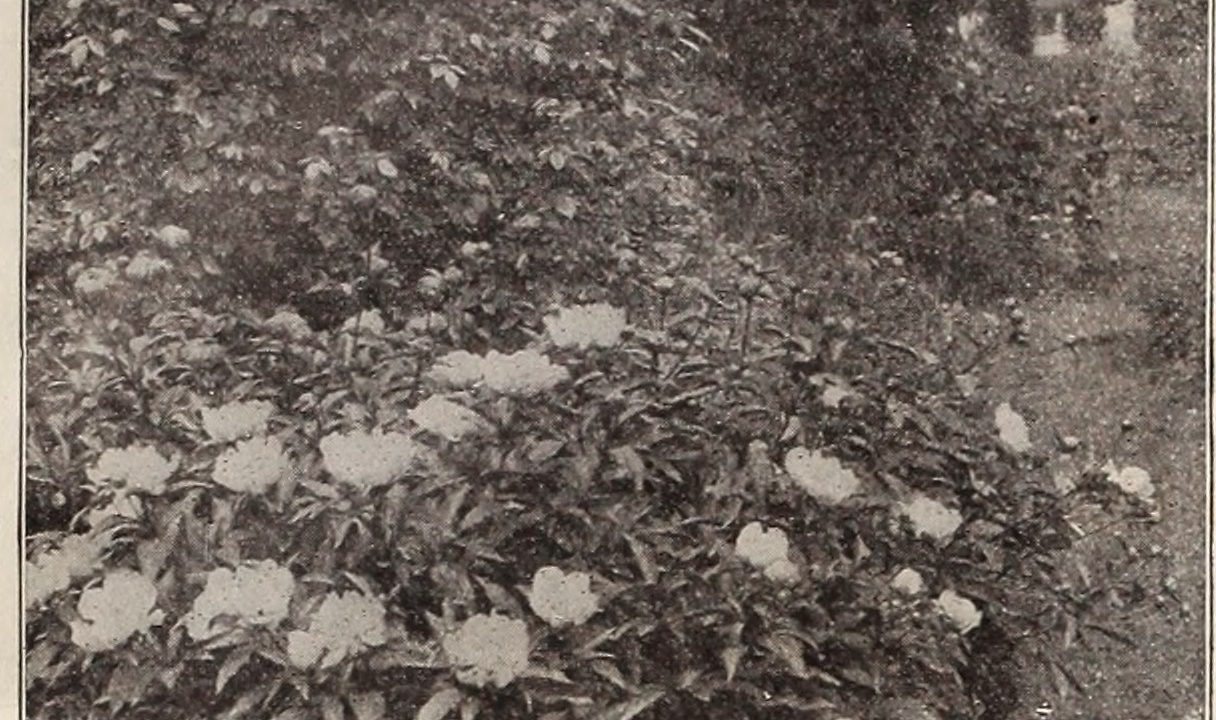
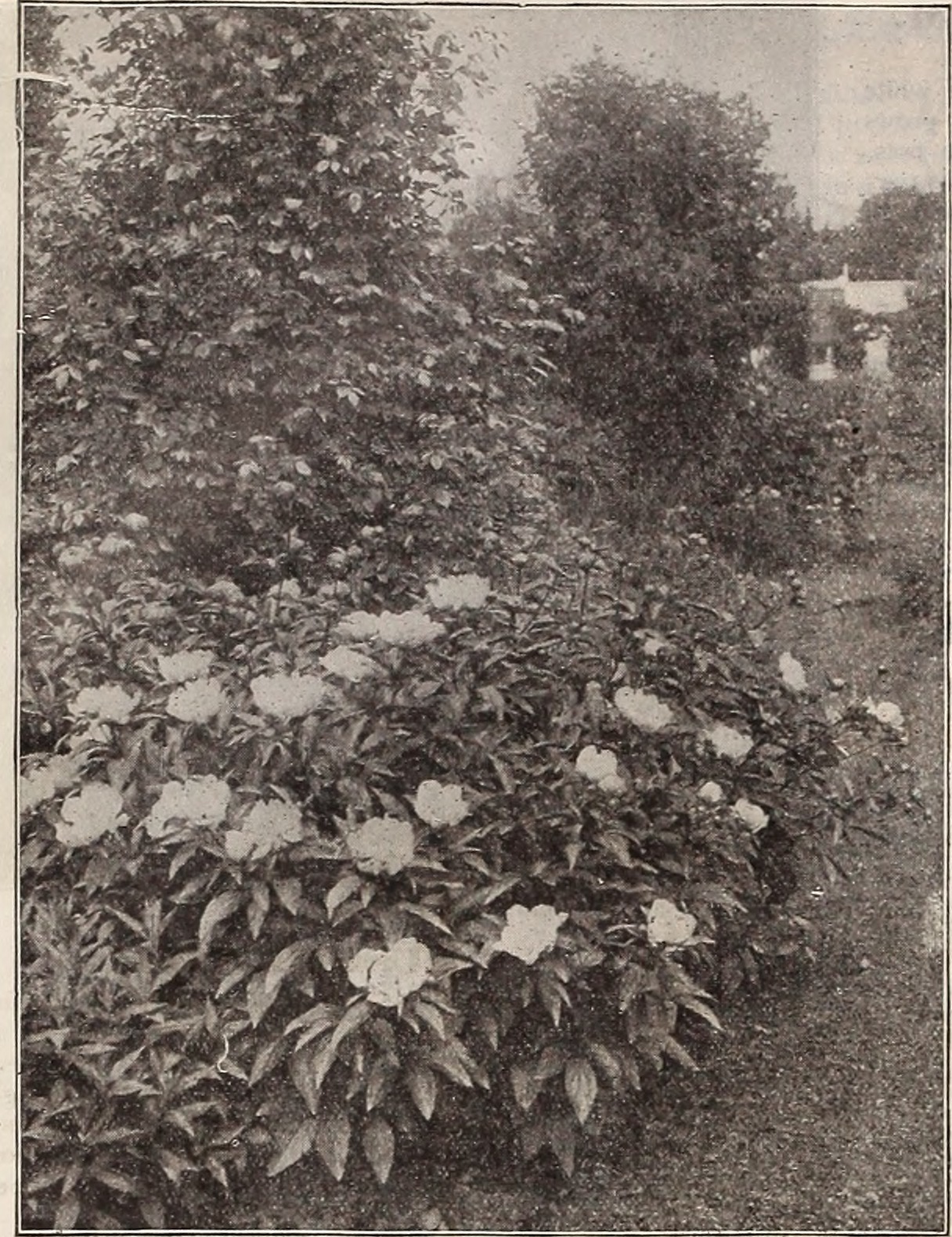
Paeonia ‘Duchesse de Nemours’: An Enduring Garden Classic
Paeonia ‘Duchesse de Nemours’ is a cultivar of peony that has captivated gardeners for generations. Renowned for its lush, double blooms of pure white and its intoxicating fragrance, this herbaceous perennial is a testament to the enduring appeal of classic floral beauty. Introduced in 1856 by the French breeder Calot, ‘Duchesse de Nemours’ has consistently held its place in garden design, celebrated for its reliable performance and exquisite appearance.
Origins and History
The history of Paeonia ‘Duchesse de Nemours’ is rooted in the golden age of peony breeding in France. Named in honor of the Duchess of Nemours, a member of the French aristocracy, this cultivar quickly gained popularity for its exceptional characteristics. Its introduction in the mid-19th century marked a significant contribution to the development of garden peonies, establishing a benchmark for double-flowered varieties with its perfect form and delightful scent.
Characteristics of ‘Duchesse de Nemours’
This peony cultivar is distinguished by several key features:
- Bloom Form: It boasts large, fully double flowers, often described as bomb-type or anemone-flowered. The petals are a pristine white, often with a very subtle green tinge in the center when newly opening. The blooms are densely packed with petals, creating a voluminous and luxurious effect.
- Fragrance: One of its most celebrated attributes is its strong, sweet, and classic peony fragrance, which can fill a garden on a warm day.
- Plant Habit: ‘Duchesse de Nemours’ forms a robust, bushy plant typically reaching 2-3 feet in height and width. The foliage is a deep, glossy green, providing an attractive backdrop for the flowers and remaining visually appealing throughout the growing season.
- Blooming Season: It is a mid-season bloomer, typically flowering in late spring to early summer, depending on the climate zone.
Cultivation and Planting
Successful cultivation of Paeonia ‘Duchesse de Nemours’ relies on providing the right conditions:
Planting Site Selection
- Sunlight: Peonies thrive in full sun, requiring at least six hours of direct sunlight per day. While they can tolerate partial shade, flowering may be reduced.
- Soil: Well-draining, fertile soil is crucial. Peonies do not perform well in waterlogged conditions, which can lead to root rot. Amending heavy clay soils with compost or organic matter is recommended.
- Air Circulation: Good air circulation helps prevent fungal diseases. Avoid planting too densely.
Planting Process
- Timing: The best time to plant peonies is in the fall, allowing the roots to establish before the onset of winter. Spring planting is also possible, but fall planting is generally preferred for better results.
- Depth: Peony roots should be planted with the eyes (the growing points) no more than 1-2 inches below the soil surface. Planting too deep is a common reason for poor flowering.
- Spacing: Space plants at least 3 feet apart to allow for mature growth and good air circulation.
Care and Maintenance
Proper care ensures a healthy plant and abundant blooms:
Watering
Newly planted peonies require consistent moisture. Once established, they are relatively drought-tolerant but benefit from regular watering during dry spells, especially when flowering. Avoid overhead watering, which can damage the blooms and promote disease.
Fertilizing
Peonies generally do not require heavy fertilization. A light application of a balanced, slow-release fertilizer in early spring, as new growth emerges, is usually sufficient. Avoid fertilizers high in nitrogen, which can encourage leafy growth at the expense of flowers.
Mulching
Applying a layer of organic mulch (such as compost, shredded bark, or pine needles) around the base of the plant helps retain soil moisture, suppress weeds, and regulate soil temperature. Keep the mulch a few inches away from the immediate stem to prevent rot.
Support
Due to their large, heavy blooms, Paeonia ‘Duchesse de Nemours’ can sometimes flop or require support. Staking the plants early in the season, before they begin to grow significantly, can help keep the flowers upright. Various peony support rings or cages are available for this purpose.
Pruning and Deadheading
- Deadheading: Remove spent blooms by cutting the flower stem back to a strong side leaf. This prevents the plant from expending energy on seed production and keeps the plant looking tidy.
- Fall Cleanup: In late fall, after the foliage has yellowed or been hit by frost, cut the stems back to about 2-3 inches above the ground. This removes any potential overwintering disease sources.
Pests and Diseases
While generally hardy, peonies can occasionally be susceptible to certain issues:
- Fungal Diseases: Powdery mildew and botrytis blight can affect peonies, especially in humid conditions or overcrowded plantings. Good air circulation, proper watering techniques, and prompt removal of infected plant parts can help manage these.
- Ants: Ants are often seen on peony buds in spring. They are attracted to the sugary nectar the buds produce and do not harm the plant; in fact, some believe they help protect the buds from other pests. They will disperse once the flowers open.
‘Duchesse de Nemours’ in the Garden
This versatile peony is a star performer in various garden settings:
- Borders and Beds: Its classic form and elegant blooms make it a perfect specimen plant or a magnificent addition to perennial borders.
- Cut Flowers: The long-lasting, fragrant blooms are ideal for cutting and bringing indoors to enjoy in arrangements. Cut stems in the early morning when the buds are just beginning to open.
- Foundation Plantings: Its substantial foliage provides good coverage as a foundation plant.
Comparison with Other Peony Varieties
While many beautiful peony cultivars exist, ‘Duchesse de Nemours’ stands out for its combination of classic form, strong fragrance, and reliable performance. Varieties like ‘Sarah Bernhardt’ offer larger, more ruffled pink blooms, while ‘Bowl of Beauty’ presents a unique anemone-style flower with a pink outer layer and a creamy white center. However, ‘Duchesse de Nemours’ remains a benchmark for pure white, intensely fragrant double peonies.
Frequently Asked Questions about Paeonia ‘Duchesse de Nemours’
What should readers know about Paeonia ‘Duchesse de Nemours’?
Readers should know that ‘Duchesse de Nemours’ is a mid-season blooming, double-flowered peony prized for its pure white color and strong, sweet fragrance. It requires full sun and well-draining soil, and proper planting depth (eyes 1-2 inches below surface) is crucial for flowering.
How should readers compare options around Paeonia ‘Duchesse de Nemours’?
When comparing ‘Duchesse de Nemours’ with other peonies, consider bloom form (double, single, anemone), color, fragrance intensity, bloom time, and plant habit. ‘Duchesse de Nemours’ excels in its classic double form, intense fragrance, and reliable white blooms.
What risks should be checked when growing ‘Duchesse de Nemours’?
The primary risks include planting too deep, which prevents flowering; poor drainage, leading to root rot; and potential fungal diseases like botrytis or powdery mildew in humid conditions. Ensuring good air circulation and proper soil conditions mitigates these risks.
How will this content stay updated?
This guide provides foundational information on Paeonia ‘Duchesse de Nemours’. For the most current horticultural advice, including new pest management strategies or regional planting recommendations, consult local horticultural societies, university extension offices, or reputable gardening resources.
Conclusion
Paeonia ‘Duchesse de Nemours’ is more than just a flower; it’s a piece of horticultural history and a garden treasure. Its timeless beauty, captivating fragrance, and robust nature make it an indispensable addition to any garden seeking classic elegance and enduring charm. With proper care and attention, this beloved peony will reward gardeners with breathtaking blooms year after year.
Source
Related news

Christopher Kane brings streamlined, heritage-driven vision to Mulberry in London Fashion Week debut
The Scottish designer presented his first collection for the British leather goods house at London Fashion Week, blending sharp tailoring, archival references…
Read more
When Film Directors Become Interior Designers: Guadagnino, Lynch, Anderson and Almodóvar Step Off Screen
From Luca Guadagnino’s Zara Home collection to David Lynch’s Paris club and Wes Anderson’s train carriage, a wave of collaborations is blurring…
Read more
Jesus Mari Lazkano Examines Changing Landscapes Through Painting and Animated Film at Basque Luxury Studio
The Basque artist’s exhibition ‘Azken Natura’ brings together six large-scale paintings and a 22-minute animated film that traces the melting of the…
Read more
Glenn Spiro opens intimate jewellery atelier in Mayfair with designer Valerie Name Bolaño
The London jewellery house’s new boutique at 26 Bruton Street blends antiques, bespoke furniture and a monochrome palette to create a residential…
Read moreRelated wiki

Adaptive Reuse in Architecture
Reference page for reuse, retrofit, conversion, embodied carbon and design constraints.
Read more