
The Future of Home Cinema: Integrating Immersive Technology into Modern Architecture
Modern home cinema design is evolving beyond just screens and sound, focusing on a holistic integration of technology, acoustics, and architecture for an unparalleled immersive experience.
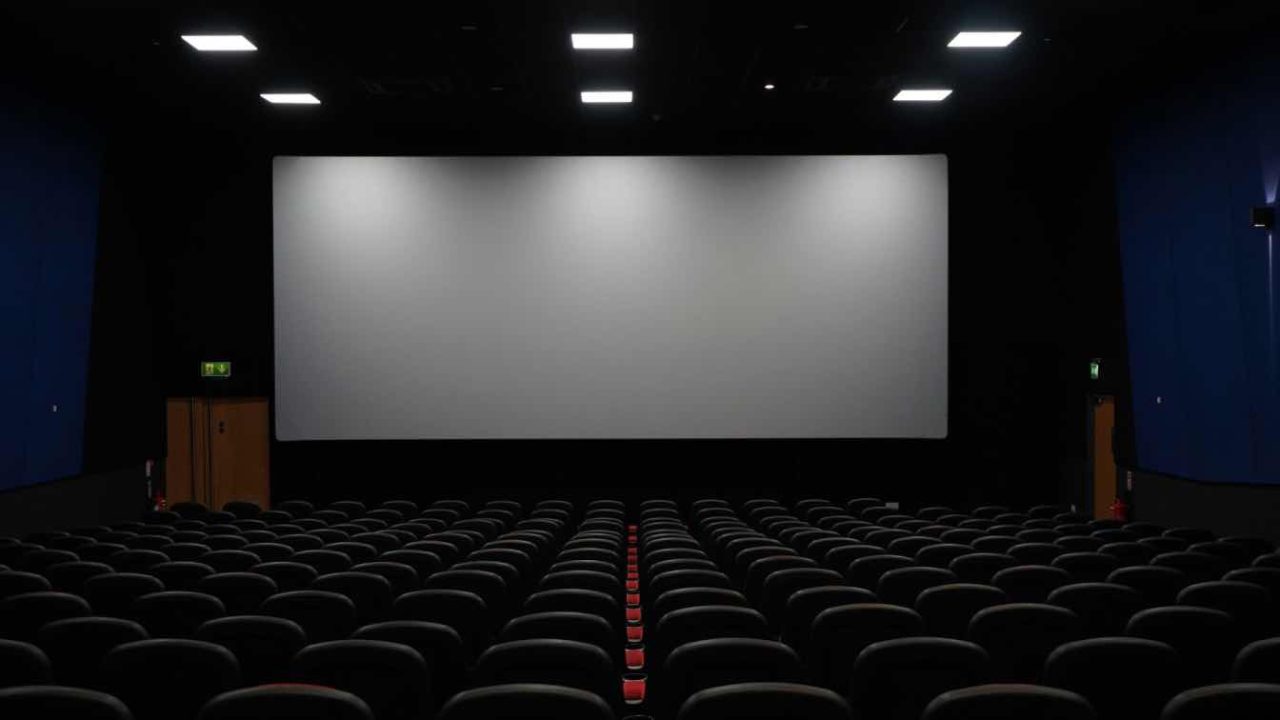
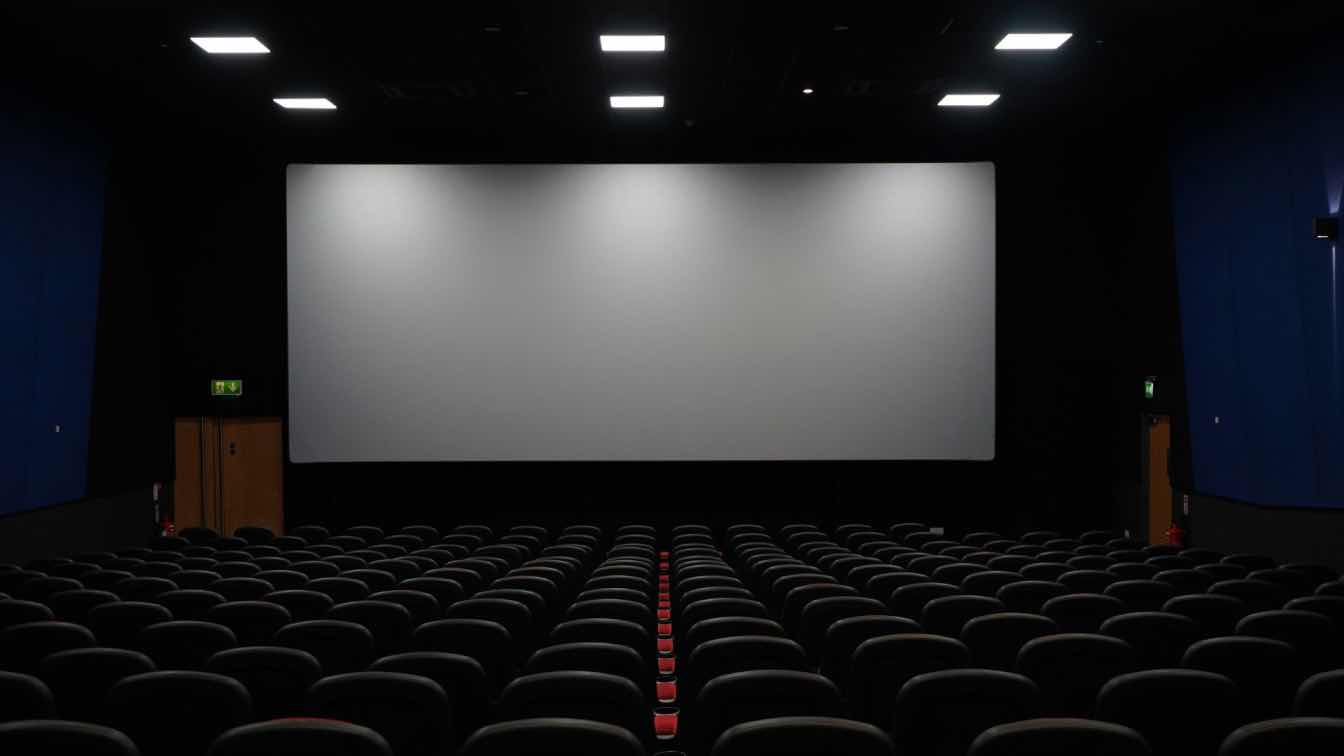
The design of modern home cinemas is increasingly shifting towards a comprehensive approach, where the screen, sound, seating, lighting, acoustics, and overall architecture are conceived as a single, unified environment from the outset. This integrated strategy aims to overcome common issues like an overwhelming screen, muddy dialogue, distracting light reflections, and uncomfortable seating, transforming spare rooms into purpose-built immersive spaces.
Architectural Integration is Key
A fundamental shift in cinema design emphasizes planning the space before construction is finalized. Decisions regarding speaker placement, projector throw distance, screen height, seating riser depth, cable routing, acoustic isolation, and lighting zones are all deeply intertwined with the room’s architecture. Attempting to retrofit these elements later often leads to compromises, such as suboptimal speaker positions due to pre-existing ceiling joists or lighting glare on the screen from a layout designed for general living.
A purpose-built room allows designers to align structure, technology, and comfort seamlessly, ensuring that even premium technology and luxury seating perform at their best within a well-proportioned and acoustically optimized space. Key architectural decisions for a dedicated luxury cinema include defining the primary viewing position early, centering the main seating on the screen and sound field, reserving wall depth for acoustic treatment and concealed speakers, and planning ceiling space for immersive audio formats like Dolby Atmos.
Advanced Acoustic Planning
Effective acoustic planning is crucial for an immersive experience. This involves analyzing the room’s modal responses, particularly for low-frequency sounds (bass), which can otherwise build up unevenly across different seating positions. By understanding these room dimensions and their impact on sound, designers can strategically implement absorption, diffusion, reflection control, and precise speaker and subwoofer placement before the room is finished.
The Imagine This basement cinema project, cited as an example, utilized acoustic response analysis to inform final treatment decisions. This meticulous approach ensures that the sound design complements the architectural elements, with fabric walls concealing acoustic panels and loudspeakers, contributing to a visually calm and acoustically superior environment.
Immersive Technology and Display Choices
The future of cinema design is not merely about larger screens or more speakers, but the deep integration of entertainment, comfort, acoustics, lighting, and control systems. This includes options like high-end projectors with fixed screens, motorized screens that retract when not in use, or large 4K or 8K displays.
Projection technology remains a strong contender for dedicated rooms, supporting very large image sizes and a traditional cinematic feel. Laser projectors, for instance, offer excellent color, contrast, and brightness when paired with proper light control. For multi-purpose rooms where controlling ambient light is challenging, large OLED or similar displays might be more suitable, though they tend to present the screen as a permanent fixture.
An acoustically transparent screen, as used in the Imagine This project with a 140-inch Screen Research screen, allows front speakers to be placed behind the display. This technique ensures that dialogue appears to emanate directly from the actors on screen, enhancing the sense of realism and immersion.
Synergy with Adjacent Spaces
In high-end homes, the cinema room is increasingly planned in conjunction with adjacent spaces such as bars, lounges, games rooms, and wellness areas. This integration requires a cohesive design aesthetic, ensuring the cinema’s finish coordinates with the rest of the home. The Imagine This project opted for a warm, elegant finish that harmonized with the neighboring games and bar room, avoiding a disconnected, themed cinema feel.
A dedicated projection room, as implemented in some luxury projects, offers further advantages by housing the projector outside the main seating area. This removes projector noise and heat, simplifies maintenance, and contributes to a cleaner architectural finish within the cinema itself. Where a separate projection room is not feasible, ventilated projector enclosures or short-throw projectors can be considered, though these choices must be made early in the design process due to their impact on ceiling height and access.
Key facts
| Aspect | Detail |
| :——————— | :——————————————————————————————– |
| Design Focus | Holistic integration of screen, sound, seating, lighting, acoustics, and architecture. |
| Key Architectural Needs| Early planning for speaker placement, acoustics, lighting zones, and equipment access. |
| Acoustic Strategy | Analysis of room modes for bass response, strategic placement of absorption and diffusion. |
| Display Options | High-end projectors, motorized screens, large 4K/8K displays, acoustically transparent screens. |
| Integration | Synergy with adjacent entertainment spaces like bars and lounges. |
This evolving approach to home cinema design underscores the importance of architectural planning and technological integration. For homeowners and architects, understanding these principles is key to creating truly immersive and comfortable entertainment experiences that are seamlessly woven into the fabric of modern residential design.
Source: Amazing Architecture – The Future of Cinema Design: Integrating Immersive Technology into Modern Home Architecture – https://amazingarchitecture.com/articles/the-future-of-cinema-design-integrating-immersive-technology-into-modern-home-architecture
Datos clave
| Punto | Detalle |
|---|---|
| Fuente | Amazing Architecture |
| Fecha | 2026-06-13T15:40:36+00:00 |
| Tema | The Future of Cinema Design: Integrating Immersive Technology into Modern Home Architecture |
Source
Amazing Architecture Original publication: 2026-06-13T15:40:36+00:00
Related news
Koto launches Haku, a mobile prefab hotel suite built on a wheeled chassis to bypass UK planning restrictions
UK architecture studio Koto has unveiled Haku, a fully mobile prefabricated suite that legally qualifies as a caravan, allowing landowners and hotel…
Read more
HONG Designworks Completes Private Office in Xi’an That Balances Memory, Materiality, and Long-Term Use
The Xi’an office by HONG Designworks integrates a folded steel staircase, retained furniture from a previous workspace, and a restrained purple-gray palette…
Read more
Handwoven Teak and Cord Outdoor Seating Debuts from Masaya and Abril Zepeda
Nicaraguan furniture brand Masaya has introduced two new handcrafted outdoor chairs — a rocking chair and a lounge chair — designed by…
Read more
Place in Mind: Hendricks Churchill Launches Hospitality Group to Revive Historic Properties
The architecture and interior design studio Hendricks Churchill has launched Place in Mind, a new hospitality group focused on acquiring, restoring, and…
Read moreRelated wiki

Adaptive Reuse in Architecture
Reference page for reuse, retrofit, conversion, embodied carbon and design constraints.
Read more