Advanced Protective Roof Layers Enhance Building Durability and Energy Efficiency
Innovative polymer technology in roof coatings offers superior waterproofing, thermal performance, and climate resilience, leading to significant energy savings and extended building lifespan.
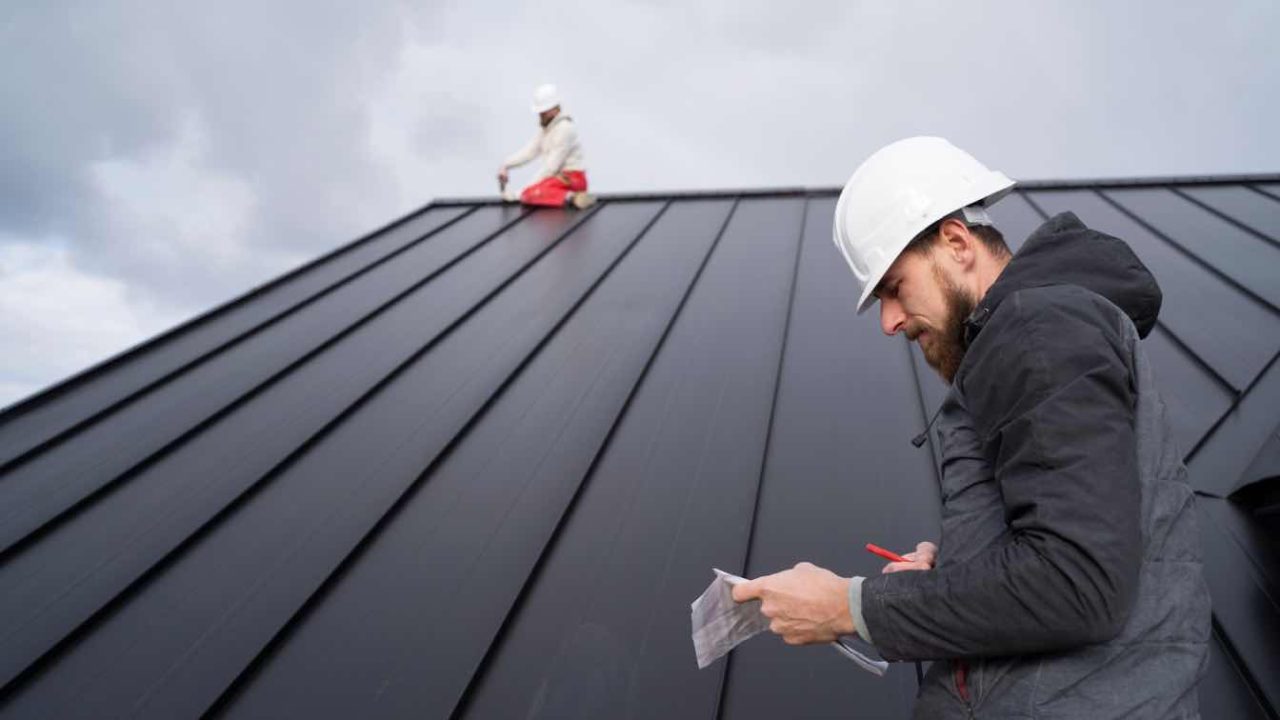
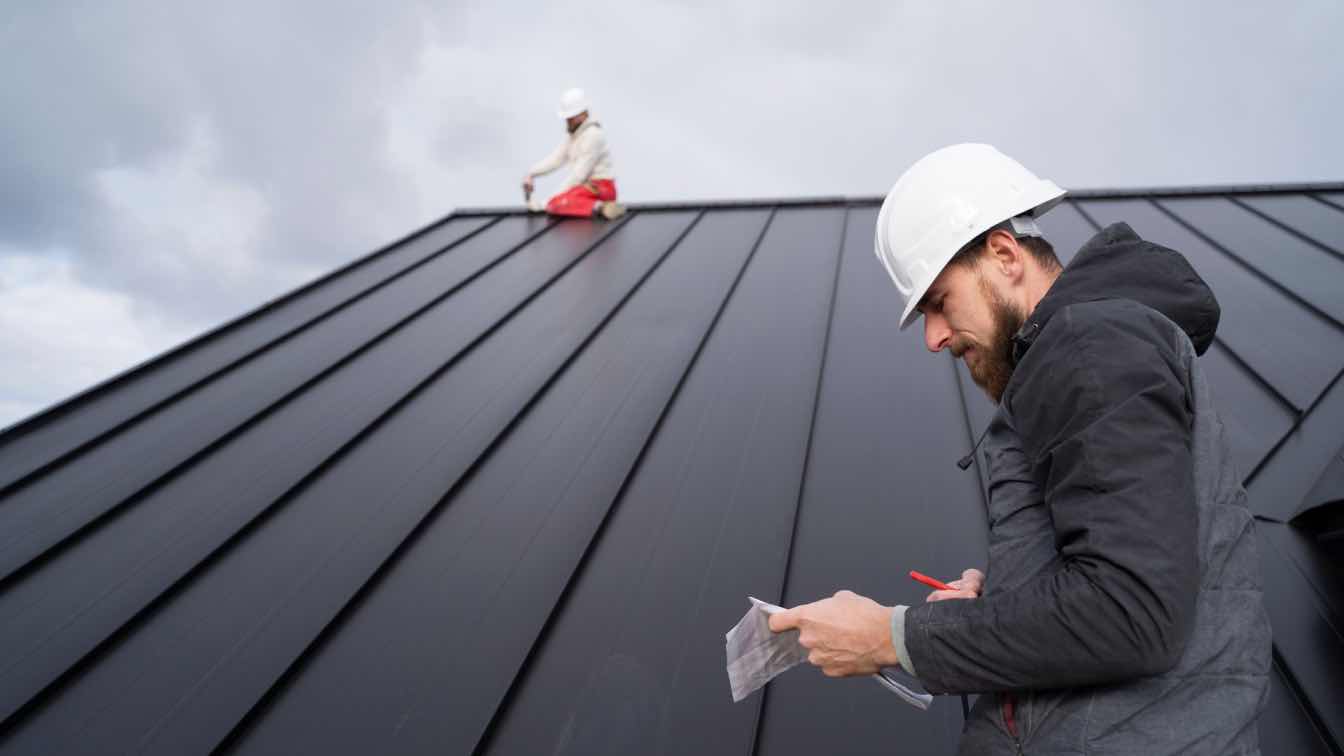
Modern architectural designs increasingly depend on sophisticated protective roof layers to shield building envelopes from challenging climate conditions. The selection of appropriate polymer formulations is crucial, requiring a thorough understanding of materials science and structural engineering to ensure long-term sustainability and performance.
These engineered coatings do more than prevent immediate water damage; they actively enhance thermal performance, reduce structural stress, and adapt to evolving climate demands, making material design a paramount consideration for property management.
Optimizing Thermal Performance
High-performance roof coatings are engineered to combat intense solar radiation and mitigate the urban heat island effect. By reflecting a substantial portion of sunlight, these layers prevent excessive heat buildup within buildings. Recent studies indicate that advanced, scalable coatings can achieve sub-ambient cooling of up to 7.4 °C under direct sunlight. This significant temperature reduction can alleviate the burden on building HVAC systems, offering a considerable advantage over traditional commercial paints. Implementing these advanced formulations has demonstrated a potential reduction in electricity use by up to 37% compared to conventional paints in pilot-scale testing, highlighting the financial and environmental benefits of specialized, reflective materials.
Ensuring Mechanical Resilience
Mechanical resilience is another critical aspect of modern protective roof design. Elastomeric barriers must be capable of continuous expansion and contraction in response to daily thermal fluctuations without developing cracks, peeling, or premature degradation. Material selection is key to a protective roof layer’s ability to withstand environmental and structural stresses.
By engineering specific chemical formulations, such as silicone and acrylic roof coatings, developers can precisely tailor the physical properties of flat roofing systems. Each material class offers distinct advantages in long-term moisture resistance and application. Academic research suggests that silicone/acrylic (S/A) membranes typically exhibit tensile strengths between 1 and 5 MPa, with elongation at break values ranging from 200% to 600%, depending on polymer composition and filler content.
Withstanding Environmental Degradation
Beyond mechanical stress, high-tier roof layers must resist continuous environmental degradation from factors like acid rain, industrial pollution, and intense ultraviolet (UV) radiation, which can break down basic polymer chains. Advanced topcoats incorporate specialized chemical UV stabilizers to prevent premature weathering. These additives absorb or scatter destructive UV wavelengths, preserving the underlying chemical matrix for decades of reliable performance. Furthermore, superior chemical engineering prevents pooling water from degrading or softening the cured membrane surface, ensuring a waterproof barrier even during prolonged periods of severe weather and standing water.
Adapting to Architectural Nuances
Every low-slope or flat roof presents unique architectural details, transitions, and substrate compositions. Protective barrier layers must adhere effectively to diverse materials, including concrete, metal, and modified bitumen, to create an unbroken, waterproof shield. Liquid-applied elastomeric coatings offer exceptional versatility, conforming easily to complex roof geometries, mechanical curbs, and pipe penetrations. This seamless application method eliminates the problematic seams found in traditional sheet-based roofing systems, preventing lateral moisture migration beneath the surface and ensuring that localized damage does not lead to widespread leaks.
The complex design considerations for advanced protective roof layers involve a careful balance of thermal efficiency and mechanical resilience. Utilizing modern polymer chemistry transforms passive structures into active, energy-saving assets. Investing in high-performance protective coatings ensures long-term building durability while minimizing environmental impact. As engineering advances, these innovative barrier layers will remain vital for sustainable, climate-resilient urban infrastructure projects worldwide.
Key facts
| Feature | Benefit |
|—|—|
| Reflective coatings | Up to 7.4 °C sub-ambient cooling under sunlight |
| Energy savings | Up to 37% reduction in electricity use for cooling |
| Elastomeric properties | High tensile strength (1-5 MPa) and elongation (200-600%) |
| UV stabilizers | Prevents premature weathering and material degradation |
These advanced protective roof layers are crucial for modern construction, offering significant benefits in terms of energy savings, structural integrity, and environmental resilience, making them a key component for sustainable and durable buildings.
Source: Amazing Architecture, https://amazingarchitecture.com/articles/design-considerations-behind-advanced-protective-roof-layers
Datos clave
| Punto | Detalle |
|---|---|
| Fuente | Amazing Architecture |
| Fecha | 2026-06-13T15:40:33+00:00 |
| Tema | Design Considerations Behind Advanced Protective Roof Layers |
Source
Amazing Architecture Original publication: 2026-06-13T15:40:33+00:00
Related news
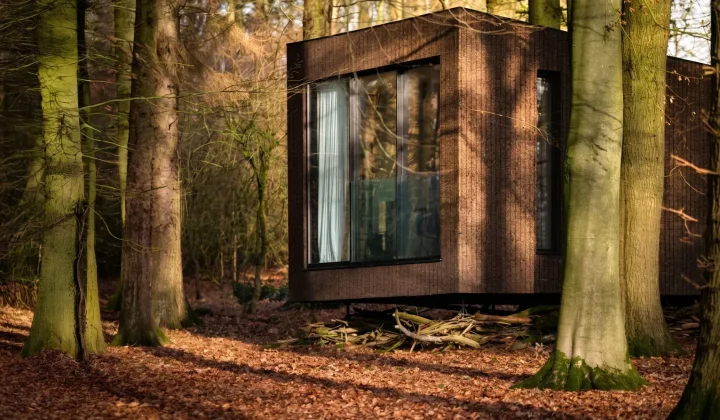
Koto launches Haku, a mobile prefab hotel suite built on a wheeled chassis to bypass UK planning restrictions
UK architecture studio Koto has unveiled Haku, a fully mobile prefabricated suite that legally qualifies as a caravan, allowing landowners and hotel…
Read more
HONG Designworks Completes Private Office in Xi’an That Balances Memory, Materiality, and Long-Term Use
The Xi’an office by HONG Designworks integrates a folded steel staircase, retained furniture from a previous workspace, and a restrained purple-gray palette…
Read more
Handwoven Teak and Cord Outdoor Seating Debuts from Masaya and Abril Zepeda
Nicaraguan furniture brand Masaya has introduced two new handcrafted outdoor chairs — a rocking chair and a lounge chair — designed by…
Read more
Place in Mind: Hendricks Churchill Launches Hospitality Group to Revive Historic Properties
The architecture and interior design studio Hendricks Churchill has launched Place in Mind, a new hospitality group focused on acquiring, restoring, and…
Read moreRelated wiki

Adaptive Reuse in Architecture
Reference page for reuse, retrofit, conversion, embodied carbon and design constraints.
Read more