
Smart Toilets Rise in Popularity, Offering Enhanced Comfort and Hygiene Over Traditional Fixtures
As bathrooms evolve into spaces prioritizing comfort and hygiene, smart toilets are gaining traction, offering features like heated seats and touchless operation, challenging the long-standing reign of traditional toilets.
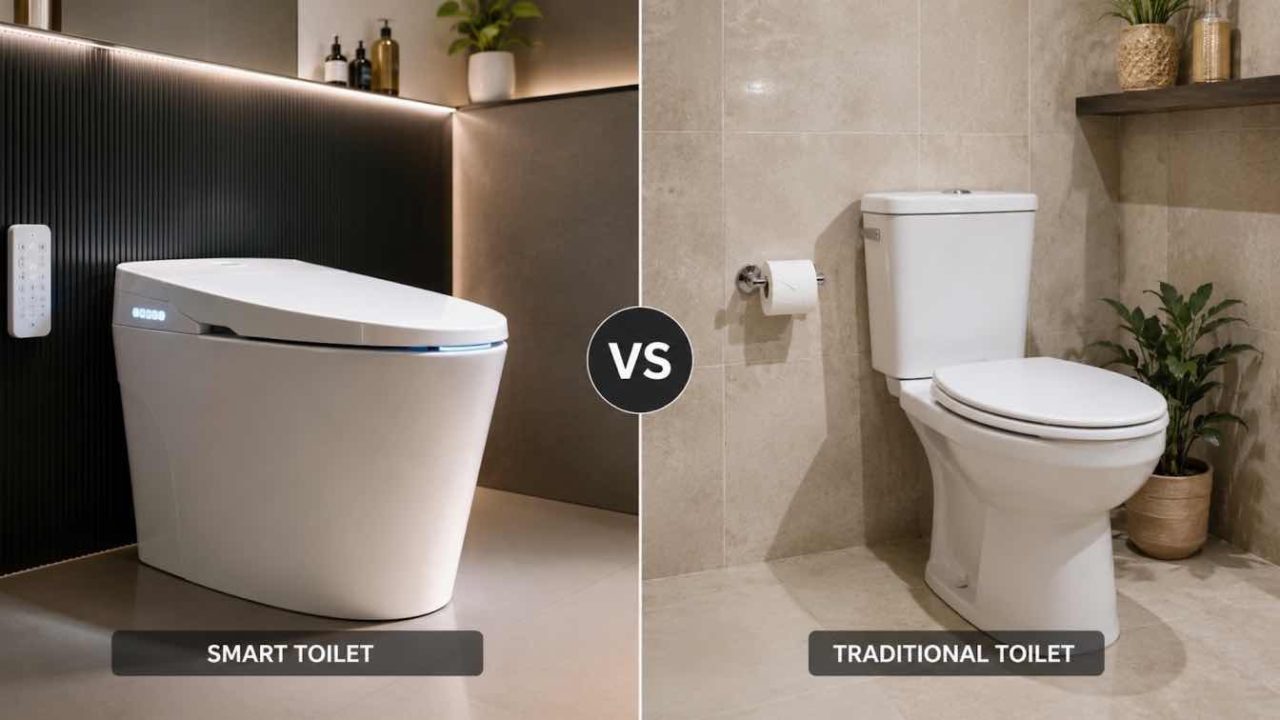
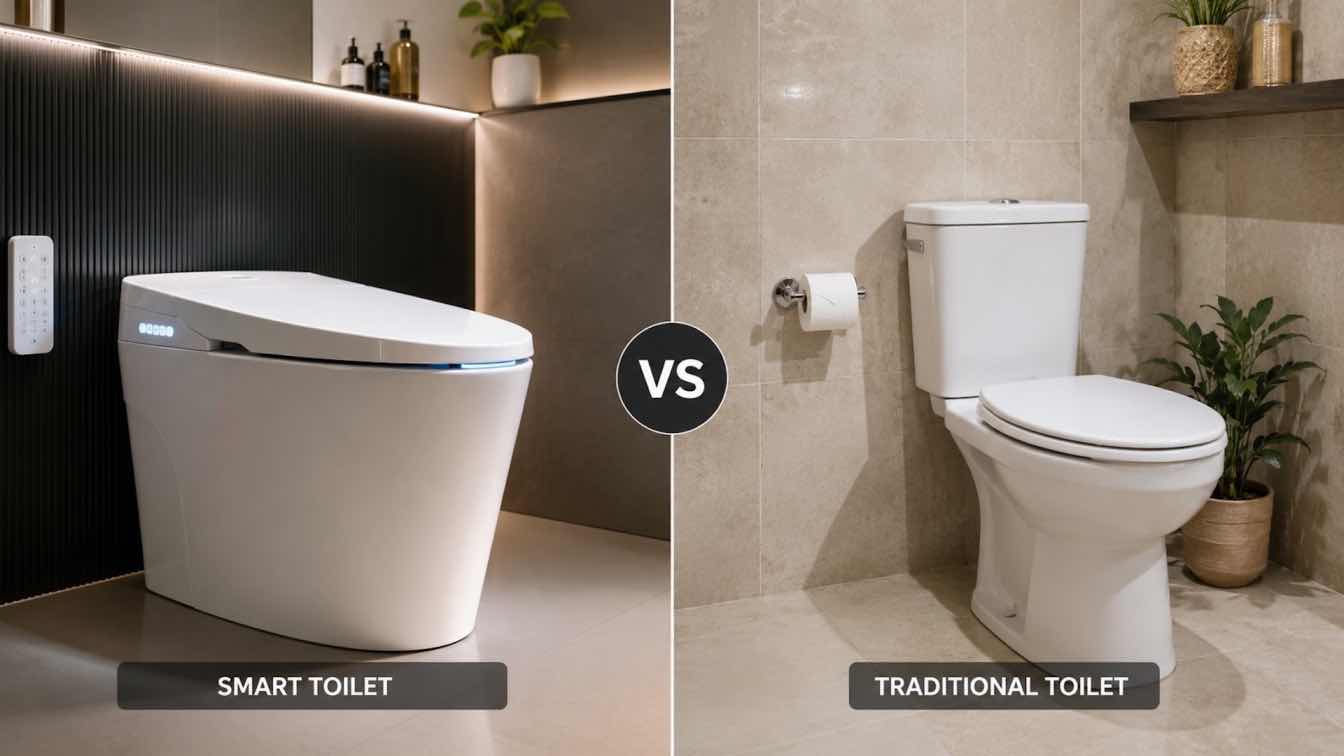
Bathrooms are increasingly transitioning from purely functional areas to spaces that emphasize comfort, hygiene, and convenience. This shift has fueled the rise of smart toilets, which offer a range of technological advancements over their traditional counterparts. While traditional toilets remain a familiar and reliable option, smart toilets are becoming a sought-after feature in modern home designs, appealing to homeowners seeking an elevated bathroom experience.
The fundamental function of both toilet types remains the same, but the user experience can differ significantly. Traditional toilets are characterized by their simplicity, featuring a standard flushing system and a basic toilet seat. In contrast, smart toilets are engineered to enhance comfort and hygiene through integrated features. These often include heated seats, automatic flushing, self-cleaning functions, and touchless operation, all designed to improve the daily routine.
Growing Demand for Bathroom Technology
The increasing popularity of smart toilets is closely linked to evolving consumer expectations for bathrooms. Features that were once considered luxuries are now becoming integral to daily life. The comfort provided by a heated seat during colder months, for instance, quickly becomes a highly valued amenity. Similarly, touch-free operation addresses a growing concern for enhanced hygiene in homes.
Key features that distinguish smart toilets include:
* Heated seats for increased comfort in cooler temperatures.
* Touchless technology to minimize physical contact with surfaces.
* Automatic flushing systems for added convenience.
* Modern aesthetics that complement contemporary bathroom designs.
The Enduring Appeal of Traditional Toilets
Despite the technological advancements of smart toilets, traditional toilets continue to be a prevalent choice for many households. Their appeal lies in their inherent simplicity, ease of installation, and straightforward maintenance. Traditional toilets do not require electrical connections or complex technology to operate, making them a dependable and practical solution.
Advantages of traditional toilets include:
* Simple installation and operation.
* Lower initial costs compared to most smart toilets.
* Easy maintenance with fewer components prone to technical failure.
* Wide compatibility with various bathroom styles and existing plumbing.
Choosing the Right Fit for Your Bathroom
For individuals aiming to create a modern and future-ready living space, smart toilets often align seamlessly with contemporary design principles. They cater to homeowners who desire a fusion of functionality and advanced technology. Features like heated seats and automatic flushing contribute to a more premium bathroom experience.
However, traditional toilets remain a solid choice for those who prioritize simplicity and a focus on practical, no-fuss functionality. The decision between a smart and traditional toilet often hinges on personal daily habits and priorities rather than simply following trends.
Key facts
| Feature | Smart Toilet | Traditional Toilet |
|---|---|---|
| Comfort | High (e.g., heated seat) | Basic |
| Hygiene | Enhanced (e.g., touchless, self-cleaning) | Standard |
| Technology | Integrated advanced features | Minimal to none |
| Cost | Higher upfront and potential installation costs | Lower upfront and installation costs |
| Maintenance | Potentially more complex due to technology | Simple and straightforward |
| Installation | May require electrical connection | Standard plumbing connection |
Practical Considerations for Purchase
Before making a decision, several practical factors warrant careful consideration. Budget is often a primary concern, as smart toilets typically come with a higher price tag due to their integrated technology. Installation requirements can also differ, particularly if electrical hookups are necessary for smart features.
Ultimately, the choice between a smart toilet and a traditional toilet is a personal one. It depends on individual lifestyles and what is valued most in a bathroom environment. Some individuals are drawn to advanced features and enhanced comfort, while others prefer a dependable fixture that reliably performs its basic function. The “better” option is not necessarily the most technologically advanced, but the one that best suits your specific needs and daily routine.
Premium solutions, such as those offered by Jaquar Toilets, are emerging that blend contemporary design with advanced functionality, catering to homeowners looking to create stylish and sophisticated smart bathrooms.
Source: Amazing Architecture – Smart Toilet vs Traditional Toilet: Which One Is Better? https://amazingarchitecture.com/articles/smart-toilet-vs-traditional-toilet-which-one-is-better
Source
Amazing Architecture Original publication: 2026-06-13T15:31:39+00:00
Related news
Koto launches Haku, a mobile prefab hotel suite built on a wheeled chassis to bypass UK planning restrictions
UK architecture studio Koto has unveiled Haku, a fully mobile prefabricated suite that legally qualifies as a caravan, allowing landowners and hotel…
Read more
HONG Designworks Completes Private Office in Xi’an That Balances Memory, Materiality, and Long-Term Use
The Xi’an office by HONG Designworks integrates a folded steel staircase, retained furniture from a previous workspace, and a restrained purple-gray palette…
Read more
Handwoven Teak and Cord Outdoor Seating Debuts from Masaya and Abril Zepeda
Nicaraguan furniture brand Masaya has introduced two new handcrafted outdoor chairs — a rocking chair and a lounge chair — designed by…
Read more
Place in Mind: Hendricks Churchill Launches Hospitality Group to Revive Historic Properties
The architecture and interior design studio Hendricks Churchill has launched Place in Mind, a new hospitality group focused on acquiring, restoring, and…
Read moreRelated wiki

Adaptive Reuse in Architecture
Reference page for reuse, retrofit, conversion, embodied carbon and design constraints.
Read more