
Casey Brown Architecture Unveils Corten “Tent” Cabins in Australian Landscape
Australian studio Casey Brown Architecture has designed two boutique accommodation cabins, named Permanent Camping III, that emulate the form of pitched tents using Corten steel.


Australian architectural practice Casey Brown Architecture has introduced a distinctive accommodation project comprising two cabins that draw inspiration from the simple silhouette of pitched tents. Located in New South Wales, Australia, these structures are named Permanent Camping III (PC3) and are designed for short-stay boutique accommodation.
Nestled on a working cattle farm near the town of Orange, the PC3 project is situated on Wiradjuri Country, the ancestral lands of the largest Aboriginal nation in New South Wales. The design aims to blend seamlessly with its rural surroundings while offering a unique lodging experience.
Por que importa
The cabins are constructed using Corten steel, a weathering steel that develops a stable, rust-like appearance over time. This material choice not only contributes to the distinctive aesthetic of the “tents” but also ensures durability and low maintenance in the Australian climate. The form of the cabins directly references the triangular shape of a pitched tent, creating a recognizable yet abstract architectural statement against the natural landscape.
Permanent Camping III is designed to provide a high-quality, immersive experience for guests seeking a connection with the rural environment. The project represents an innovative approach to accommodation design, merging architectural form with the practicalities of a working farm setting.
Contexto
The location in Wiradjuri Country underscores a sensitivity to the Indigenous heritage of the region, although specific details on how this is expressed architecturally are not detailed in the provided summary. The project’s placement on a cattle farm suggests an integration with the agricultural activities of the area, potentially offering guests a glimpse into rural Australian life.
Casey Brown Architecture’s design for PC3 highlights a trend in boutique accommodation that emphasizes unique architectural experiences and a strong connection to place. The use of Corten steel and the tent-like form are key elements that define the project’s identity and its visual impact.
The development of PC3 as a short-stay accommodation points to the growing market for distinctive travel experiences, where design and location play crucial roles in attracting visitors. The project is positioned to offer a serene and aesthetically engaging retreat for those looking to escape the urban environment.
Key facts
| Feature | Description |
|—|—|
| Project Name | Permanent Camping III (PC3) |
| Architect | Casey Brown Architecture |
| Location | Near Orange, New South Wales, Australia |
| Material | Corten steel |
| Design Inspiration | Pitched tents |
| Purpose | Boutique short-stay accommodation |
This project is relevant to Paionia7 readers interested in innovative architectural solutions for accommodation, the use of distinctive materials like Corten steel, and contemporary design projects in unique landscape settings. The integration of architectural form with the rural Australian context offers insights into how design can respond to both environmental and experiential demands.
Source: Dezeen, https://www.dezeen.com/2026/06/14/permanent-camping-3-casey-brown-architecture-new-south-wales-australia/
Datos clave
| Punto | Detalle |
|---|---|
| Fuente | Dezeen |
| Fecha | 2026-06-14T10:00:28+00:00 |
| Tema | Casey Brown Architecture pitches Corten "tents" in Australia |
Source
Dezeen Original publication: 2026-06-14T10:00:28+00:00
Related news

Handwoven Teak and Cord Outdoor Seating Debuts from Masaya and Abril Zepeda
Nicaraguan furniture brand Masaya has introduced two new handcrafted outdoor chairs — a rocking chair and a lounge chair — designed by…
Read more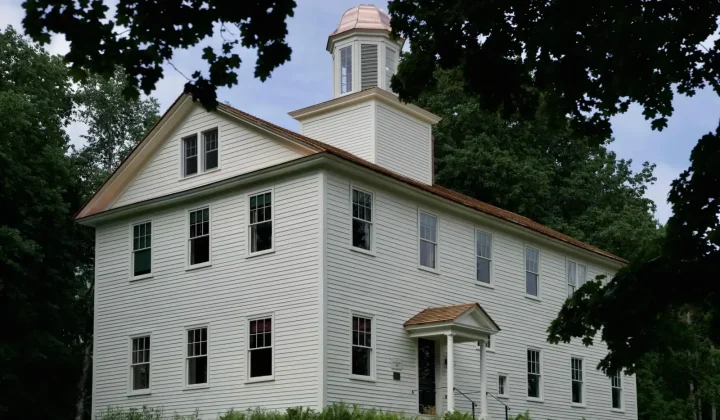
Place in Mind: Hendricks Churchill Launches Hospitality Group to Revive Historic Properties
The architecture and interior design studio Hendricks Churchill has launched Place in Mind, a new hospitality group focused on acquiring, restoring, and…
Read more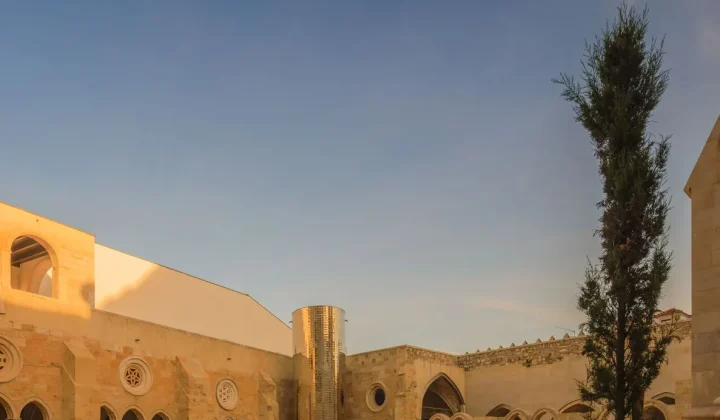
Adalberto Dias Architects Complete Restoration of Lisbon’s Patriarchal Cathedral and Archaeological Center
The restoration of the Sé de Lisboa by Adalberto Dias Arquitecto integrates a new archaeological center, preserved cloisters, and seven centuries of…
Read more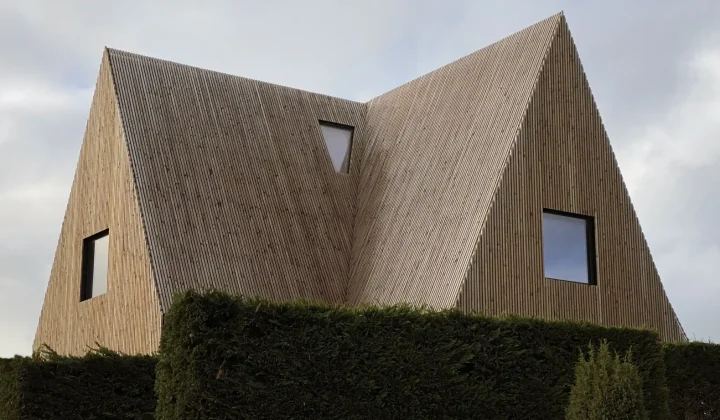
Vantieghem Talebi’s ‘House of Cards’ Brings Timber Geometry to Belgian Family Home
A new family house in Belgium by US- and Swiss-based practice Vantieghem Talebi uses a steeply pitched, card-house-inspired form clad in Douglas-fir…
Read moreRelated wiki

Adaptive Reuse in Architecture
Reference page for reuse, retrofit, conversion, embodied carbon and design constraints.
Read more