How to Read Project Changes in Architecture and Urban Design
A reliable project analysis starts by checking what version of a scheme you are looking at, what documents support it, and which claims remain only provisional. This guide explains how to read design changes carefully when the public record is incomplete.
How to Read Project Changes in Architecture and Urban Design
Short answer
Summary: If a project appears to have “changed,” the first task is to confirm which version of the scheme you are actually looking at. Publicly circulated images, project pages, and news coverage may describe different moments in a project’s life. The safest reading is to separate three things: design intent, formally documented information, and verified built outcomes.
Date-checked note: This article was revised against the currently available source set provided for this assignment. Because that source set is limited, the guidance below is intentionally cautious and avoids project-specific claims that are not directly documented.
Why this topic needs caution
Architecture and urban design projects are often published long before they are complete. A proposal may be promoted through renderings; later coverage may discuss revisions; still later material may show the built result. Without a clear timeline, readers can easily mix those stages together and misread what a project actually is.
That matters beyond aesthetics. UNEP identifies cities as a major area of work in resource efficiency, so claims about materials, reuse, transport, or broader environmental benefit deserve careful reading rather than repetition from promotional language alone.
What usually changes in a project record
The available sources support a careful general point: architecture coverage often presents projects through images, summaries, and evolving descriptions rather than through a single final record. In practice, that means apparent change may come from one of several shifts: a different project stage, updated visuals, revised descriptions, or later evidence about the built result.
Version changes
A project may appear in one form at announcement stage and another in later coverage. When that happens, readers should avoid assuming that the earliest published material remains current.
Claim changes
Environmental and public-impact language may also shift over time. A target, ambition, or design intention should not be presented as a measured outcome unless a source clearly supports that move.
A practical method for readers
1. Identify the project stage
Start by asking whether the material in front of you looks like an early presentation, a later update, or documentation of a completed work. If the source does not make that clear, treat the status as unresolved rather than filling in the gap yourself.
2. Build a simple timeline
Line up the materials you have by date: project page, announcement coverage, later coverage, and any completion reporting. Even a short chronology can reveal whether the story is stable or still moving.
3. Separate intent from outcome
A design ambition may still be worth noting, but it should be labeled as ambition. That is especially important where sustainability or public benefit is concerned, because resource-efficiency discussions depend on outcomes, not only aspirations.
4. Give more weight to the strongest available source
If you are checking status or technical information, use the most authoritative public source available to you. Expert publications can add useful context, but they should not be treated as proof of a claim that remains undocumented elsewhere.
Facts, dates, and implications table
| What to check | Date clue to look for | What it may tell you | Why it matters |
|---|---|---|---|
| Renderings or concept images | Publication or upload date | Whether the visuals belong to an early scheme | Prevents readers from mistaking concepts for delivered facts |
| Project summary text | “Announced,” “proposed,” or similar wording | Whether the source is describing intent rather than completion | Helps separate aspiration from current status |
| Later editorial coverage | Newer publication date than launch coverage | Whether the project narrative has been revised | Reveals if the public story has changed over time |
| Environmental language | Whether the source describes a goal or a result | Whether the claim is provisional or evidenced | Keeps sustainability analysis precise |
| Built photographs or post-completion reporting | Clear completion-era dating | Whether readers are looking at an outcome rather than a promise | Supports more credible case-study use |
Which facts still need verification
When a source set is thin, the most useful service to readers is to say what remains unverified. Before citing a project as a precedent, check for these points explicitly:
- current project status
- the date attached to each image set
- whether a description refers to a proposal or a completed project
- whether sustainability language describes a target, a strategy, or a measured result
- whether later coverage repeats earlier claims without updating them
Common reading mistakes
Treating visibility as confirmation
A project may be widely published without being fully documented in the public record available to readers. Repetition across articles does not automatically turn a claim into a verified fact.
Treating environmental language as proof
UNEP's framing of cities and resource efficiency is useful context, but it does not validate the performance of any individual project. Project-level environmental claims still need project-level evidence.
What readers should do next
If you are reading a published case study, look for three signals: a clear project stage, dated materials, and a distinction between what is claimed and what is confirmed. If those signals are missing, treat the piece as provisional background rather than settled evidence.
Sources
- UNEP, Cities and resource efficiency: https://www.unep.org/explore-topics/resource-efficiency/what-we-do/cities
- ArchDaily, architecture project coverage and case-study context: https://www.archdaily.com/
Related news
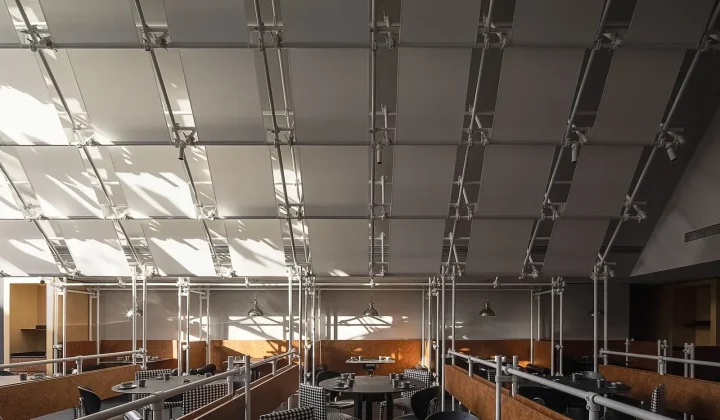
Scaffolding as Interior Architecture: Adaptable Systems Challenge the Divide Between Temporary and Permanent
A new article by Jonathan Yeung examines how modular scaffolding systems, from steel frames to Dieter Rams’ shelving, demonstrate that longevity in…
Read more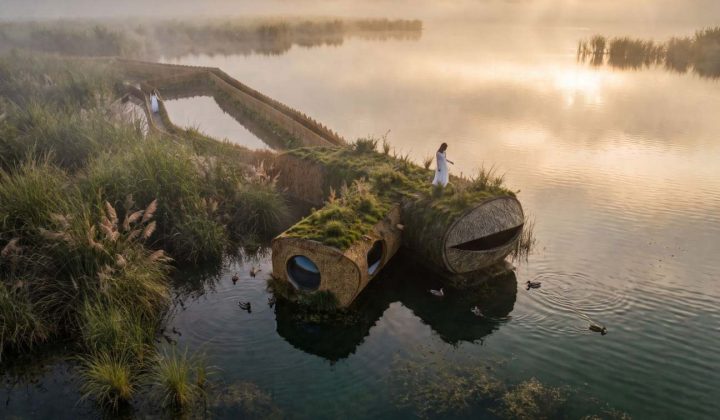
MIV Architects Proposes Wetland Pavilion That Prioritizes Non-Human Habitats Over Human Comfort
The Spanish firm’s “Nidos de Agua” concept for the Albufera natural park in Valencia aims to rebalance the relationship between building and…
Read more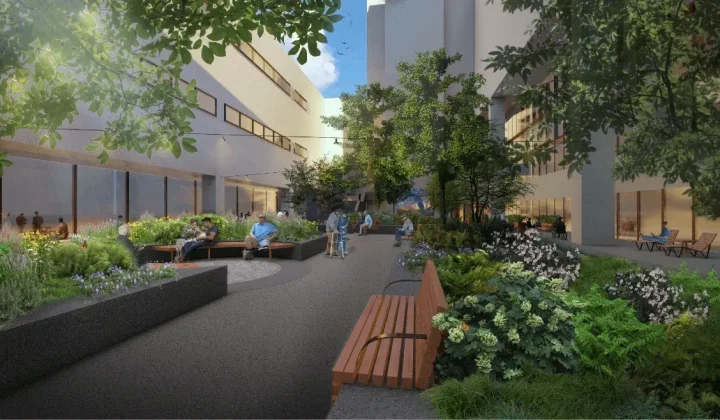
Nelson Byrd Woltz Begins Construction on Restorative Eagle Courtyard at Walter Reed Medical Center
Construction has started on a redesigned Eagle Courtyard at Walter Reed National Military Medical Center, led by Nelson Byrd Woltz Landscape Architects.…
Read more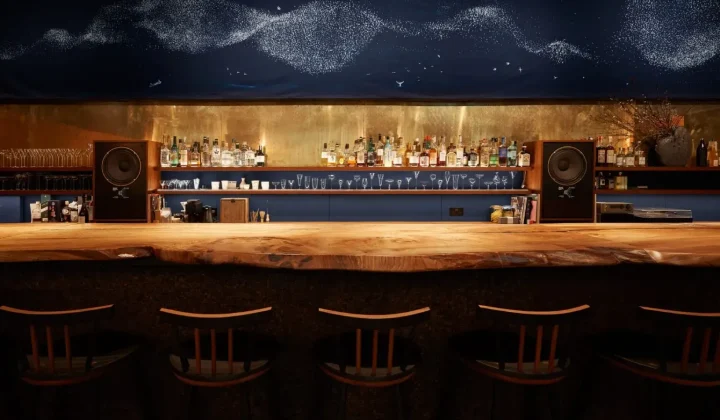
London’s listening bar boom reflects a deeper shift in hospitality design and music culture
A wave of Japanese-inspired listening bars is reshaping London’s nightlife, but owners and critics are asking whether the concept can survive commercial…
Read moreRelated wiki
Adaptive Reuse in Architecture
Reference page for reuse, retrofit, conversion, embodied carbon and design constraints.
Read more