Lighting Design Trends Shift Towards Comfort, Minimalism, and Sustainability
Architects and lighting designers are embracing hospitality-style illumination, minimalist aesthetics with hidden fixtures, and increased focus on sustainability, responding to evolving user expectations and environmental concerns.
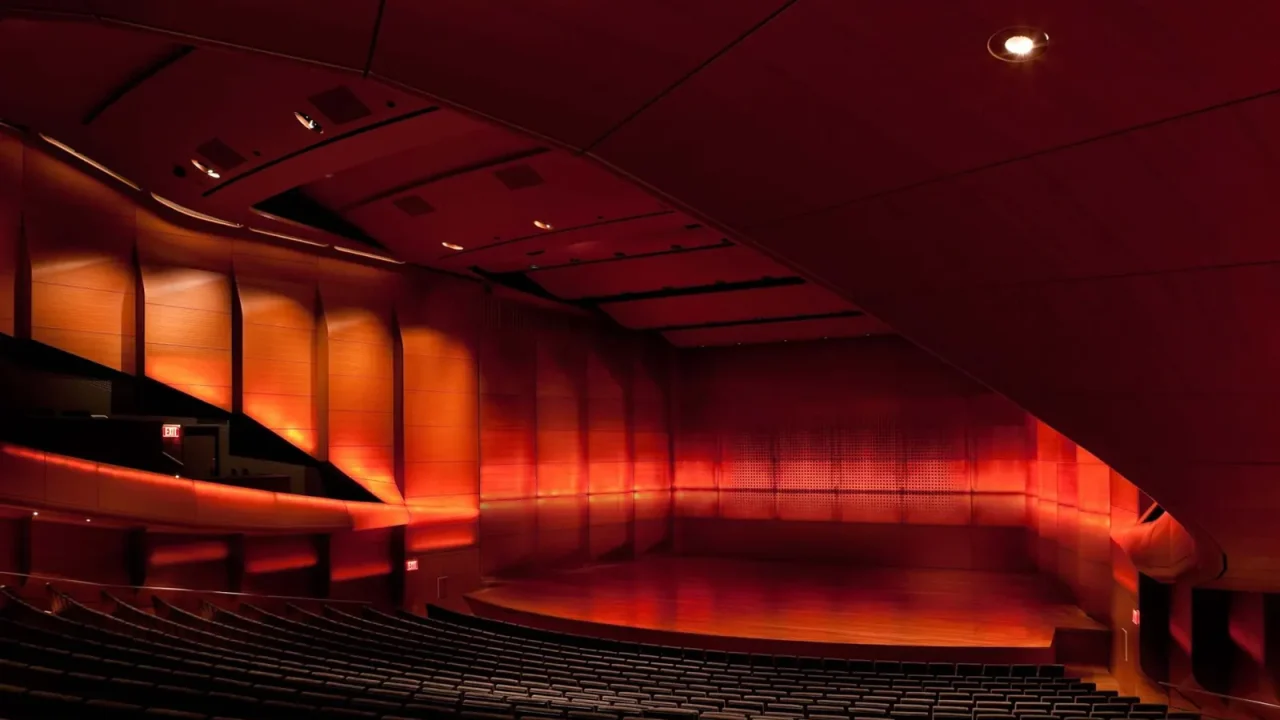
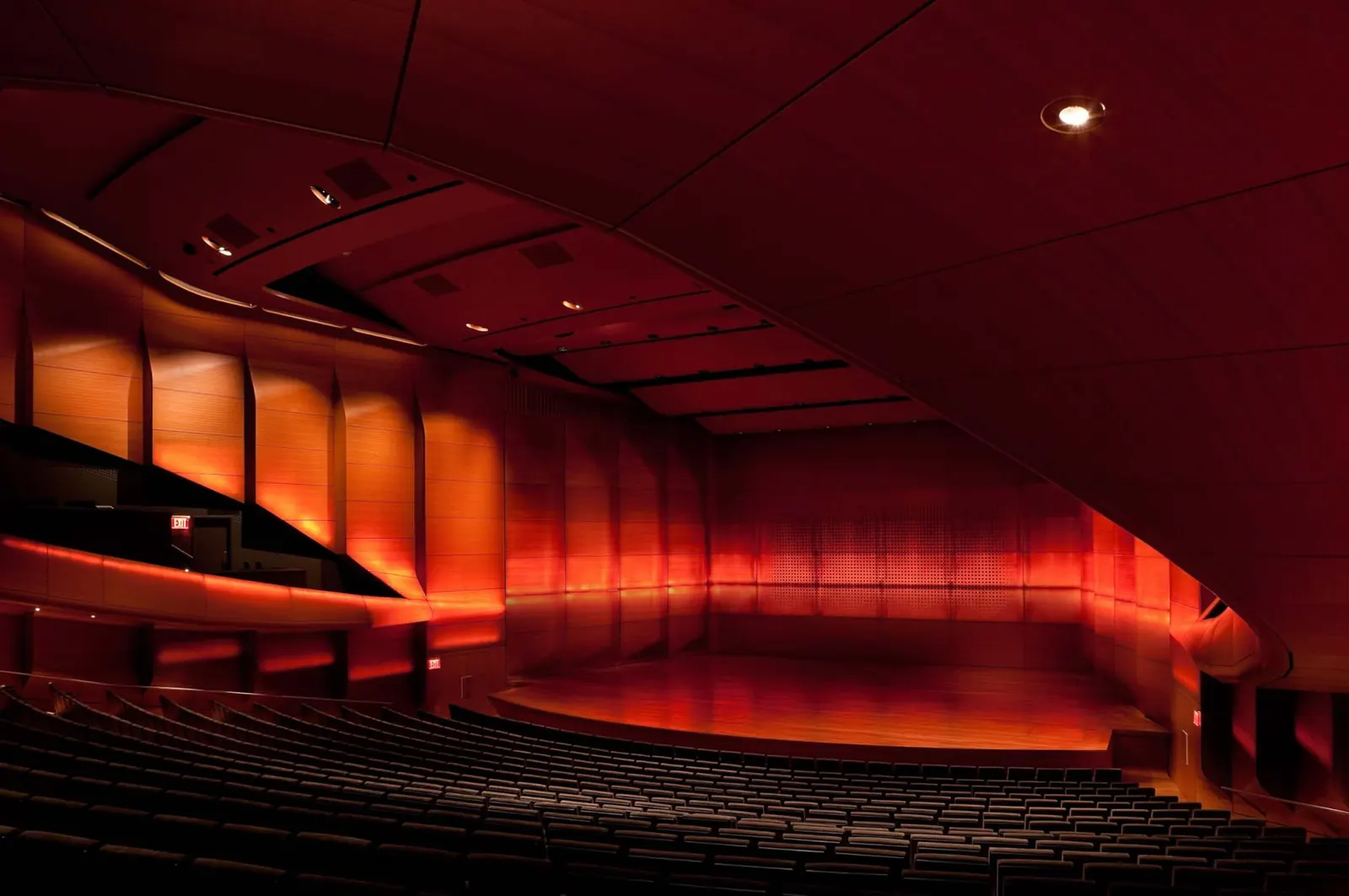
The field of architectural lighting design is undergoing a significant evolution, driven by a desire for increased comfort, minimalist aesthetics, and a stronger commitment to sustainability. Conversations with leading lighting designers reveal a shift towards creating spaces that feel more residential and welcoming, even in commercial and public settings.
Hospitality-Style Illumination for Everyday Spaces
A prominent trend is the adoption of “hospitality-style lighting” beyond traditional hospitality venues. This approach, characterized by warmer color temperatures and dimmer levels, aims to create a sense of comfort and well-being. Designers note that the increased time people spent at home during the COVID-19 pandemic has heightened expectations for comfort in all environments, including offices, retail spaces, and even airports.
“We say hospitality, but it’s really about what makes people feel comfortable,” explained Christine Vandover, a principal and senior interior designer at HOK. This sentiment is echoed by Alina Ainza, founder of Loop Lighting, who observes that more workspaces are now accepting shadow and contrast, moving away from the formerly absolute demand for uniformly bright illumination.
Minimalism and Hidden Light Sources
Architectural trends toward minimalism are directly influencing lighting design, with a growing preference for fixtures that disappear into the architecture. “Architects are always going towards minimalism,” stated B. Alex Miller, a founding partner of TM Lighting. This approach often involves using integrated or concealed light sources to maintain clean lines and uncluttered spaces.
When decorative fixtures are used, designers are employing discreet, functional lighting to create the illusion that the decorative element is the sole source of illumination, enhancing the visual impact of statement pieces.
Sustainability Takes Center Stage
Environmental considerations are no longer an afterthought but a core component of lighting design. Designers are prioritizing energy efficiency and adherence to Dark Sky light-pollution protocols. Hervé Descottes from L’Observatoire International emphasized, “We cannot even think of a project without thinking about sustainability.”
This includes the specification of shielded fixtures to prevent light trespass and upward glare, as seen in L’Observatoire’s work on the Flatiron Building facade. The increasing number of sustainability benchmarks, such as LEED and the AIA 2030 Challenge, further mandates the integration of energy-efficient lighting solutions. Balancing natural daylight with artificial lighting is also becoming more critical to meet these stringent requirements and ASHRAE minimum light levels.
Flexibility and Automation in Specialized Environments
In specialized settings like research laboratories, designers are creating flexible, plug-and-play lighting systems. Carrie Hawley, CEO of HLB Lighting Design, highlighted the need for adaptability in labs that can shift between human-operated, hybrid, and fully robotic workflows. These systems allow for reconfiguration without extensive renovations, accommodating unpredictable changes in operational needs.
Circadian Lighting: Promise and Skepticism
Circadian lighting, which adjusts color temperature to mimic natural light cycles, is increasingly available. However, designers express some skepticism about its universal application and cost-effectiveness. Bien Jacinto, a lighting designer at HOK, noted that “every manufacturer has their different gimmick about it.” While beneficial in spaces lacking natural light, its necessity and added expense are questioned, particularly in areas with ample daylight. Furthermore, the drive for increased light for wellness purposes can sometimes conflict with energy conservation goals. Designers suggest that fundamental building design, such as narrow footprints and optimal orientation, plays a crucial role in maximizing natural light and reducing reliance on artificial systems.
Key facts
| Trend | Description | Impact |
|---|---|---|
| Hospitality Lighting | Warmer tones, dimmer levels for comfort and ambiance in non-hospitality spaces | Enhances user experience and well-being in offices, retail, and public areas. |
| Minimalist Integration | Concealed or integrated light sources, focus on unobtrusive fixtures | Supports clean architectural lines and reduces visual clutter. |
| Sustainability Focus | Energy efficiency, reduced light pollution, compliance with benchmarks | Minimizes environmental impact and meets regulatory requirements. |
| Flexible Systems | Adaptable lighting for evolving needs, particularly in labs | Increases efficiency and reduces long-term costs in dynamic environments. |
| Circadian Lighting | Mimics natural light cycles; application debated for cost and necessity | Offers potential wellness benefits but requires careful consideration of efficiency and actual need. |
This evolving landscape of lighting design underscores a broader architectural movement towards creating spaces that are not only aesthetically pleasing but also deeply attuned to human comfort and environmental responsibility. As technology advances and user expectations shift, lighting will continue to play a pivotal role in defining the character and functionality of architectural projects.
Source: The Architect’s Newspaper – The trends driving lighting design right now – https://www.archpaper.com/2026/06/the-trends-driving-lighting-design-right-now/
Source
The Architect's Newspaper Original publication: 2026-06-15T19:43:24+00:00
Related news
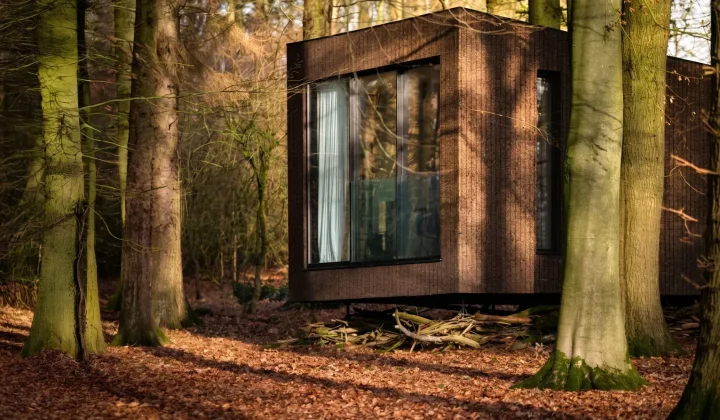
Koto launches Haku, a mobile prefab hotel suite built on a wheeled chassis to bypass UK planning restrictions
UK architecture studio Koto has unveiled Haku, a fully mobile prefabricated suite that legally qualifies as a caravan, allowing landowners and hotel…
Read more
HONG Designworks Completes Private Office in Xi’an That Balances Memory, Materiality, and Long-Term Use
The Xi’an office by HONG Designworks integrates a folded steel staircase, retained furniture from a previous workspace, and a restrained purple-gray palette…
Read more
Handwoven Teak and Cord Outdoor Seating Debuts from Masaya and Abril Zepeda
Nicaraguan furniture brand Masaya has introduced two new handcrafted outdoor chairs — a rocking chair and a lounge chair — designed by…
Read more
Place in Mind: Hendricks Churchill Launches Hospitality Group to Revive Historic Properties
The architecture and interior design studio Hendricks Churchill has launched Place in Mind, a new hospitality group focused on acquiring, restoring, and…
Read moreRelated wiki
Adaptive Reuse in Architecture
Reference page for reuse, retrofit, conversion, embodied carbon and design constraints.
Read more