
Contemporary Museum Architecture: How Cultural Buildings Are Changing
Contemporary museum architecture is evolving beyond traditional roles, focusing on experiential design, sustainability, and community engagement to create dynamic cultural hubs.
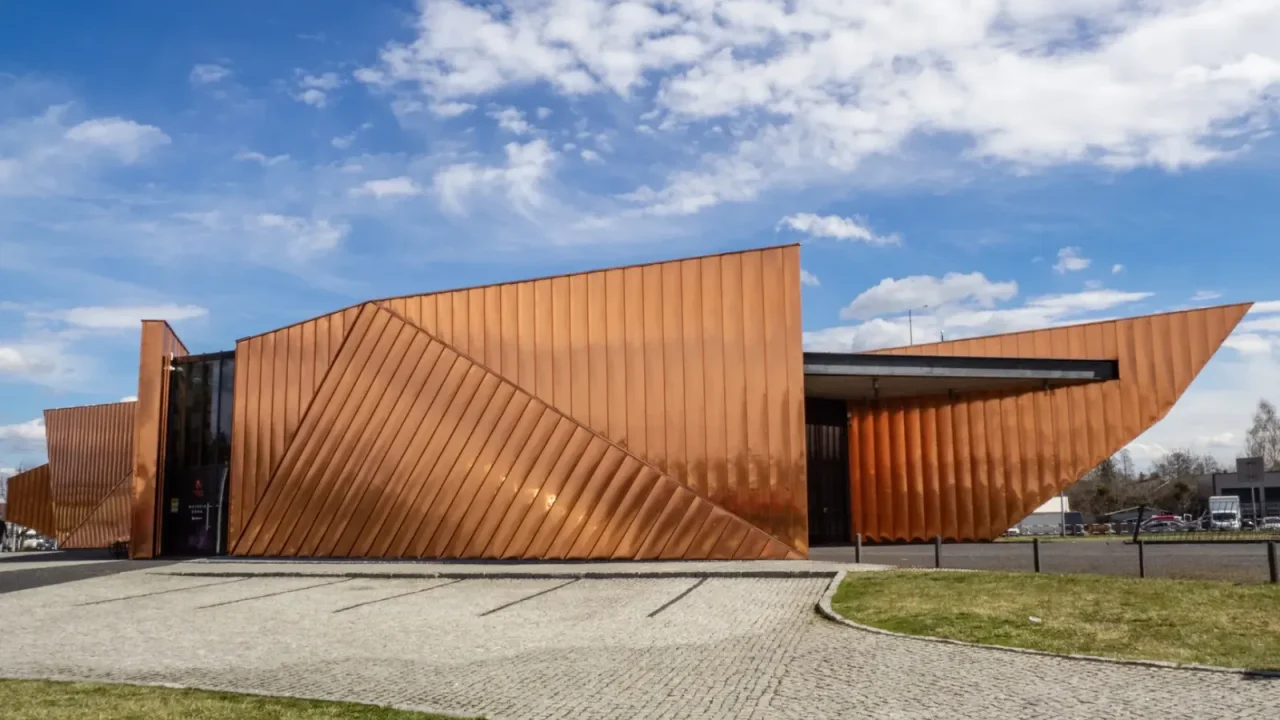
Contemporary museum architecture is undergoing a significant transformation, moving beyond its traditional function as a static repository for artifacts. Modern cultural buildings are increasingly designed as dynamic public spaces that prioritize visitor experience, environmental sustainability, and community integration [2, 4].
Evolving Roles of Museum Architecture
Historically, museums often featured grand, imposing structures that emphasized permanence and authority. Today's designs reflect a shift towards accessibility, interaction, and flexibility, aiming to engage a broader audience and serve as civic anchors [4].
Beyond the White Cube: Experiential Design
Modern museum design often focuses on creating immersive and interactive environments. This involves flexible exhibition spaces, integration of digital technologies, and diverse programming that encourages participation rather than passive observation. The goal is to make the museum visit a memorable experience that extends beyond viewing objects [3].
Sustainability and Adaptive Reuse
Environmental considerations are now central to contemporary museum architecture. This includes designing for energy efficiency, utilizing sustainable materials, and incorporating green spaces. Adaptive reuse of existing structures is also a growing trend, transforming historical buildings or industrial sites into new cultural venues, which contributes to urban regeneration and reduces environmental impact [1, 4].
Community Engagement and Urban Integration
Museums are increasingly seen as vital components of urban fabric, designed to foster community engagement. Architects are creating buildings that are permeable, with public plazas, accessible entrances, and connections to surrounding urban spaces. These designs aim to make museums welcoming public forums rather than isolated institutions [4].
Key Characteristics: Traditional vs. Contemporary Museum Design
| Feature | Traditional Museum Design | Contemporary Museum Design |
|---|---|---|
| Primary Function | Collection storage, display, preservation | Experiential learning, community hub, cultural dialogue |
| Architectural Style | Imposing, monumental, often classical or historical | Innovative, diverse, often sculptural, contextual, sustainable |
| Visitor Experience | Passive viewing, reverence for objects | Interactive, immersive, participatory, educational |
| Relationship to City | Often detached, iconic landmark | Integrated, permeable, civic anchor, public space |
| Sustainability | Limited consideration | High priority: energy efficiency, green materials, adaptive reuse |
| Technology | Minimal, primarily for security/lighting | Integrated: digital exhibits, interactive displays, smart systems |
Evaluating Contemporary Museum Buildings
When assessing a new or renovated museum, several aspects highlight its alignment with contemporary architectural trends:
- Accessibility and Inclusivity: Does the design welcome diverse visitors, including those with mobility challenges, and offer varied entry points and public spaces?
- Environmental Performance: Are there visible or documented efforts towards sustainability, such as green roofs, natural ventilation, or use of recycled materials? (Date checked: October 26, 2023)
- Flexibility of Space: Can exhibition areas be easily reconfigured to accommodate different types of art, installations, or events?
- Integration with Context: How does the building relate to its immediate urban or natural surroundings? Does it enhance public life in the area?
- Technological Integration: Are digital elements seamlessly woven into the visitor experience, enhancing understanding and engagement without overshadowing the art?
Frequently Asked Questions (FAQ)
How does contemporary museum architecture address sustainability?
Contemporary museum architecture addresses sustainability through various strategies, including the use of energy-efficient systems, incorporation of renewable energy sources, selection of sustainable and locally sourced materials, and the adaptive reuse of existing buildings to minimize new construction impact [1, 4].
What is meant by "experiential design" in museums?
Experiential design in museums refers to creating environments that engage visitors through multiple senses and interactive elements, moving beyond traditional passive viewing. This can involve immersive digital installations, hands-on exhibits, flexible spaces for performances, and designs that encourage social interaction and personal discovery [3].
Sources
- UNEP: cities and resource efficiency – UNEP.
- ArchDaily – ArchDaily.
- The Museum as Information Space: Metadata and Documentation – Springer International Publishing.
- Regenerating the Experimental Farm: How Can Architecture Make a Historic Landscape Relevant to a Contemporary Public? – Carleton University.
Related news
Mariel Lozano Studio uses custom furniture to maximise compact Mexico City apartment
Mexico City-based Mariel Lozano Studio has designed the interiors and custom furniture for San Luis, a compact rental residence in Mexico City’s…
Read more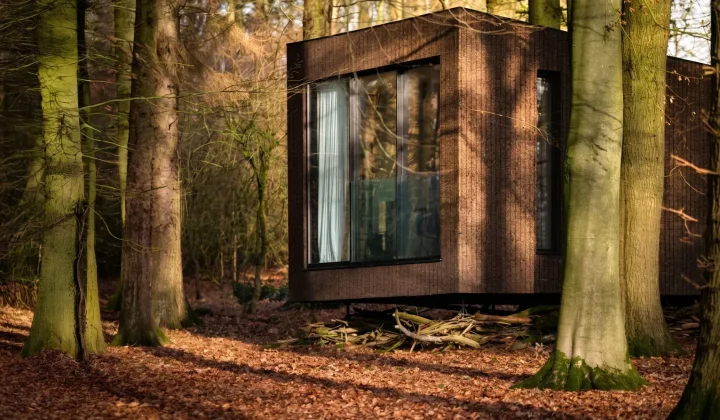
Koto launches Haku, a mobile prefab hotel suite built on a wheeled chassis to bypass UK planning restrictions
UK architecture studio Koto has unveiled Haku, a fully mobile prefabricated suite that legally qualifies as a caravan, allowing landowners and hotel…
Read more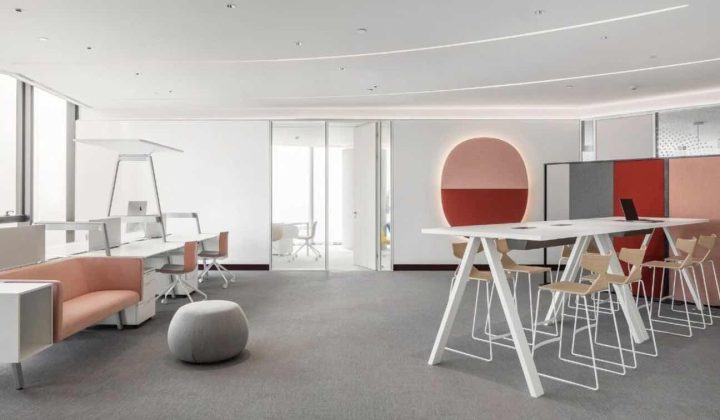
HONG Designworks Completes Private Office in Xi’an That Balances Memory, Materiality, and Long-Term Use
The Xi’an office by HONG Designworks integrates a folded steel staircase, retained furniture from a previous workspace, and a restrained purple-gray palette…
Read more
Handwoven Teak and Cord Outdoor Seating Debuts from Masaya and Abril Zepeda
Nicaraguan furniture brand Masaya has introduced two new handcrafted outdoor chairs — a rocking chair and a lounge chair — designed by…
Read moreRelated wiki

Adaptive Reuse in Architecture
Reference page for reuse, retrofit, conversion, embodied carbon and design constraints.
Read more