
T2P Architects Design Innovative Workplace for Lightning Protection Specialist in Sendai
A new branch office for Osaka Lightning Rod Industry in Sendai aims to foster better communication and streamline operations through a design inspired by its core product.
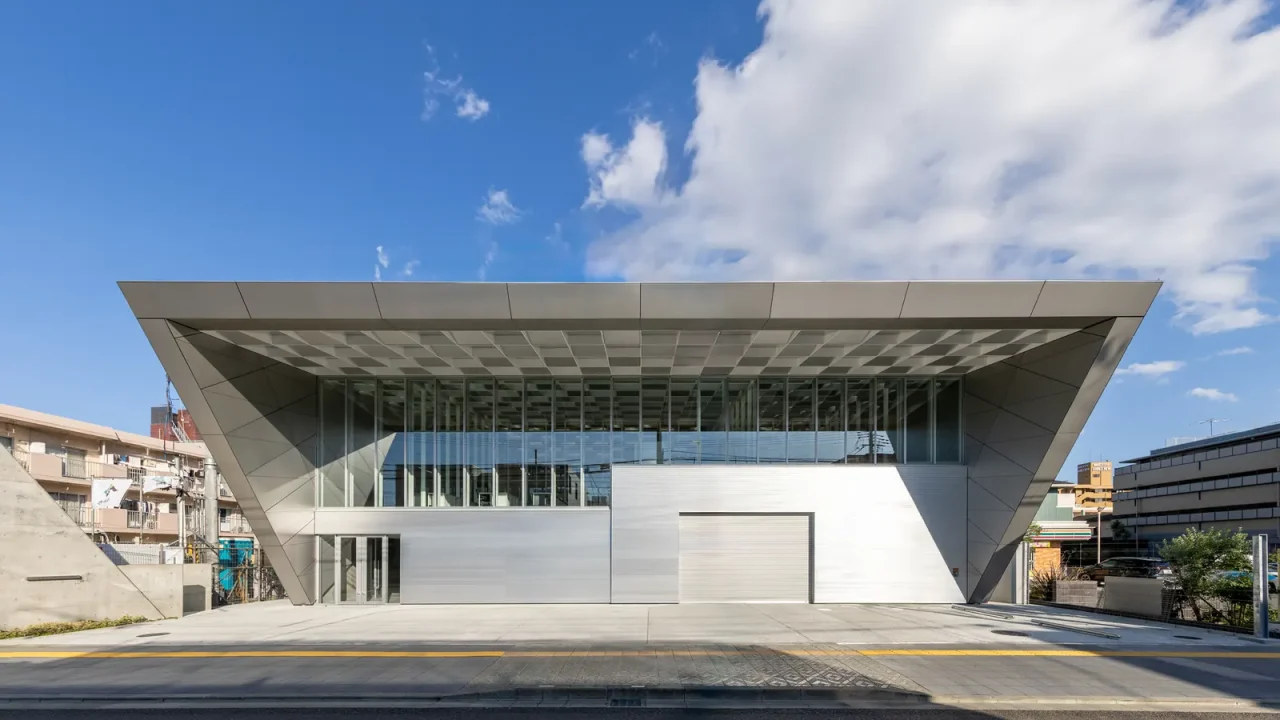
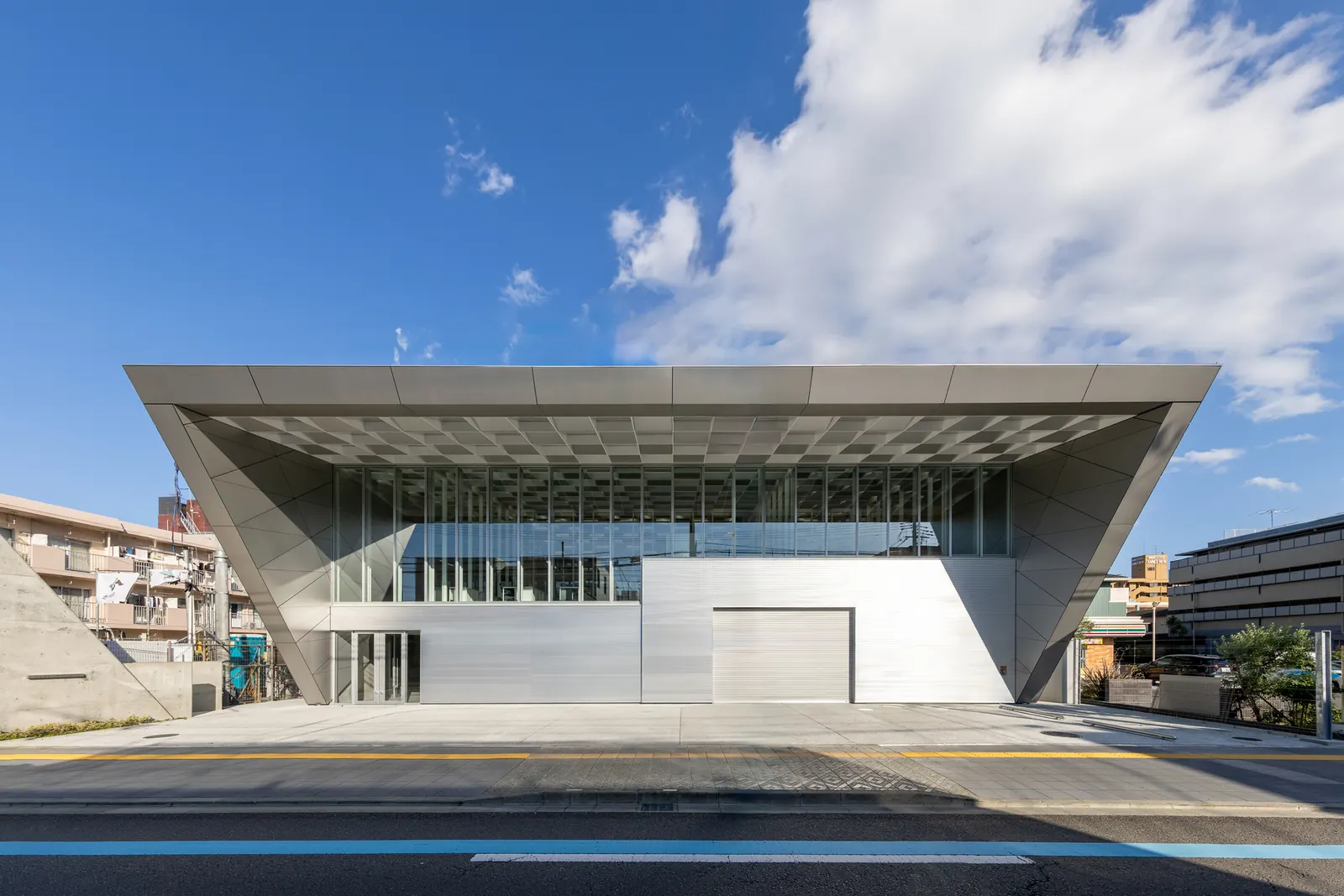
T2P Architects Office has completed a new branch office for Osaka Lightning Rod Industry in Sendai, a city experiencing a rise in condominium development. The design addresses previous workplace inefficiencies, where scattered operations across multiple floors hindered communication. This new facility aims to create a cohesive and interconnected environment for the company’s wide-ranging activities, from sales and ordering to inventory management, assembly, transport, and on-site work.
Inspired by the complex yet unified structure of a lightning rod, where numerous small components form an essential whole, the architectural concept emphasizes a close relationship between individual work zones and the overall office space. This philosophy seeks to translate into a more integrated and collaborative work experience for the employees.
Addressing Operational Needs
The design specifically caters to the diverse operational needs of Osaka Lightning Rod Industry. Traditionally, the company’s functions were spread across different levels, leading to communication gaps. The new Sendai branch office is conceived as a cross-functional hub, facilitating easier interaction and workflow between departments. This integrated approach is crucial for a company involved in everything from initial client consultations to the logistics of installation and service.
Architectural Inspiration
The core inspiration for the project draws directly from the product Osaka Lightning Rod Industry specializes in: lightning rods. These devices, crucial for protecting structures, are themselves intricate assemblies of various parts working in concert. T2P Architects Office has mirrored this principle in the office’s design, aiming to create a workplace where distinct areas, representing individual functions, contribute to a unified and efficient operational whole. This concept aims to foster a sense of shared purpose and seamless collaboration among staff.
Materials and Location
The office utilizes steel as a primary material, likely chosen for its structural integrity and modern aesthetic, aligning with the technical nature of the client’s business. Situated in Sendai City, the project responds to the evolving urban landscape characterized by increasing condominium construction. The design thus seeks to provide a functional and forward-thinking workspace that complements the area’s development.
Key facts
| Feature | Detail |
|---|---|
| Project Name | Osaka Lightning Rod Industry Sendai Branch Office |
| Architect | T2P Architects Office |
| Location | Sendai City, Japan |
| Primary Material | Steel |
| Inspiration | Structure of a lightning rod |
| Published Date | June 21, 2026 |
The development of this new branch office signifies a strategic move by Osaka Lightning Rod Industry to enhance operational efficiency and inter-departmental communication. For readers interested in architecture and design, the project highlights how functional requirements can inspire innovative spatial solutions. The choice of materials and the conceptual link to the company’s core product offer a compelling case study in how architecture can actively support business objectives and foster a more dynamic work environment. The project’s integration into the evolving urban fabric of Sendai also provides context for contemporary architectural responses to development trends.
Source: Osaka Lightning Rod Industry Sendai Branch Office / T2P Architects Office, ArchDaily, https://www.archdaily.com/1042629/osaka-lightning-rod-industry-sendai-branch-office-t2p-architects-office
Source
ArchDaily Original publication: 2026-06-21T17:00:00+00:00
Related news
Mariel Lozano Studio uses custom furniture to maximise compact Mexico City apartment
Mexico City-based Mariel Lozano Studio has designed the interiors and custom furniture for San Luis, a compact rental residence in Mexico City’s…
Read more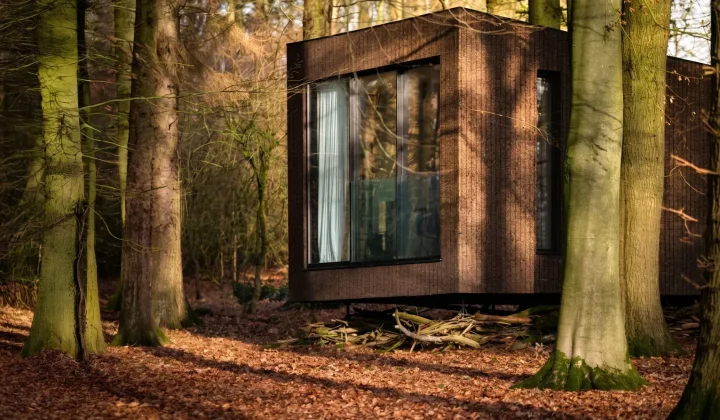
Koto launches Haku, a mobile prefab hotel suite built on a wheeled chassis to bypass UK planning restrictions
UK architecture studio Koto has unveiled Haku, a fully mobile prefabricated suite that legally qualifies as a caravan, allowing landowners and hotel…
Read more
HONG Designworks Completes Private Office in Xi’an That Balances Memory, Materiality, and Long-Term Use
The Xi’an office by HONG Designworks integrates a folded steel staircase, retained furniture from a previous workspace, and a restrained purple-gray palette…
Read more
Handwoven Teak and Cord Outdoor Seating Debuts from Masaya and Abril Zepeda
Nicaraguan furniture brand Masaya has introduced two new handcrafted outdoor chairs — a rocking chair and a lounge chair — designed by…
Read moreRelated wiki
Adaptive Reuse in Architecture
Reference page for reuse, retrofit, conversion, embodied carbon and design constraints.
Read more