
Brownfield Redevelopment: Contaminated Sites Drive Architectural Innovation
Once overlooked, contaminated brownfield sites are becoming prime locations for architectural projects, pushing innovation in design, remediation, and sustainable practices.
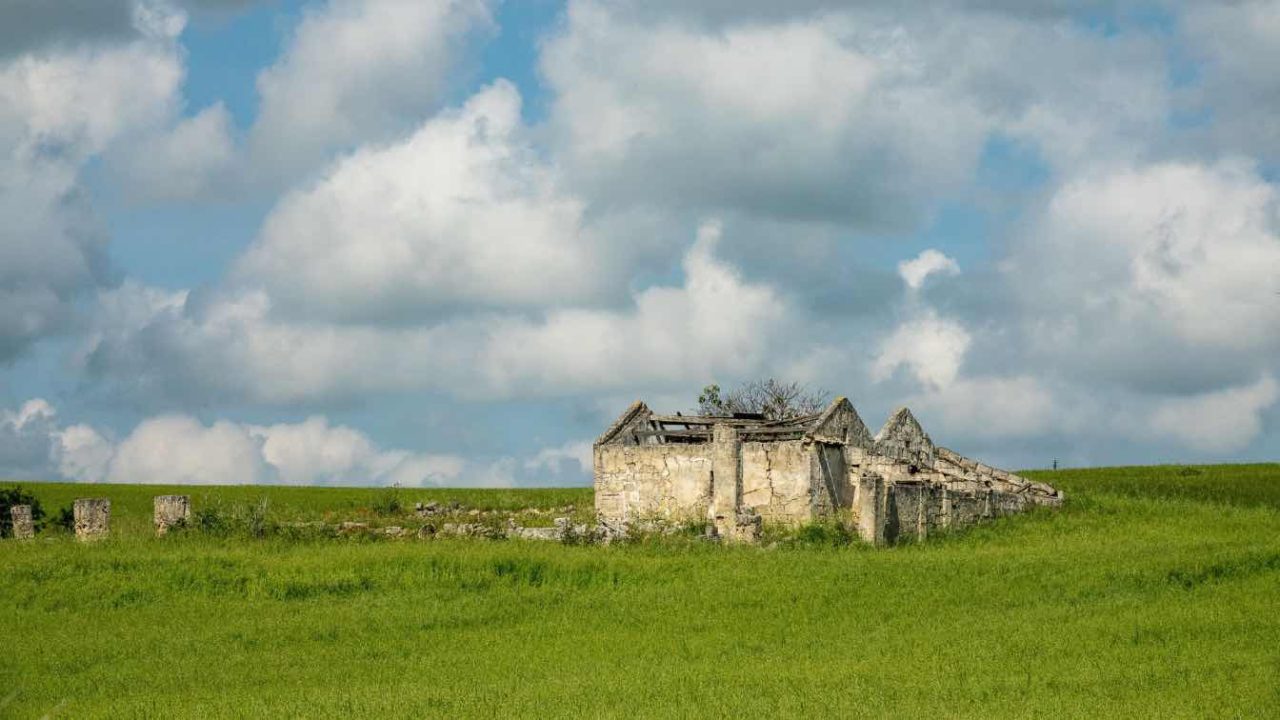

The challenge of developing contaminated land, once a niche concern, is now reshaping the architectural landscape. As clean development sites become scarce, previously shunned brownfields—properties with hazardous substances—are emerging as valuable opportunities, particularly in sought-after urban locations. This shift is driven by a combination of economic incentives and a growing awareness of the environmental and social benefits of revitalizing existing urban fabric.
The economic argument for brownfield redevelopment is becoming increasingly compelling. A contaminated site near transit hubs or existing infrastructure can offer greater long-term value than undeveloped land further afield. Cities have recognized this potential, and developers are increasingly willing to invest in the specialized expertise required to transform these challenging parcels. The process, however, moves beyond traditional construction, necessitating a deep understanding of environmental assessment and remediation.
Specialized Expertise in Remediation
Before any construction can begin, brownfield sites require thorough testing and cleanup. This work is performed by professionals equipped with specialized knowledge and certifications, such as the 40-hour HAZWOPER training. They address issues ranging from soil contamination by lead and arsenic to groundwater pollution from historical industrial activities. The complexity of these sites demands a different approach than standard construction, where unexpected discoveries can significantly impact timelines and budgets.
Integrating Remediation into Design
Architects play a crucial role in navigating the complexities of brownfield redevelopment. A key challenge is that the remediation timeline and cost directly influence all subsequent design and construction phases. Designs that fail to account for the remediation process risk substantial cost overruns when unexpected site conditions are encountered.
A more effective approach treats remediation as a fundamental design input rather than a mere hurdle. The required level of cleanup is dictated by the intended future use of the site. For instance, a parking structure can tolerate residual contamination that would be entirely unacceptable for a daycare facility. Forward-thinking designers integrate these site constraints from the outset, tailoring their building programs to the ground conditions rather than imposing an ideal building onto a problematic site. This integration ensures that the cost of making the soil suitable for the building does not outweigh the cost of the building itself.
Embracing Adaptive Reuse and Material Reuse
Brownfield sites often possess existing structures that can be incorporated into new designs. Adaptive reuse is particularly logical in these contexts, as demolition can exacerbate soil contamination by spreading dust. Minimizing demolition reduces this risk. In some cases, the most sustainable action is to preserve existing structures, provided they are not themselves heavily contaminated with hazardous materials like asbestos or lead coatings, which would necessitate careful and specialized removal.
The reuse of materials already present on-site also presents a significant opportunity. Crushing old concrete for use as aggregate or salvaging steel and brick for facades can reduce landfill waste and transportation emissions. This approach aligns with sustainable design principles, offering a tangible connection to the site’s history. A housing block constructed partly from the remains of a former foundry, for example, carries a narrative that new construction on a greenfield site cannot replicate. This practice is already evident in revitalized industrial areas like Pittsburgh and parts of Europe.
A Multifaceted Role for Architects
The role of the architect in brownfield redevelopment extends far beyond traditional design. They must collaborate closely with environmental engineers and engage with regulatory bodies. This often involves adjusting design ambitions to accommodate cleanup requirements and communicating with local communities who may have long-standing concerns about the site’s history. Architects who treat the site investigation as the initial phase of design, rather than mere paperwork, are better positioned for success.
Architecture schools are increasingly adapting their curricula to include soil chemistry, worker safety regulations, and the economics of public cleanup grants. This expanded knowledge base equips architects to become valuable partners for cities, especially as developable land in desirable urban areas continues to diminish.
The Challenges and Rewards
Brownfield redevelopment is inherently more complex and costly than building on undeveloped land. The process is slower, and the potential for unexpected budget-detonating discoveries is significant. However, these difficulties also underscore the value of the work. Brownfield projects uniquely merge environmental repair with architectural innovation, transforming neglected parcels into desirable assets for their neighborhoods. The former paint factory, once an eyesore, is poised to become a prime address, driven by architects willing to tackle the complexities of contaminated ground.
Key facts:
| Aspect | Details |
| :———————- | :————————————————————————————– |
| Definition | Property with hazardous substance contamination, hindering reuse. |
| Driving Factors | Scarcity of clean land, urban desirability, economic incentives, sustainability goals. |
| Architect’s Role | Design integration, remediation planning, regulatory liaison, community engagement. |
| Key Challenges | Remediation costs and timelines, unexpected site conditions, regulatory compliance. |
| Benefits | Urban revitalization, environmental improvement, unique historical narrative in buildings. |
This development is significant for Paionia7’s readers as it highlights a growing and critical intersection of architecture, urban planning, and environmental stewardship. It showcases how architects are adapting to resource limitations and environmental challenges, turning liabilities into assets and contributing to more sustainable and resilient urban futures.
Source: Amazing Architecture – https://amazingarchitecture.com/articles/brownfield-redevelopment-how-contaminated-land-is-reshaping-architecture
Datos clave
| Punto | Detalle |
|---|---|
| Fuente | Amazing Architecture |
| Fecha | 2026-06-23T21:10:08+00:00 |
| Tema | Brownfield Redevelopment: How Contaminated Land Is Reshaping Architecture |
Source
Amazing Architecture Original publication: 2026-06-23T21:10:08+00:00
Related news
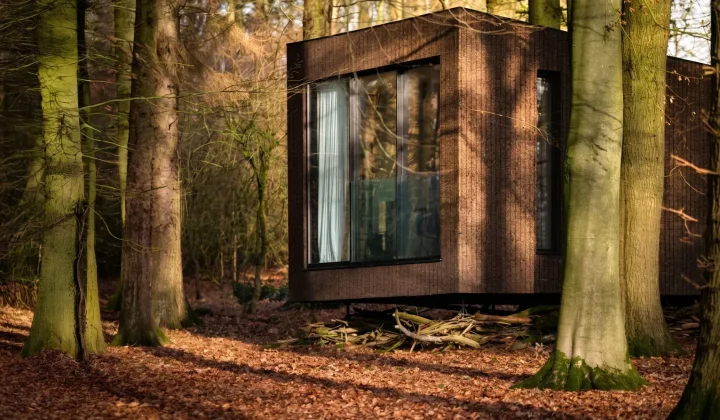
Koto launches Haku, a mobile prefab hotel suite built on a wheeled chassis to bypass UK planning restrictions
UK architecture studio Koto has unveiled Haku, a fully mobile prefabricated suite that legally qualifies as a caravan, allowing landowners and hotel…
Read more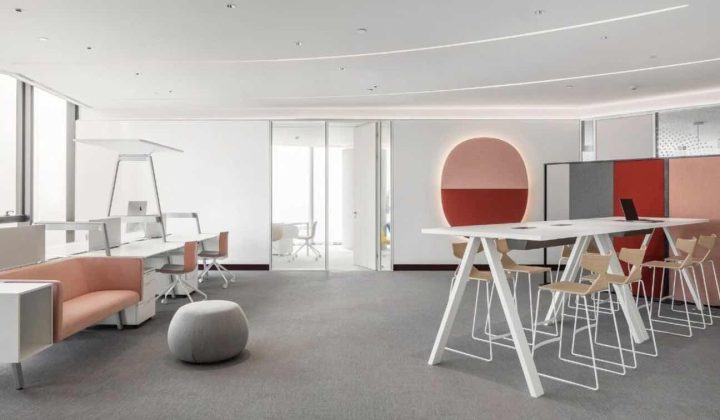
HONG Designworks Completes Private Office in Xi’an That Balances Memory, Materiality, and Long-Term Use
The Xi’an office by HONG Designworks integrates a folded steel staircase, retained furniture from a previous workspace, and a restrained purple-gray palette…
Read more
Handwoven Teak and Cord Outdoor Seating Debuts from Masaya and Abril Zepeda
Nicaraguan furniture brand Masaya has introduced two new handcrafted outdoor chairs — a rocking chair and a lounge chair — designed by…
Read more
Place in Mind: Hendricks Churchill Launches Hospitality Group to Revive Historic Properties
The architecture and interior design studio Hendricks Churchill has launched Place in Mind, a new hospitality group focused on acquiring, restoring, and…
Read moreRelated wiki

Adaptive Reuse in Architecture
Reference page for reuse, retrofit, conversion, embodied carbon and design constraints.
Read more