
India’s ‘Anthill’ House Mimics Insect Mounds for Passive Cooling
A new residential project in India draws inspiration from the natural ventilation and thermal regulation of anthills, utilizing brick chambers and cavernous passages to create a heat-resilient dwelling.
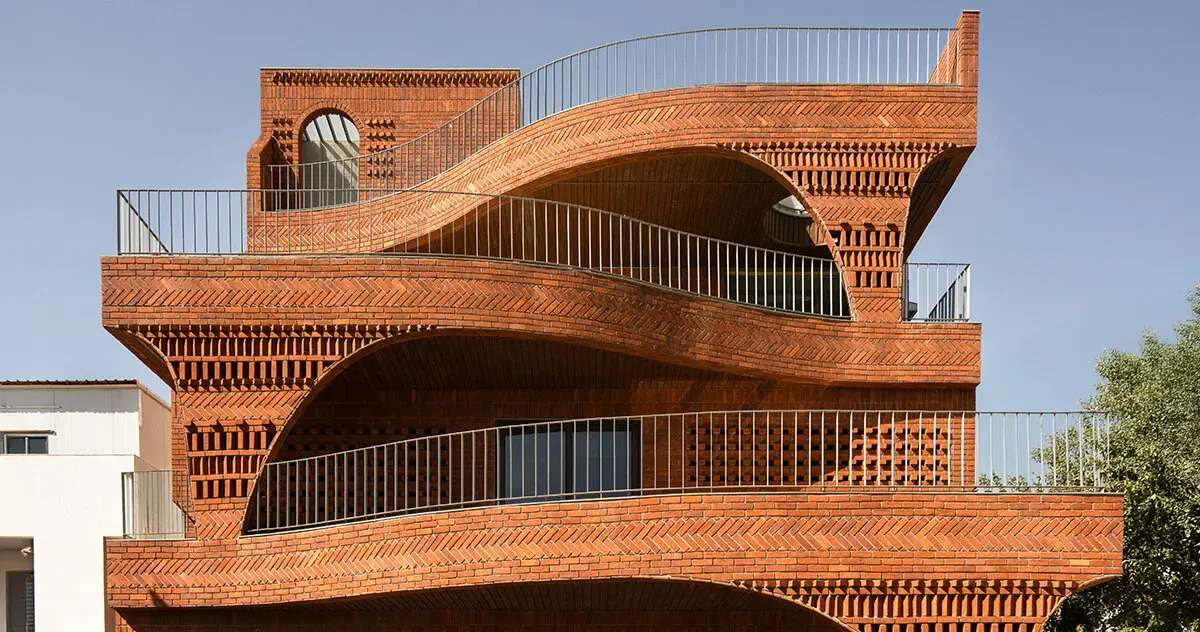
A new residential project in Ahilyanagar, India, dubbed “The Anthill,” is redefining heat-resilient architecture by drawing inspiration from the ingenious natural designs of insect-built mounds. Developed by Kaushal Tatiya Architects, the 7,000-square-foot bungalow translates the passive cooling strategies and spatial organization of anthills into a contemporary dwelling.
Designed to combat the challenges of a hot and dry climate, The Anthill prioritizes passive cooling, cross-ventilation, and a reduced reliance on mechanical systems. The architects have employed brick not only as a primary building material but also as an integral component of the home’s environmental control.
Natural Ventilation Strategies
The core concept behind The Anthill lies in emulating the intricate network of chambers, passages, and vents found in natural anthills. This translation into architectural form aims to harness natural airflow for temperature regulation. Lead architects Kaushal Suresh Tatiya and Sweety Muttha have incorporated features such as brick jalis (perforated walls), skylights, and ventilation shafts. These elements work in concert to create a stack effect, drawing cooler air in and expelling warmer air, thereby regulating the interior temperature naturally.
The interior design emphasizes a flow of movement analogous to passages within an anthill. Rooms branch off from larger communal volumes, with circulation guided through varying ceiling heights and carefully curated light conditions. This spatial arrangement, combined with the strategic placement of courtyards and shaded transitions, creates a dynamic and comfortable living environment.
Materiality and Form
The Anthill’s exterior presents an introverted mass with solid, undulating walls designed to deflect the intense glare of the sun. Perforated surfaces on the facade allow dappled light to penetrate the interiors, creating dynamic patterns.
Material choices are rooted in local and natural resources. Exposed brick forms the dominant architectural language, complemented by textured concrete, terracotta, lime plaster, and locally sourced stone. The tactile density of these materials contributes to the home’s thermal mass, while the brickwork’s inherent porosity allows the structure to breathe. Light is a key element, introduced through punctured skylights, internal courtyards, and the perforated facade, creating illuminated pockets within the robust shell of the house.
Balconies and Terraces
The house’s form is further shaped by stepped terraces and alternating balconies. These features not only provide shaded outdoor spaces but also echo traditional Indian architectural elements like “chhats” (canopies or shelters), offering a connection to regional building practices. A prominent 12-foot cantilevered slab, supported by brickwork, adds a distinct architectural gesture to the otherwise low-profile, terrain-like composition of the house.
In bedrooms, a dual approach to openings balances privacy with connection to the outdoors. Smaller windows facilitate cross-ventilation, while extending balconies offer expansive views of the surrounding landscape.
A Sustainable Approach
The Anthill represents an exploration of how architecture can learn from natural systems to achieve comfort and sustainability. By borrowing from the inherent intelligence of insect mounds, Kaushal Tatiya Architects has designed a residence that minimizes its environmental footprint through passive design strategies. The project is a testament to the potential of using traditional materials and natural principles to create modern, climate-responsive homes. The inclusion of a water cascade in the central living area further enhances passive cooling.
Key facts
| Feature | Detail |
|---|---|
| Project Name | The Anthill |
| Architects | Kaushal Tatiya Architects |
| Location | Ahilyanagar, Maharashtra, India |
| Built Area | 7,000 square feet |
| Completion Year | 2026 |
| Primary Inspiration | Insect-built mounds for passive cooling |
This project is of significant interest to Paionia7 readers as it showcases innovative residential design that prioritizes sustainability and climate adaptation through biomimicry and traditional materials. The Anthill offers a compelling example of how architectural forms can be deeply integrated with environmental performance, providing valuable insights for architects, designers, and homeowners interested in climate-responsive building solutions.
Source: designboom – https://www.designboom.com/architecture/brick-chambers-anthill-house-india-kaushal-tatiya/
Source
Designboom Original publication: 2026-06-24T01:15:27+00:00
Related news
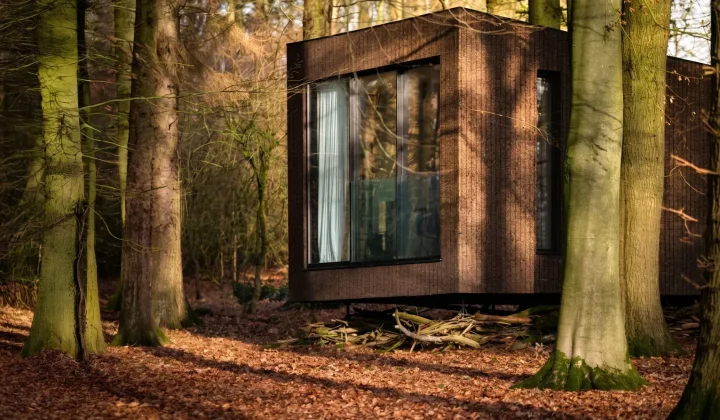
Koto launches Haku, a mobile prefab hotel suite built on a wheeled chassis to bypass UK planning restrictions
UK architecture studio Koto has unveiled Haku, a fully mobile prefabricated suite that legally qualifies as a caravan, allowing landowners and hotel…
Read more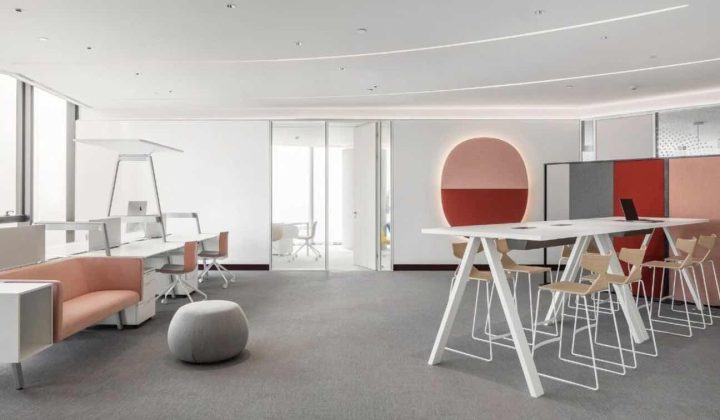
HONG Designworks Completes Private Office in Xi’an That Balances Memory, Materiality, and Long-Term Use
The Xi’an office by HONG Designworks integrates a folded steel staircase, retained furniture from a previous workspace, and a restrained purple-gray palette…
Read more
Handwoven Teak and Cord Outdoor Seating Debuts from Masaya and Abril Zepeda
Nicaraguan furniture brand Masaya has introduced two new handcrafted outdoor chairs — a rocking chair and a lounge chair — designed by…
Read more
Place in Mind: Hendricks Churchill Launches Hospitality Group to Revive Historic Properties
The architecture and interior design studio Hendricks Churchill has launched Place in Mind, a new hospitality group focused on acquiring, restoring, and…
Read moreRelated wiki

Adaptive Reuse in Architecture
Reference page for reuse, retrofit, conversion, embodied carbon and design constraints.
Read more