
Snøhetta to Transform Historic Paimio Sanatorium into a Wellness and Diplomacy Hub
Norwegian architecture firm Snøhetta has unveiled plans to reimagine the iconic Paimio Sanatorium, designed by Aino and Alvar Aalto, transforming the former tuberculosis clinic into a contemporary destination for wellness, hospitality, and international dialogue.


Snøhetta, the acclaimed Norwegian architecture and design firm, has been tasked with a significant undertaking: to reimagine Finland’s historically important Paimio Sanatorium. Designed by the renowned Finnish architectural duo Aino and Alvar Aalto, the sanatorium, originally completed in 1933 as a tuberculosis clinic, is set to be transformed into a multifaceted destination encompassing hospitality, wellness, cultural spaces, and a venue for international dialogue.
Masterplan Unveiled
Snøhetta recently released its comprehensive masterplan for the Paimio Sanatorium, developed in collaboration with ALA Architects and Mustonen Architects for the initial phase. The vision prioritizes the preservation of the building’s exterior integrity while introducing carefully considered interventions to accommodate its new programmatic uses. Renderings depict the iconic modernist facade remaining largely intact, with the addition of a new entrance located on the rear facade. Enhancements to the surrounding landscape are also a key component of the plan, aiming to integrate the structure more harmoniously with its natural environment.
Adaptive Reuse of Key Spaces
The masterplan outlines a thoughtful repurposing of several key areas within the sanatorium. The former surgery wing will be converted into a flexible auditorium capable of accommodating up to 200 people. This space will feature a new visitor’s entrance and will boast birch-slatted walls, a design element reminiscent of Aalto’s earlier works, chosen for its optimal acoustical performance. Externally, the forecourt, currently asphalted, will be resurfaced with slate and enhanced with new plantings.
A new spa is planned for the lower level, designed to offer serene views of the surrounding forest, providing a tranquil experience for visitors. The former patient wings are slated to become hospitality accommodations. Patient rooms will be transformed into hotel rooms, and the celebrated sun balconies, a distinctive feature of the sanatorium, will be reopened and integrated into the new hotel experience. The bathrooms for these new hotel rooms will feature new freestanding furniture lined with birchwood veneering, a nod to the building’s original materiality.
Respect for Legacy
Kjetil Trædal Thorsen, a founding partner at Snøhetta, emphasized the firm’s deep respect for the legacy of Aino and Alvar Aalto. “With profound respect for the legacy of Aino and Alvar Aalto—and particularly the Paimio Sanatorium—we approach this project with the ambition of opening the site for thoughtful future use,” Thorsen stated. He added that “Grounded in research, each intervention is carefully considered, preserving the building’s integrity while allowing it to evolve.”
This approach has been lauded by Mirkku Kullberg, the Paimio Foundation’s CEO, who, along with curator Joseph Grima, has been instrumental in discussing the future of the Paimio Sanatorium beyond its original healthcare function. Kullberg described Snøhetta’s masterplan as “a thoughtful balance between conservation and restorative architecture.”
Aalto’s architectural significance in Finland is underscored by the potential inclusion of the Paimio Sanatorium, alongside several other Aalto-designed sites, on the UNESCO World Heritage list in July 2026. This designation would further solidify the importance of preserving and adapting such seminal works of modern architecture.
The timeline for the construction and completion of this ambitious reimagining has not yet been shared. The project represents a significant effort to ensure the continued relevance and preservation of a vital piece of architectural history, adapting it for contemporary needs.
Key facts
| Feature | Detail |
|—|—|
| Original Building | Paimio Sanatorium, designed by Aino and Alvar Aalto |
| Original Purpose | Tuberculosis clinic (completed 1933) |
| Reimagined Use | Wellness destination, hospitality, cultural spaces, diplomacy summit |
| Lead Architect for Reimagining | Snøhetta (in collaboration with ALA Architects and Mustonen Architects) |
| Key Interventions | New rear entrance, spa, flexible auditorium, repurposed patient rooms into hotel rooms, reopened sun balconies |
| Potential UNESCO Status | Paimio Sanatorium and other Aalto sites may be added to UNESCO World Heritage list in July 2026 |
This transformation of the Paimio Sanatorium is of significant interest to readers of Paionia7 as it exemplifies a high-profile case of adaptive reuse of a modernist architectural masterpiece. The project highlights innovative approaches to preserving historical integrity while integrating contemporary functions like wellness and hospitality, reflecting broader trends in sustainable design and the evolving role of historic buildings in urban and cultural landscapes. The involvement of a globally recognized firm like Snøhetta, coupled with the potential UNESCO recognition, underscores the project’s importance in the international architectural discourse.
Source: The Architect’s Newspaper, https://www.archpaper.com/2026/06/snohetta-paimio-sanatorium/
Datos clave
| Punto | Detalle |
|---|---|
| Fuente | The Architect's Newspaper |
| Fecha | 2026-06-29T20:50:07+00:00 |
| Tema | Snøhetta is reimagining Alto’s Paimio Sanatorium as a new “wellness” destination |
Source
The Architect's Newspaper Original publication: 2026-06-29T20:50:07+00:00
Related news
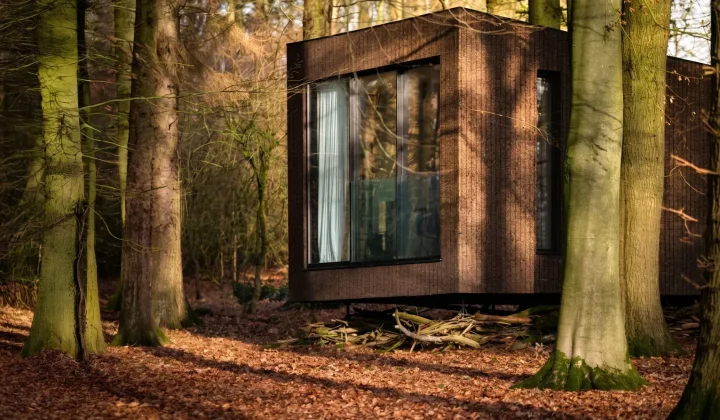
Koto launches Haku, a mobile prefab hotel suite built on a wheeled chassis to bypass UK planning restrictions
UK architecture studio Koto has unveiled Haku, a fully mobile prefabricated suite that legally qualifies as a caravan, allowing landowners and hotel…
Read more
HONG Designworks Completes Private Office in Xi’an That Balances Memory, Materiality, and Long-Term Use
The Xi’an office by HONG Designworks integrates a folded steel staircase, retained furniture from a previous workspace, and a restrained purple-gray palette…
Read more
Handwoven Teak and Cord Outdoor Seating Debuts from Masaya and Abril Zepeda
Nicaraguan furniture brand Masaya has introduced two new handcrafted outdoor chairs — a rocking chair and a lounge chair — designed by…
Read more
Place in Mind: Hendricks Churchill Launches Hospitality Group to Revive Historic Properties
The architecture and interior design studio Hendricks Churchill has launched Place in Mind, a new hospitality group focused on acquiring, restoring, and…
Read moreRelated wiki

Adaptive Reuse in Architecture
Reference page for reuse, retrofit, conversion, embodied carbon and design constraints.
Read more