Choi+Shine Architects Elevates Crochet from Craft to Monumental Public Art
Amsterdam-based studio Choi+Shine Architects transforms traditional crochet into large-scale, immersive installations that redefine public spaces, blending art, architecture, and community engagement.
TITLE: Choi+Shine Architects Elevates Crochet from Craft to Monumental Public Art
SLUG: choi-shine-architects-crochet-public-art
EXCERPT: Amsterdam-based studio Choi+Shine Architects transforms traditional crochet into large-scale, immersive installations that redefine public spaces, blending art, architecture, and community engagement.
CATEGORY: Architecture News
TAGS: Choi+Shine Architects, Crochet, Public Art, Textile Art, Installation Art, Community Engagement
SEO_TITLE: Choi+Shine Architects: Crochet Structures Transform Public Spaces
SEO_DESCRIPTION: Explore how Choi+Shine Architects uses intricate crochet techniques, often with community volunteers, to create monumental, walkable art installations that engage public spaces.
MEDIA_QUERY: Large-scale crocheted installation by Choi+Shine Architects in a public plaza, casting intricate shadows.
IMAGE_ALT: A vast, intricate crocheted structure suspended in a public space, with people walking beneath it.
Choi+Shine Architects, an Amsterdam-based studio founded by Jin Choi and Thomas Shine in 2003, is pushing the boundaries of textile art by transforming traditional crochet into monumental public installations. Their work merges architecture, public art, and craft, creating structures that people can walk beneath and interact with, casting patterned shadows and filtering light.
The studio’s approach begins with a deep engagement with scale and material. Crochet, typically a craft associated with personal adornment or small objects, is expanded to a point where it defines architectural space. This transformation is achieved through a rigorous process that includes drawings, digital models, structural testing, pattern-making, and, crucially, community workshops.
From conceptual proposals to realized installations, Choi+Shine Architects consistently explores how everyday infrastructure can be imbued with a sense of place and human presence. Their 2010 proposal, “The Land of Giants,” envisioned standard electrical transmission towers as anthropomorphized figures marching across the landscape, demonstrating an early interest in reinterpreting repetitive, often overlooked industrial forms into evocative public figures.
Community Collaboration
A defining characteristic of Choi+Shine Architects’ large-scale crochet works is their reliance on community involvement. The studio regularly organizes workshops where local volunteers contribute to the creation of the panels and fragments that ultimately form the final installations. These workshops are meticulously documented, showcasing tables laden with yarn, hands meticulously following diagrams, and finished sections laid out, highlighting the collective labor involved.
This collaborative process imbues the finished pieces with a unique social dimension. While the architects provide the design, engineering, and final assembly, the surface of each installation carries the hours of shared effort. Beginners learn from experienced crocheters, and volunteers engage in repetition, problem-solving, and collective assembly, making the act of creation an integral part of the artwork’s narrative before it even enters the public realm.
Expanding the Canvas
Choi+Shine Architects’ crochet installations move far beyond the scale of individual objects. Works such as “The Urchins,” “The Lace,” “The Trees,” and “The Power of One” function as canopies, screens, walls, and temporary enclosures. Their surfaces, though open and porous, actively shape the surrounding space. Light penetrates the patterned cords, creating dynamic shadow play that shifts throughout the day, inviting bodies to gather and engage with the work’s intricate patterns through movement.
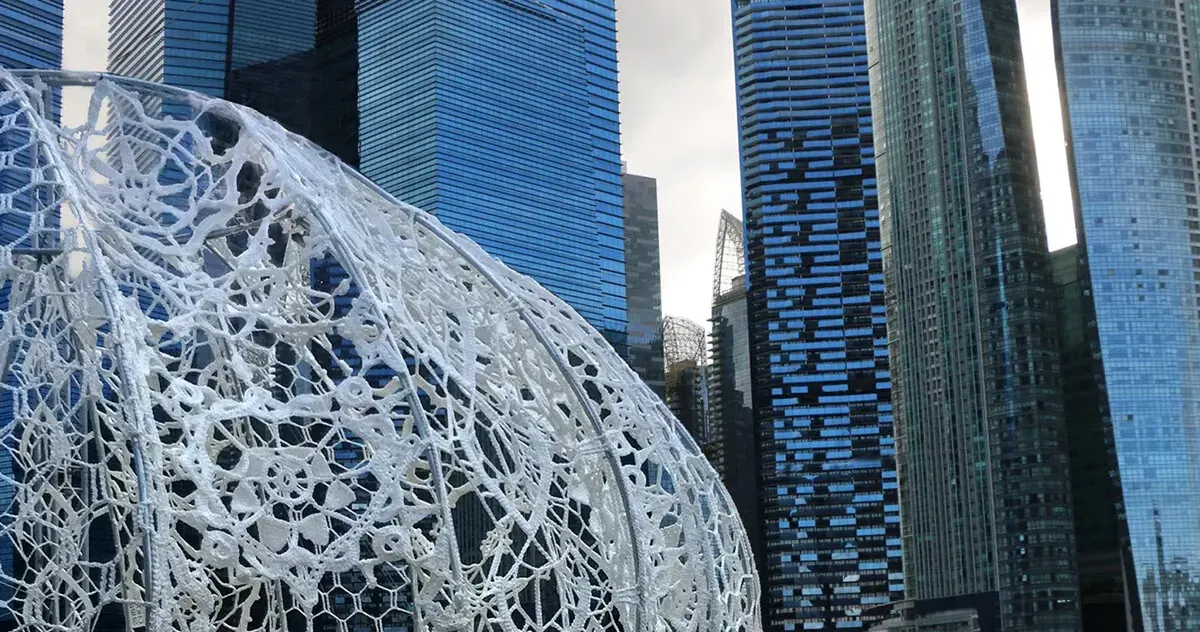
“The Urchins,” initially installed at Marina Bay in Singapore, transforms crocheted lace into large suspended forms that emit a soft glow after dark and cast complex shadows by day. These pieces draw inspiration from marine life without being literal representations, finding strength in the juxtaposition of softness and immense scale, with hand-crocheted surfaces supported by robust structural frames. In these works, crochet is not merely decorative but becomes the primary spatial system.
“The Lace,” a notable installation for the Amsterdam Light Festival, extended this concept over water. Suspended across the Herengracht canal, the illuminated work presented a vast lace plane within the urban corridor. Its intricate pattern was visible from the street, from passing boats, and in its reflection, transforming a familiar waterway into a layered tapestry of light and thread.
Other projects explore more symbolic territories. “The Feather” in Brussels utilized lace as a delicate, suspended element adjacent to the monumental Palais de Justice, contrasting textile fragility with civic gravitas. “The Berlin” was proposed as a temporary wall and threshold meandering through a train station, using lace to articulate themes of division, passage, and release. Across these varied sites and tones, a central question persists: how can a thin line create space?
A recent project, “Distance,” created for the Hangzhou Triennial of Fiber Art, exemplifies the studio’s rich integration of local references and community craftsmanship. Drawing inspiration from Hangzhou’s waterways, Chinese zodiac imagery, local architectural styles, and traditional lace crafts, Choi+Shine translated these elements into large crocheted forms suspended within the museum space. The creation process, documented through sketches, CAD drawings, and crochet diagrams, involved a significant group of volunteers, many of whom participated through museum-connected workshops. The shared patterns, tested and adjusted across different skill levels, wove the making process directly into the installation’s cultural fabric, demonstrating a profound connection between computation, handcraft, and community.
Key facts
| Aspect | Detail |
|---|---|
| Studio | Choi+Shine Architects |
| Founders | Jin Choi and Thomas Shine |
| Founding Year | 2003 |
| Core Technique | Large-scale crochet installations |
| Key Element | Community workshops and volunteer participation |
| Notable Projects | The Land of Giants, The Urchins, The Lace, Distance |
The work of Choi+Shine Architects is significant for an architecture and design audience as it challenges conventional notions of material use and spatial definition. By elevating crochet to the scale of architectural interventions, they demonstrate how craft can be a powerful tool for public art and urban placemaking, fostering community engagement and creating visually striking, human-centered experiences within the built environment.
Source: https://www.designboom.com/art/crochet-structures-choi-shine-intricate-group-made-stitches-craft/
Source
Designboom Original publication: 2026-06-30T01:30:45+00:00
Related news
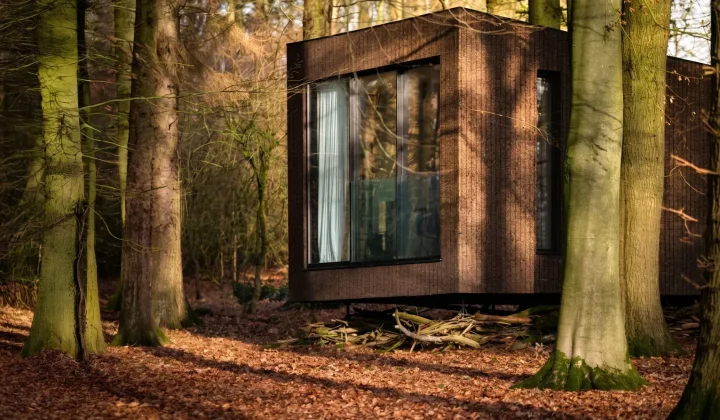
Koto launches Haku, a mobile prefab hotel suite built on a wheeled chassis to bypass UK planning restrictions
UK architecture studio Koto has unveiled Haku, a fully mobile prefabricated suite that legally qualifies as a caravan, allowing landowners and hotel…
Read more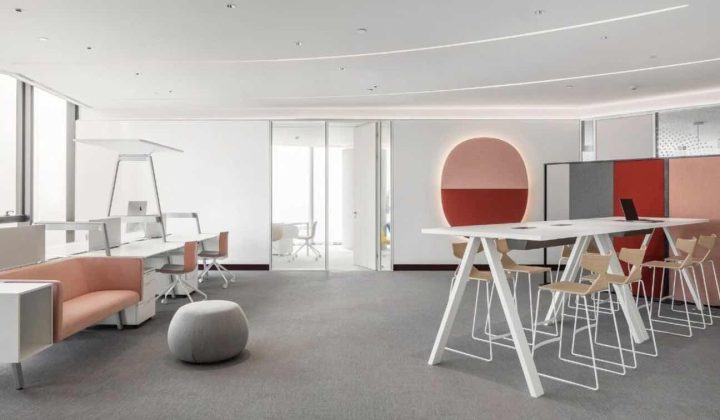
HONG Designworks Completes Private Office in Xi’an That Balances Memory, Materiality, and Long-Term Use
The Xi’an office by HONG Designworks integrates a folded steel staircase, retained furniture from a previous workspace, and a restrained purple-gray palette…
Read more
Handwoven Teak and Cord Outdoor Seating Debuts from Masaya and Abril Zepeda
Nicaraguan furniture brand Masaya has introduced two new handcrafted outdoor chairs — a rocking chair and a lounge chair — designed by…
Read more
Place in Mind: Hendricks Churchill Launches Hospitality Group to Revive Historic Properties
The architecture and interior design studio Hendricks Churchill has launched Place in Mind, a new hospitality group focused on acquiring, restoring, and…
Read moreRelated wiki
Adaptive Reuse in Architecture
Reference page for reuse, retrofit, conversion, embodied carbon and design constraints.
Read more