
AI Transforms Home Renovation with Smarter Design Technology
Artificial intelligence is revolutionizing the home remodeling process, offering homeowners realistic design visualizations, faster decision-making, and personalized renovation ideas to simplify complex projects.
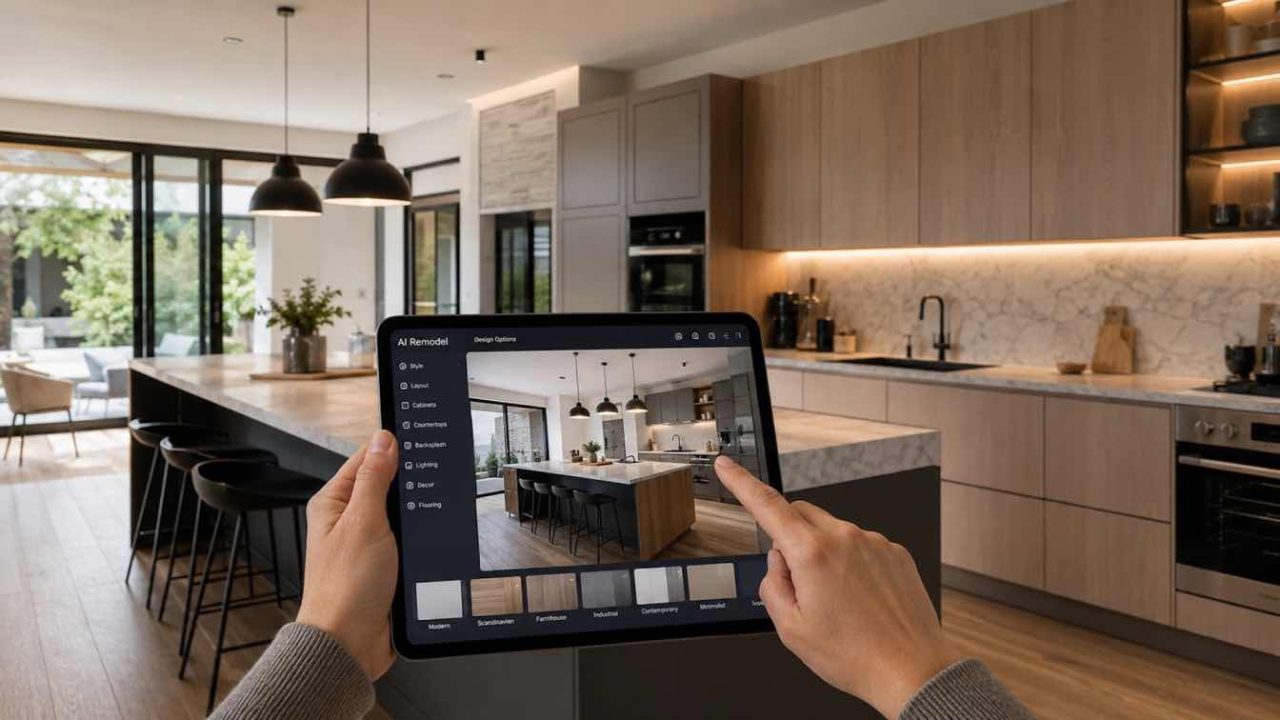
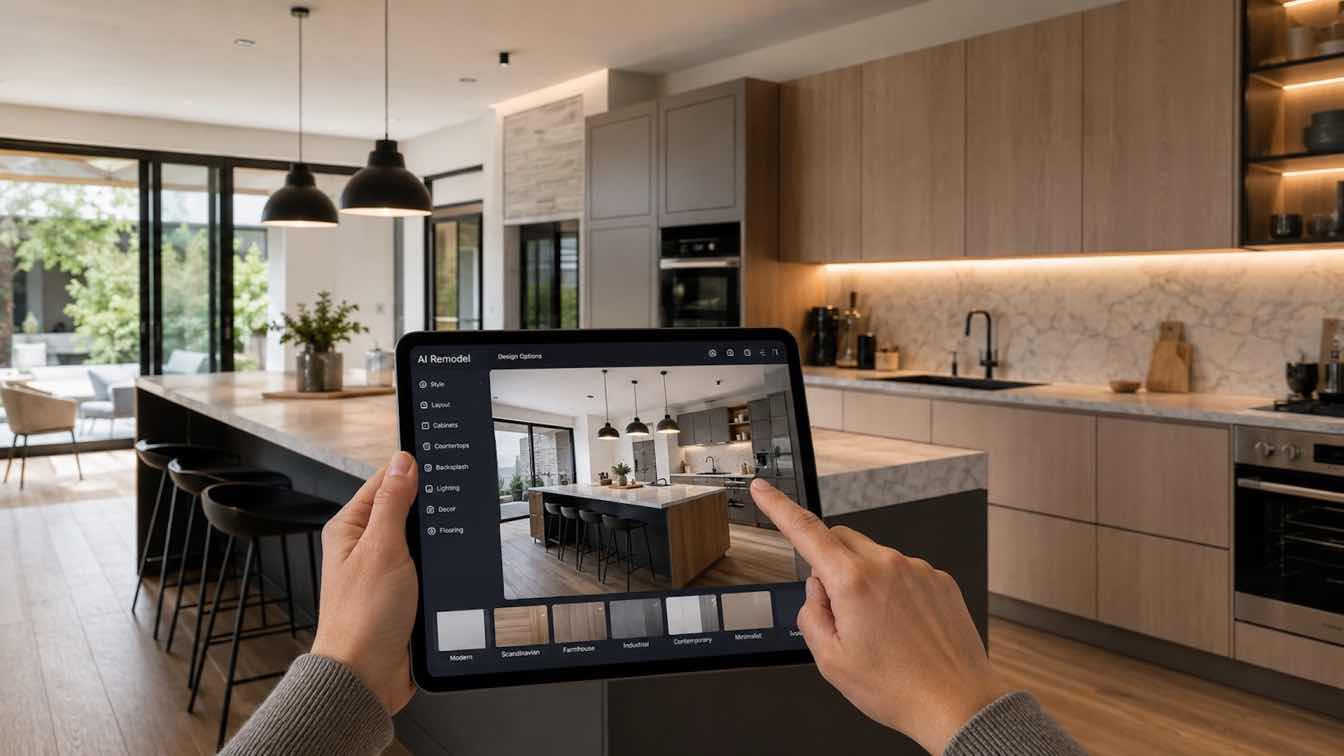
Artificial intelligence is emerging as a powerful tool for homeowners looking to simplify and enhance the home remodeling process. AI-powered platforms are now capable of generating realistic design concepts, allowing individuals to visualize their renovation ideas before any physical work begins, thereby reducing uncertainty and improving decision-making.
The integration of AI into remodeling addresses the inherent challenges of home improvement projects, which often involve complex choices regarding layouts, materials, colors, and finishes. By analyzing room dimensions, existing photos, and user preferences, these intelligent tools can produce customized remodeling concepts for various spaces, including kitchens, bathrooms, living areas, and even outdoor spaces.
Key Facts
| Feature | Description |
|---|---|
| AI Remodeling | Utilizes AI to assist in planning, designing, and visualizing renovations. |
| Visualization | Generates realistic renderings of potential design outcomes. |
| Efficiency | Produces multiple design concepts rapidly, reducing revision time. |
| Cost Reduction | Helps avoid costly mistakes by previewing changes before implementation. |
| User-Friendliness | Designed for both beginners and professionals. |
Streamlining the Design Process
Traditional remodeling projects often involve numerous design revisions, a process that can be time-consuming and costly. AI remodeling tools offer a significant advantage by generating multiple design concepts within minutes. This allows homeowners to compare various ideas and styles much more quickly, moving from imagination to realistic renderings that illustrate how different materials, layouts, and color schemes will integrate. This capability empowers users to experiment with different styles, layouts, and finishes without committing to permanent changes or purchasing materials prematurely, thereby minimizing unnecessary expenses and potential design errors.
The process typically involves users uploading images of their existing spaces or creating floor plans based on room measurements. From there, they can select from a variety of interior styles, modify elements such as cabinets, flooring, paint colors, lighting, furniture, and fixtures. The AI then generates realistic remodeling concepts, allowing for iterative adjustments until the desired vision is achieved.
Applications Across the Home
AI’s application extends across the entire home, offering specialized tools for different areas. In kitchens, AI can help explore various cabinet styles, countertops, backsplashes, flooring options, and appliance placements. For bathrooms, AI can generate concepts for walk-in showers, bathtubs, vanities, tile patterns, and fixture arrangements. Living rooms and bedrooms can benefit from AI’s ability to visualize different furniture layouts, wall colors, and lighting schemes. Even home offices and outdoor spaces can be planned with optimized layouts and design elements using these technologies.
Exploring Design Styles
One of AI remodeling’s primary benefits is the rapid exploration of diverse design styles. Whether a homeowner prefers the clean lines of modern interiors, the sleek finishes of contemporary spaces, the warmth of rustic designs, the simplicity of Scandinavian aesthetics, the edginess of urban-inspired looks, or the timeless elegance of classic architecture, AI can quickly generate visualizations for each. This broadens design possibilities and helps users find a style that best suits their preferences and home architecture.
Practical Advantages for Stakeholders
The benefits of AI remodeling are multifaceted and extend to various stakeholders. Homeowners gain the confidence to plan renovations thoroughly before engaging contractors. Interior designers can leverage AI to quickly present multiple concepts to clients, enhancing client understanding and satisfaction. Builders can improve their project presentations, and property developers can effectively showcase renovation potential. DIY enthusiasts also find value in experimenting with design ideas before investing in materials and labor.
Future Outlook in Home Improvement
The trajectory of AI in home improvement suggests continued innovation. Future advancements are expected to include augmented reality walkthroughs, automated budgeting assistance, personalized material recommendations, seamless smart home integration, energy-efficient design suggestions, and even predictive maintenance insights. As these technologies evolve, AI is poised to make home remodeling simpler, faster, and more accessible than ever before.
Source: Amazing Architecture – AI Remodeling: Transform Your Home with Smarter Design Technology (https://amazingarchitecture.com/articles/ai-remodeling-transform-your-home-with-smarter-design-technology)
Source
Amazing Architecture Original publication: 2026-07-04T16:00:31+00:00
Related news
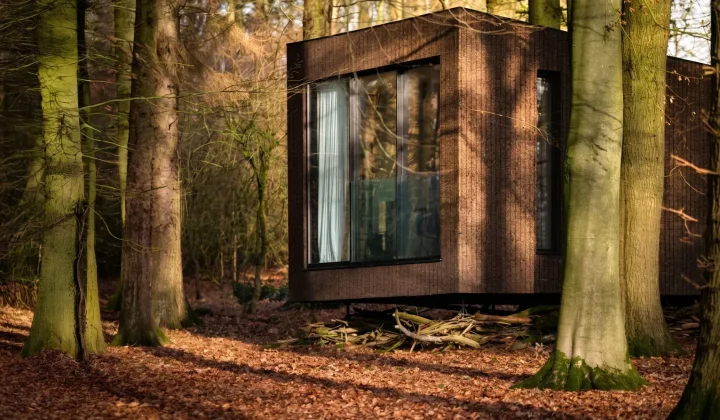
Koto launches Haku, a mobile prefab hotel suite built on a wheeled chassis to bypass UK planning restrictions
UK architecture studio Koto has unveiled Haku, a fully mobile prefabricated suite that legally qualifies as a caravan, allowing landowners and hotel…
Read more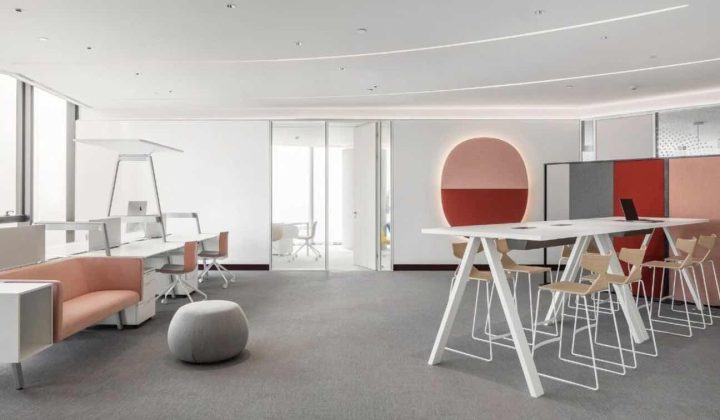
HONG Designworks Completes Private Office in Xi’an That Balances Memory, Materiality, and Long-Term Use
The Xi’an office by HONG Designworks integrates a folded steel staircase, retained furniture from a previous workspace, and a restrained purple-gray palette…
Read more
Handwoven Teak and Cord Outdoor Seating Debuts from Masaya and Abril Zepeda
Nicaraguan furniture brand Masaya has introduced two new handcrafted outdoor chairs — a rocking chair and a lounge chair — designed by…
Read more
Place in Mind: Hendricks Churchill Launches Hospitality Group to Revive Historic Properties
The architecture and interior design studio Hendricks Churchill has launched Place in Mind, a new hospitality group focused on acquiring, restoring, and…
Read moreRelated wiki

Adaptive Reuse in Architecture
Reference page for reuse, retrofit, conversion, embodied carbon and design constraints.
Read more