
Enhancing Home Performance: Key Window Retrofit Strategies for Energy Efficiency and Comfort
Architects and homeowners can significantly improve energy efficiency, thermal comfort, and acoustic performance by implementing strategic window retrofits, even in existing buildings.
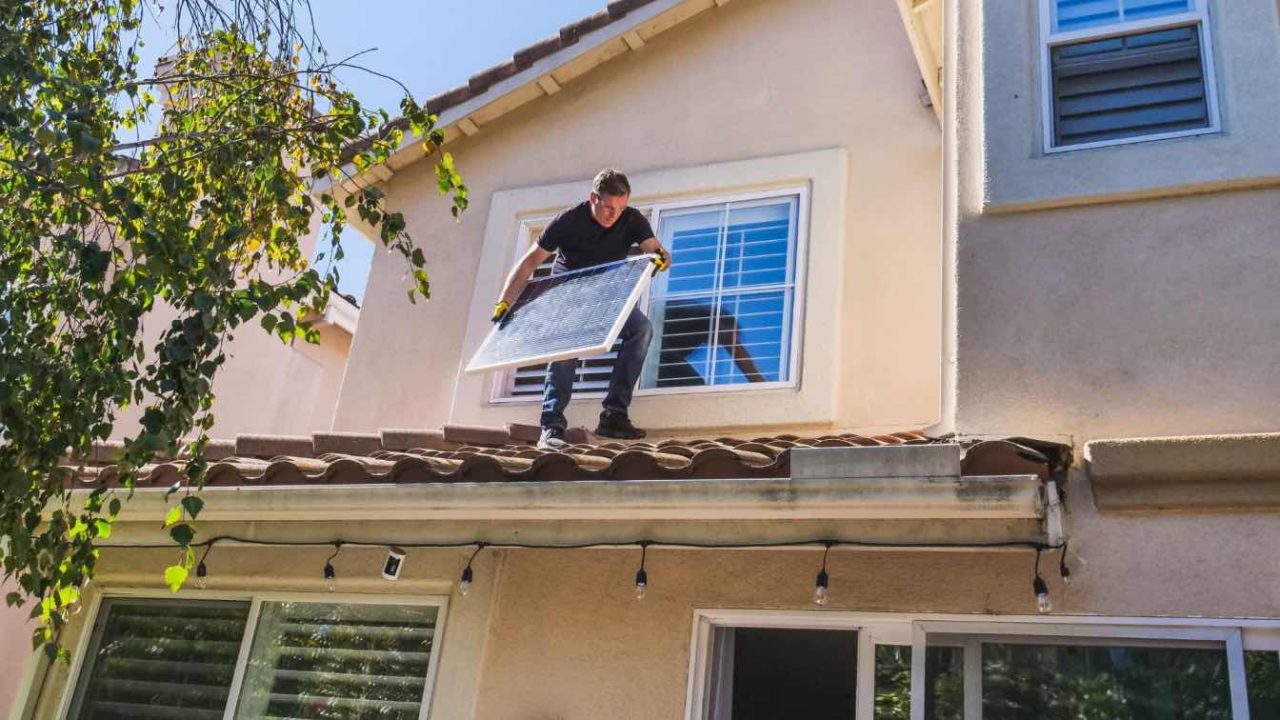
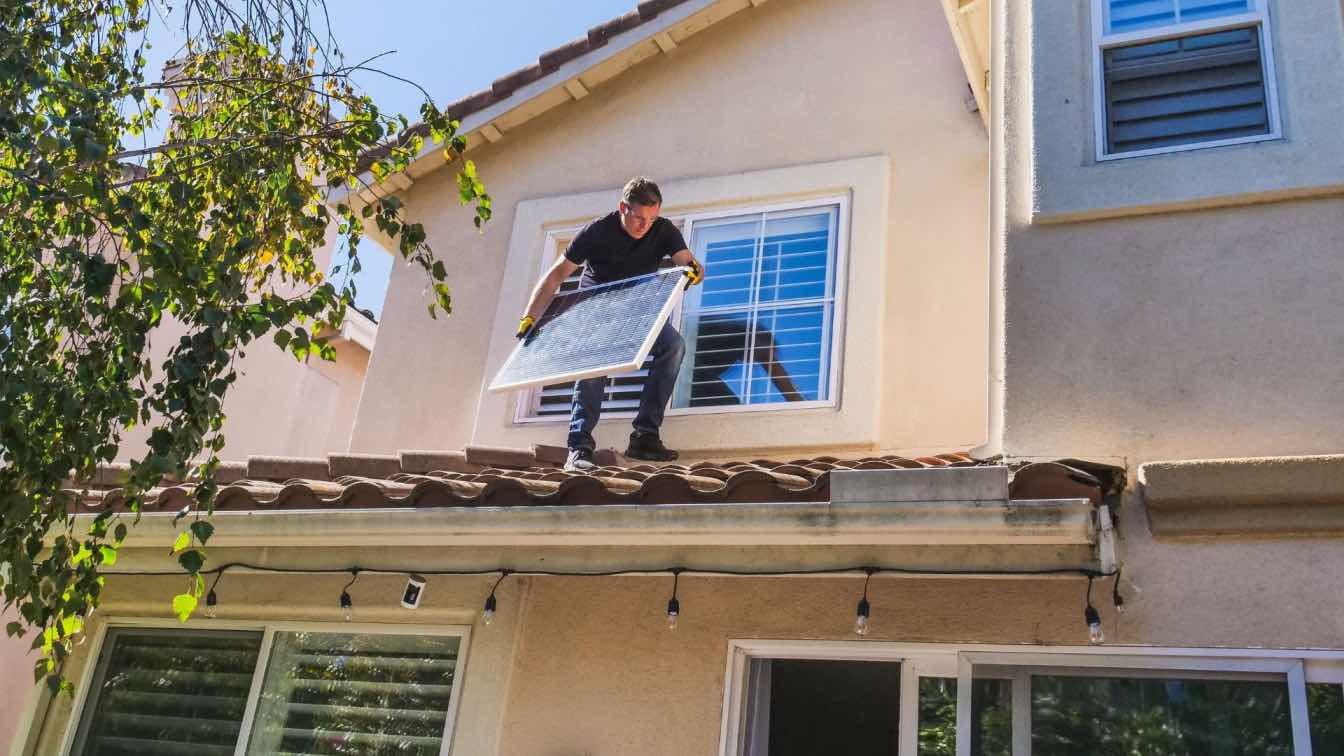
Windows play a critical role in a home’s overall performance, influencing energy efficiency, occupant comfort, and aesthetic appeal. While new constructions offer the opportunity to integrate state-of-the-art glazing from the outset, substantial improvements can also be achieved in existing homes through thoughtful window retrofits. These upgrades are often among the most impactful for architects and homeowners aiming for high-performance design, delivering noticeable benefits in reducing energy consumption, enhancing thermal comfort, improving acoustics, and contributing to lower carbon emissions.
Key Window Retrofit Strategies
Air Sealing and Weatherstripping
Even the most advanced windows can underperform if air leaks around their frames and openings. Addressing these vulnerabilities through weatherstripping, sealants, and meticulous sealing of small gaps is crucial. This prevents drafts and minimizes unwanted heat transfer, leading to more consistent indoor temperatures year-round. Consequently, this reduces the workload on HVAC systems, resulting in improved energy efficiency and lower utility bills.
Warm-Edge Spacers
Traditional aluminum spacers within insulated glass units can conduct heat, diminishing the window’s thermal performance. The adoption of “warm-edge” spacers creates a more effective thermal break along the edge of the glass. This not only helps to reduce condensation but also conserves energy. Over time, this modification can also enhance wear resistance and improve comfort for those seated near the windows.
Low-E Coatings
Low-emissivity (Low-E) coatings are a sophisticated solution for managing solar heat gain and heat loss while still allowing ample natural daylight. Modern Low-E technologies are designed with various formulations tailored to specific climates and weather patterns. By reflecting long-wave infrared radiation and short-wave visible light, these coatings help maintain a comfortable indoor environment throughout the seasons, lessening the reliance on heating and cooling systems. Window upgrades incorporating Low-E coatings represent a significant investment in a home’s comfort and efficiency.
Climate-Specific Glazing
The optimal glazing configuration for a window varies significantly by region and climate. Selecting glass with appropriate Solar Heat Gain Coefficient (SHGC) values and insulation properties is essential for maximizing both occupant comfort and energy efficiency. Factors such as local sunlight intensity, temperature fluctuations, and prevailing energy-saving practices all influence the best window choices for a particular house.
Frame Materials
Beyond the glass itself, the window frame material plays a vital role in thermal performance. Modern materials like fiberglass, composites, and insulated vinyl offer superior insulation compared to traditional, highly conductive frames. By minimizing thermal bridging, these advanced frames complement the glazing system and contribute to a more efficient building envelope.
Directional SHGC Adjustment
Buildings receive varying amounts of sunlight depending on their orientation. South- and west-facing windows, for instance, typically require different performance characteristics than those facing north. By adjusting the SHGC ratio based on window direction, designers can gain better control over solar heat gain. This targeted approach leads to enhanced comfort and reduced energy consumption.
Exterior Shading Devices
Implementing exterior shading devices such as overhangs, architectural screens, awnings, or adjustable louvers can effectively prevent solar heat from reaching the glass surface. These systems significantly reduce air-conditioning loads and can also contribute positively to the building’s overall aesthetic. A well-designed shading system offers both functional and visual benefits.
Acoustic Glazing
In urban and suburban environments, noise reduction is a significant consideration. Acoustic glazing, which involves specialized glass units designed for soundproofing, offers a discreet yet effective solution. This technology can be integrated without altering the external appearance of the building, providing a quieter interior environment.
Smart Window Technologies
Advanced smart technologies enable windows and shading systems to adapt automatically to external conditions. Through integrated sensors, features like automatic tinting or ventilation can be controlled based on factors such as room occupancy, sunlight levels, or ambient temperature, further optimizing comfort and energy use.
Ember-Proof Screens for Wildfire Zones
In regions prone to wildfires, ember-proof window screens provide an essential layer of safety. These screens are designed to prevent the passage of fire particles through windows and other building openings, offering crucial protection against ignition.
Retrofitting windows is one of the most straightforward methods to enhance a home’s energy efficiency, comfort, durability, and sustainability. Whether through meticulous air sealing or the installation of high-performance windows, these upgrades contribute significantly to the building envelope’s overall performance. Making informed choices based on climate, architectural intent, and site-specific conditions is key to ensuring long-term benefits from window retrofits. As efficient home design continues to evolve, strategic window retrofitting remains one of the most valuable investments for homeowners.
Key facts
| Feature | Benefit |
|————————-|————————————————————————-|
| Air Sealing | Reduces drafts, improves HVAC efficiency, enhances comfort. |
| Low-E Coatings | Manages solar gain/heat loss, increases natural light, improves comfort.|
| Climate-Specific Glazing| Optimizes comfort and energy efficiency based on local conditions. |
| Smart Technologies | Automates window functions for enhanced comfort and energy savings. |
These window retrofit strategies are vital for architects and homeowners focused on creating high-performance buildings. By addressing window efficiency, they can achieve substantial improvements in energy consumption, occupant comfort, and the overall sustainability of the dwelling.
Source: Amazing Architecture, https://amazingarchitecture.com/articles/10-window-retrofits-for-high-performance-homes
Datos clave
| Punto | Detalle |
|---|---|
| Fuente | Amazing Architecture |
| Fecha | 2026-07-10T00:56:18+00:00 |
| Tema | 10 Window Retrofits for High-Performance Homes |
Source
Amazing Architecture Original publication: 2026-07-10T00:56:18+00:00
Related news
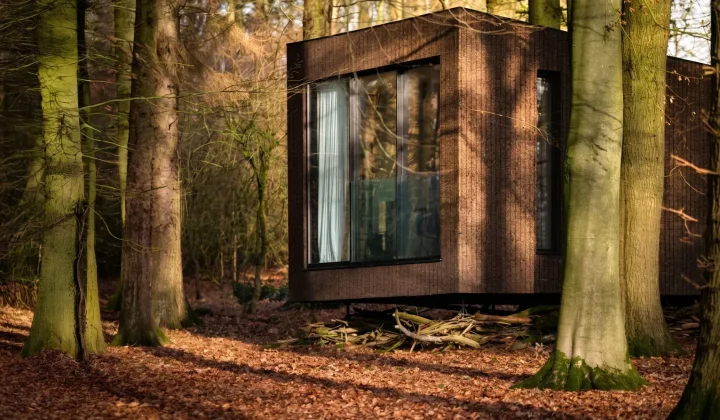
Koto launches Haku, a mobile prefab hotel suite built on a wheeled chassis to bypass UK planning restrictions
UK architecture studio Koto has unveiled Haku, a fully mobile prefabricated suite that legally qualifies as a caravan, allowing landowners and hotel…
Read more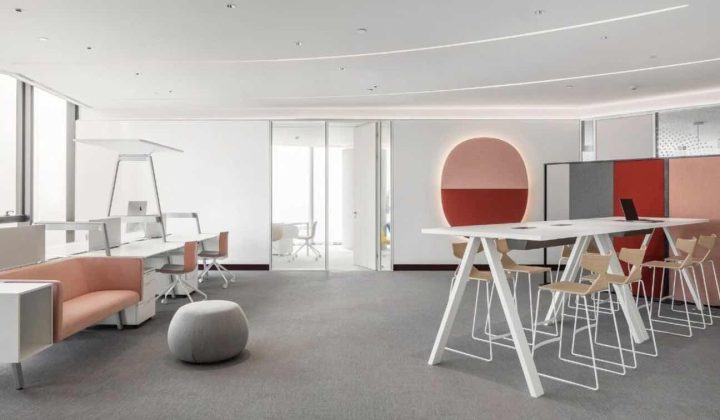
HONG Designworks Completes Private Office in Xi’an That Balances Memory, Materiality, and Long-Term Use
The Xi’an office by HONG Designworks integrates a folded steel staircase, retained furniture from a previous workspace, and a restrained purple-gray palette…
Read more
Handwoven Teak and Cord Outdoor Seating Debuts from Masaya and Abril Zepeda
Nicaraguan furniture brand Masaya has introduced two new handcrafted outdoor chairs — a rocking chair and a lounge chair — designed by…
Read more
Place in Mind: Hendricks Churchill Launches Hospitality Group to Revive Historic Properties
The architecture and interior design studio Hendricks Churchill has launched Place in Mind, a new hospitality group focused on acquiring, restoring, and…
Read moreRelated wiki

Adaptive Reuse in Architecture
Reference page for reuse, retrofit, conversion, embodied carbon and design constraints.
Read more