Digital Archive Catalogs Sustainable Materials from Mycelium to Algae for Creative Practices
The Jan van Eyck Academie's Future Materials Bank offers a growing online repository of innovative, sustainable materials developed by artists and designers, fostering a more environmentally conscious approach to creative work.
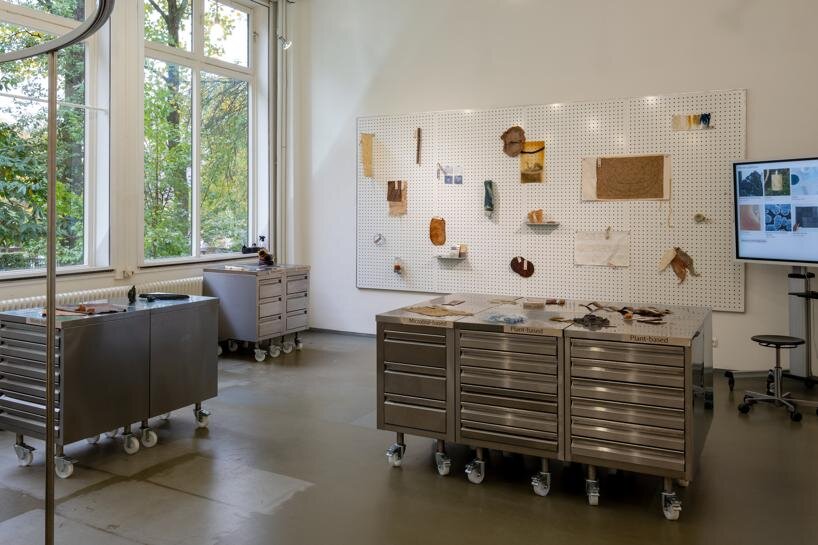
The Jan van Eyck Academie in the Netherlands has established the Future Materials Bank, a comprehensive digital archive dedicated to cataloging, developing, and disseminating alternative materials for artists and designers. Launched in 2020, the online repository has amassed over five hundred crowd-sourced projects, featuring innovative uses of materials ranging from mycelium and algae to repurposed waste products.
The initiative aims to push the boundaries of sustainable material use within creative fields, providing a crucial resource for practitioners seeking environmentally conscious alternatives. Beyond its online presence, the Bank also operates as a research lab, offers fellowships, and records encounters with the makers and materials featured on its platform.
Future Materials Program
In conversation with designboom, members of the Future Materials programme, including Lab coordinator Dorieke Schreurs, Future Materials Fellow Sophie Boylan, and Head of Communications and Strategy Solange Roosen, detailed the evolution and impact of the initiative. The concept for the Lab emerged in 2019, but the onset of the COVID-19 pandemic prompted a shift towards an online-first approach.
“So, the programme was conceived as an online bank,” explained Roosen. “That was the beginning… we sourced materials, artists and designers who were working in this field and set it up. In the last six years, it has grown quite a lot, gained quite some attention and recognition, and more makers joined. We were able to expand the programme; reinstall the Lab, do encounters with makers, and initiate fellowships.”
Diverse Material Submissions
The online database actively encourages public submissions and showcases a wide array of materials, organized by their component parts. Notable examples include “Materia Madura: Reflexión,” a series of mirrors framed with plantain, coffee, and aluminum waste, reflecting common waste materials from Puerto Rico, designed by Ana Cristina Quiñones. Another featured project is “Myco Colour,” by designer and researcher Liene Kazaka, which utilizes the mushroom Blue Elf Cup to create an electric teal dye. These projects and discussions surrounding them are accessible through the Future Materials Encounter series on the Academie’s site.
Materials can be filtered by qualities such as ‘animal material,’ ‘vegan,’ and ‘bioplastic.’ The contributions span a broad spectrum of reuse and invention, from the responsible utilization of asbestos to the transformation of menstrual blood into wearable jewelry.
Human Waste Materials Spark Dialogue
Schreurs highlighted that human waste materials often generate the most discussion among visitors to the lab. These include textiles made from human hair and soap crafted from urine, which serve as effective conversation starters.
Fellowship Focus on Sustainable Fashion
Sophie Boylan, a 2026 fellow alongside visual ecologist Punxh Peerasin Hutaphaet, brought her extensive background in fashion, particularly luxury and embroidery, to the program. Her experience revealed the inherent unsustainability of the fashion industry, especially concerning the vast production and waste of petroleum-based plastics in sequins.
During her 11-month fellowship, Boylan has been developing alternatives to traditional sequins using biomaterials and waste streams. Her primary focus is on creating sequins from a bioplastic base of cellulose and agar derived from seaweed. She is also incorporating food waste and even cigarette butts collected from the streets into her experiments, aiming for a circular, completely biodegradable product that maintains its integrity when worn.
A Day in the Lab
Schreurs described the lab environment as consistently dynamic. She recounted an instance where she and Boylan collected cigarette butts from the streets of Maastricht to test the possibility of extracting cellulose. “It was possible, yeah,” Schreurs noted with a laugh, acknowledging the pungent odor involved in the process.
Key facts
Name: Future Materials Bank
Location: Jan van Eyck Academie, The Netherlands
Launched: 2020
2026 Fellows: Punxh Peerasin Hutaphaet, Sophie Boylan
The Future Materials Bank represents a significant step towards a more sustainable future in art and design, providing a vital platform for the exploration and adoption of innovative materials. Its accessible database and active research initiatives empower creators to make more environmentally responsible choices in their work.
Source: designboom – https://www.designboom.com/design/mycelium-algae-digital-archive-sustainable-materials-creative-practices/
Datos clave
| Punto | Detalle |
|---|---|
| Fuente | Designboom |
| Fecha | 2026-07-09T16:10:19+00:00 |
| Tema | mycelium to algae, this digital archive gathers sustainable materials for creative practices |
Source
Designboom Original publication: 2026-07-09T16:10:19+00:00
Related news
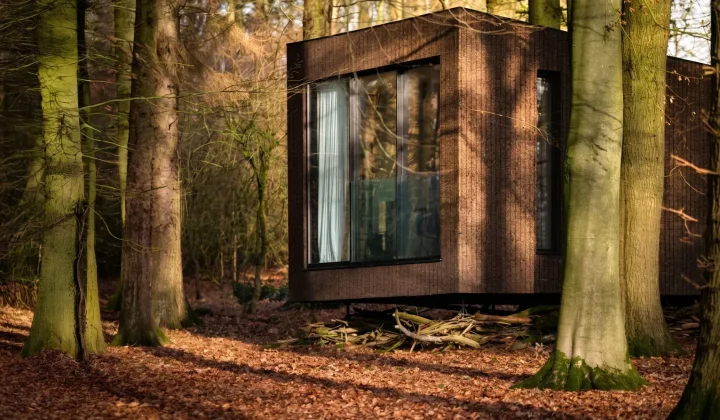
Koto launches Haku, a mobile prefab hotel suite built on a wheeled chassis to bypass UK planning restrictions
UK architecture studio Koto has unveiled Haku, a fully mobile prefabricated suite that legally qualifies as a caravan, allowing landowners and hotel…
Read more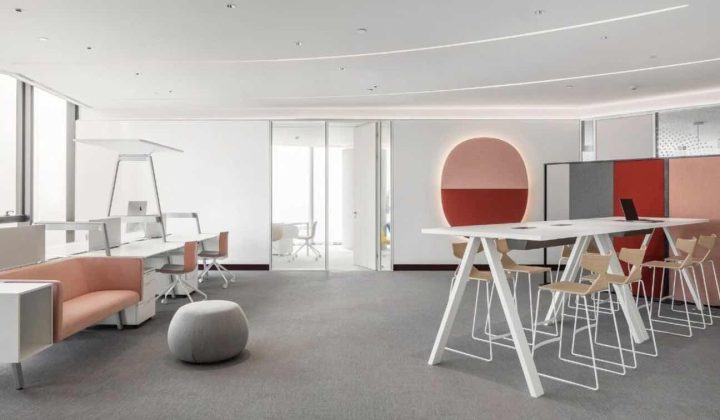
HONG Designworks Completes Private Office in Xi’an That Balances Memory, Materiality, and Long-Term Use
The Xi’an office by HONG Designworks integrates a folded steel staircase, retained furniture from a previous workspace, and a restrained purple-gray palette…
Read more
Handwoven Teak and Cord Outdoor Seating Debuts from Masaya and Abril Zepeda
Nicaraguan furniture brand Masaya has introduced two new handcrafted outdoor chairs — a rocking chair and a lounge chair — designed by…
Read more
Place in Mind: Hendricks Churchill Launches Hospitality Group to Revive Historic Properties
The architecture and interior design studio Hendricks Churchill has launched Place in Mind, a new hospitality group focused on acquiring, restoring, and…
Read moreRelated wiki
Adaptive Reuse in Architecture
Reference page for reuse, retrofit, conversion, embodied carbon and design constraints.
Read more