
Decluttering Emerges as Foundational Step in Modern Home Design
Architects and designers emphasize that clearing physical clutter is the essential first step to achieving the clean lines, open spaces, and functional beauty that define contemporary residential architecture.


Modern home design, characterized by its clean lines, open spaces, and emphasis on functional beauty, often overlooks a crucial initial step: decluttering. According to insights from Amazing Architecture, the true architectural transformation begins long before new furniture arrives or paint is applied. Clearing physical clutter allows the inherent character of a space and its architectural elements to truly shine.
The minimalist aesthetic, a hallmark of contemporary design, requires a deliberate editing of one’s surroundings. Clear surfaces not only reflect more natural light, making spaces feel larger and more inviting, but they also accentuate the structural beauty of a building. Uncluttered walls draw attention to unique architectural features and the materials used in construction, allowing the building’s form to take center stage.
Minimalist design is not about stark, empty environments. Instead, it’s about a focused selection of quality materials and intentional decor that allows them to speak for themselves. This approach is evident in many of today’s most successful architectural spaces.
The Importance of a Clean Slate
For large-scale design changes and renovations, clearing out old materials is a necessary precursor to construction. Efficient cleanup processes, often facilitated by services like dumpster rentals, are vital during major home transformations. This ensures that homeowners and design teams can concentrate on selecting new interior finishes and executing architectural plans, rather than managing debris.
A clean and organized worksite is also essential for contractor safety and efficiency. Removing damaged or outdated structures provides a blank canvas, preventing delays and allowing the design team to focus on the creative and construction aspects. This initial clearing phase is fundamental for a smooth renovation process, enabling architects and builders to work without obstacles.
Curating for Current Lifestyles
Many homeowners tend to hold onto items that no longer fit their current lifestyles, often based on past or aspirational living. A shift in mindset, focusing on matching possessions to the life one currently lives rather than a hoped-for future, is recommended. This perspective encourages functional furniture choices and intentional decor, moving away from aspirational clutter.
Every item retained in a home should serve a clear purpose, ensuring the environment reflects daily needs and present reality. Objectively evaluating possessions allows for the curation of a cohesive aesthetic, where each piece of furniture has space to breathe, contributing to an intentional and luxurious feel. The goal is to create a home that feels like a curated gallery rather than a storage unit.
Integrated and Concealed Storage
When possessions are pared down, the remaining items require smart placement. Modern homes are increasingly incorporating storage solutions that maintain clean visual lines and remain discreet. Concealed cabinets and built-in shelving support sleek architectural aesthetics, integrating storage seamlessly into the walls to maintain the flow and visual peace of living spaces.
Designers often utilize push-to-open doors and hidden panels to achieve this seamless look. This smart integration of storage allows flat surfaces to remain clear. When counters and tables are free of daily clutter, the architectural lines of the furniture and the space itself become more prominent, significantly enhancing the visual quality of living areas.
A Structured Approach to Decluttering
Tackling an entire home can feel overwhelming. A structured approach, such as a 10-day plan that addresses one category of items at a time, can make the project manageable and prevent owner fatigue. Starting with smaller areas, like a single drawer or closet, builds momentum and provides an immediate sense of accomplishment, motivating progress through larger rooms.
Planning the decluttering schedule in advance prevents the process from stalling midway. Dark and cramped interiors often result from poor spatial layout and crowded surfaces. Removing unnecessary furniture and items immediately opens pathways for natural light to travel deeper into the home, creating an airy and inviting atmosphere.
A well-planned layout allows for better movement and traffic flow, a key element in modern architecture. When physical obstacles are removed, the home feels larger and more harmonious. This openness is crucial for creating a peaceful residential retreat.
Conclusion: The Architectural Canvas
Starting the home design journey with decluttering prepares a space for meaningful aesthetic upgrades. It shifts the focus from managing clutter to appreciating architectural form and materials. A clean, clear home serves as the ultimate canvas for expressing personal style, making room for a functional, modern environment that truly inspires daily living.
Key facts:
| Aspect | Details |
|——————-|————————————————————————-|
| Core Principle | Decluttering as the foundational step for modern home design. |
| Design Benefits | Enhanced natural light, larger perceived space, highlighted architecture. |
| Storage Solutions | Emphasis on integrated, concealed, and built-in storage. |
| Approach | Structured, category-based decluttering for manageability. |
This development matters for Paionia7 readers as it underscores a fundamental principle in contemporary architectural and interior design. It highlights that achieving the aesthetic goals of modernism—clean lines, open spaces, and functional beauty—begins with a process often overlooked: rigorous decluttering. This approach not only enhances the visual appeal but also optimizes the use of natural light and accentuates the inherent architectural features of a space, providing a practical guide for homeowners and design enthusiasts.
Source: Amazing Architecture – https://amazingarchitecture.com/articles/why-decluttering-is-the-first-step-to-modern-home-design
Datos clave
| Punto | Detalle |
|---|---|
| Fuente | Amazing Architecture |
| Fecha | 2026-07-14T22:29:25+00:00 |
| Tema | Why Decluttering is the First Step to Modern Home Design |
Source
Amazing Architecture Original publication: 2026-07-14T22:29:25+00:00
Related news
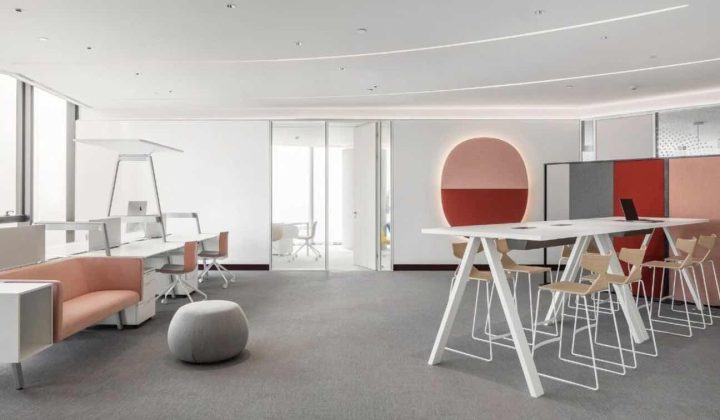
HONG Designworks Completes Private Office in Xi’an That Balances Memory, Materiality, and Long-Term Use
The Xi’an office by HONG Designworks integrates a folded steel staircase, retained furniture from a previous workspace, and a restrained purple-gray palette…
Read more
Handwoven Teak and Cord Outdoor Seating Debuts from Masaya and Abril Zepeda
Nicaraguan furniture brand Masaya has introduced two new handcrafted outdoor chairs — a rocking chair and a lounge chair — designed by…
Read more
Place in Mind: Hendricks Churchill Launches Hospitality Group to Revive Historic Properties
The architecture and interior design studio Hendricks Churchill has launched Place in Mind, a new hospitality group focused on acquiring, restoring, and…
Read more
Adalberto Dias Architects Complete Restoration of Lisbon’s Patriarchal Cathedral and Archaeological Center
The restoration of the Sé de Lisboa by Adalberto Dias Arquitecto integrates a new archaeological center, preserved cloisters, and seven centuries of…
Read moreRelated wiki
Adaptive Reuse in Architecture
Reference page for reuse, retrofit, conversion, embodied carbon and design constraints.
Read more