
Harmonizing Modern Dining Sets: A Guide to Proportion, Material, and Shared Elements
Achieve a cohesive and balanced dining space by understanding the interplay of proportion, material selection, and design cues when pairing modern dining tables and chairs.
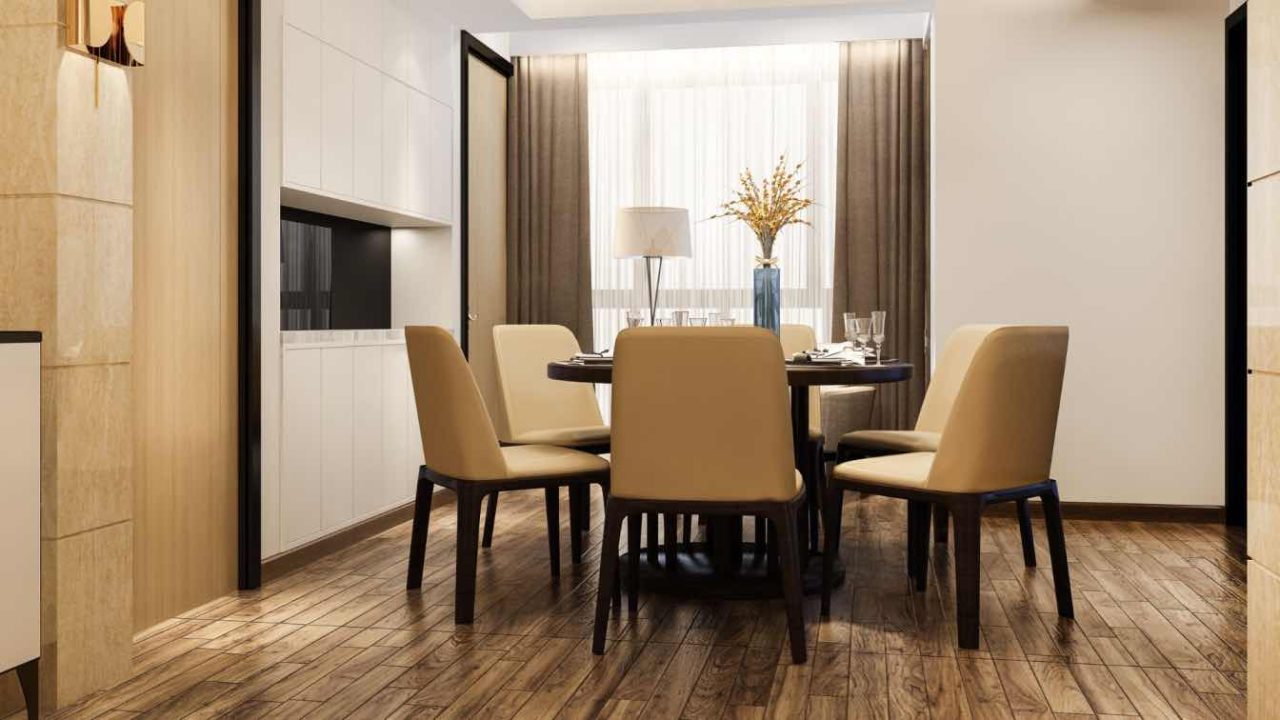
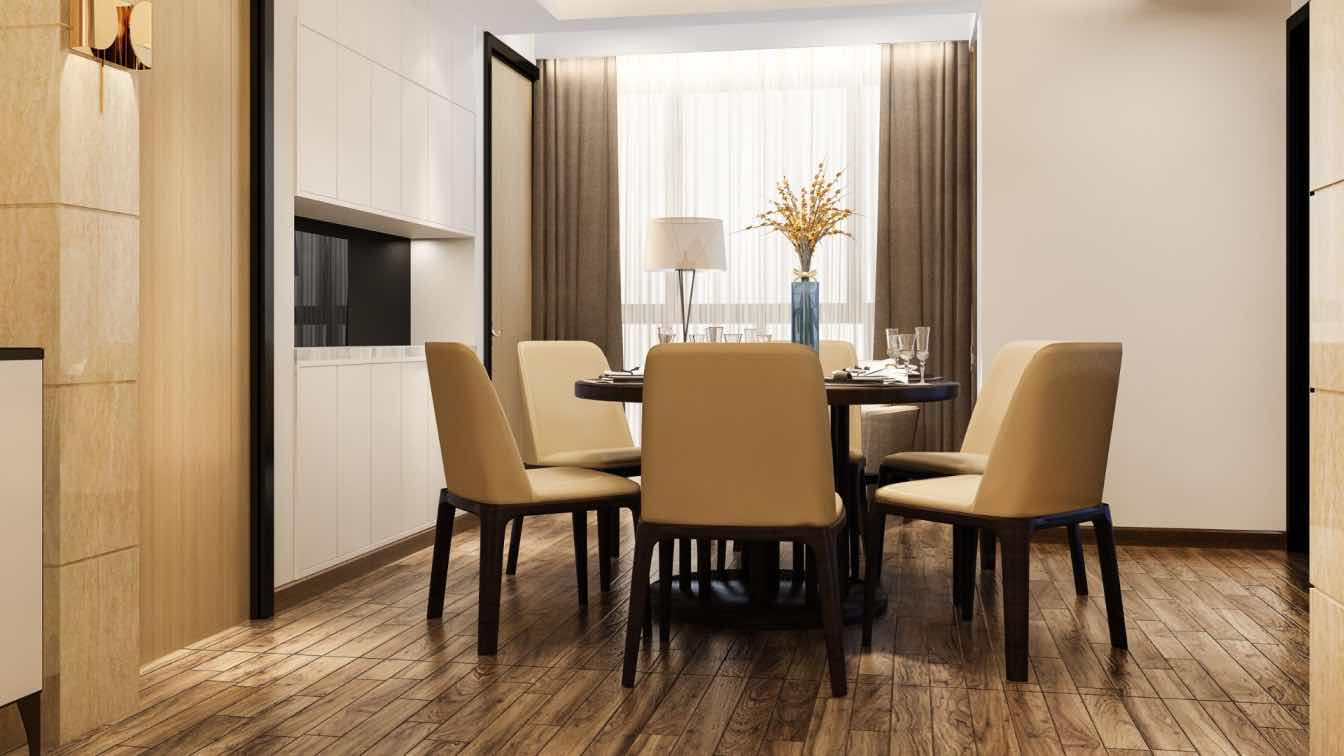
Achieving a perfectly balanced and aesthetically pleasing modern dining space often hinges on the successful pairing of tables and chairs. While many opt to purchase these key pieces separately, hoping they will naturally harmonize, the result can sometimes be discordant. Issues like knees hitting table aprons, chairs appearing disproportionately small against a substantial table base, or clashing materials can detract from the intended design.
The key to a successful pairing lies in understanding three fundamental principles: proportion, material, and a shared design element. These considerations are paramount, especially when selecting a cohesive line of modern dining furniture where the table base, top, and chairs are intended to work together from the outset.
Dining Height Dynamics
Before delving into aesthetics like color or texture, establishing the correct measurements is crucial. Standard dining tables typically stand between 28 to 30 inches (71 to 76 cm) in height, with the tabletop surface usually set at 30 inches. Dining chair seat heights, conversely, range from 17 to 19 inches (43 to 48 cm). The most critical measurement is the vertical clearance between the chair’s seat and the underside of the dining table, which should comfortably fall between 10 to 12 inches (25 to 30 cm).
This clearance directly impacts usability. Insufficient space will lead to discomfort, with knees jamming under the table. Conversely, too much space can make the chairs appear dwarfed by the table. Beyond vertical clearance, consider the horizontal space each diner requires. Allocating approximately 24 inches (61 cm) per person is standard, with 28 to 30 inches recommended for wider chairs. Adequate walkway space behind seated diners is also vital; while the NKBA suggests a minimum of 32 inches (81 cm) from the table edge to a wall where no one will pass, 36 inches (91 cm) often provides a more practical and comfortable flow for sliding chairs in and out. It is also important to maintain a consistent height class for the set; standard-height tables should not be paired with counter- or bar-height stools.
Material Harmony and Visual Weight
The visual impact of a tabletop’s material significantly influences the choice of chairs. Materials like Keramik, a durable ceramic surface known for its resistance to scratches, heat, and stains, offer a solid, stone-like aesthetic that pairs well with sculptural or upholstered chairs. Natural stones such as marble and travertine, while beautiful, are porous and require regular sealing and prompt cleaning of spills. Their cool, formal appearance can be balanced by denser upholstery or wooden chairs to introduce warmth.
Glass tabletops, whether tempered or standard, create a sense of openness and light, making smaller rooms feel more expansive. Under a transparent glass top, chairs with open frames, cantilever designs, or molded shells complement the airy aesthetic. Wood offers a warm, natural appeal. It’s important to distinguish between solid wood and veneer; while both are legitimate materials, they should be accurately represented. A wood tabletop can be effectively paired with chairs in a similar tone, such as walnut with oak or ash, or contrasted with black metal elements.
Key Facts
| Element | Consideration | Impact |
|---|---|---|
| Proportion | Table height, seat height, clearance, spacing | Comfort, usability, visual balance |
| Material | Tabletop surface (Keramik, marble, glass, wood) | Durability, upkeep, visual weight, aesthetic compatibility |
| Shared Element | Color, material, shape | Cohesion, unified look, aesthetic bridge |
| Visual Weight | Mass of table base and top vs. chair design | Stability, balance, overall room harmony |
Aesthetic Unification
Beyond measurements and materials, every successful dining set pairing requires at least one shared aesthetic element. This could be a repeating color, a consistent material, or a common shape. Even when embracing contrast, maintaining this unifying element ensures that disparate pieces read as a cohesive set.
Visual weight is another critical factor. A substantial wooden table with thick legs demands chairs of similar mass, such as wide, upholstered options, to maintain balance. Conversely, a minimalist table crafted from steel or marble is best complemented by lighter, more open-framed chairs. Shape also plays a role. Round or oval tables often suit armless chairs that can be easily maneuvered, with rounded backs echoing the table’s curves. Rectangular tables offer more versatility, accommodating armless chairs along the sides and armchairs at the heads, or even a bench on one side for space efficiency.
Material matching doesn’t always imply an exact replica. A walnut table might pair beautifully with oak or ash chairs if their undertones align. Similarly, a brass or matte-black table base can gain depth when juxtaposed with tan leather or textured weave upholstery. Contrasting materials often create a more dynamic and lively look than a perfect match, such as pale stone with dark leather, or cool steel with warm wood.
Designers and manufacturers often present coherent collections that exemplify these principles. For instance, brands like Bontempi Casa offer dining lines with interchangeable tops and bases, ensuring design coherence across different material choices. Porada’s Amphora table, available in wood or marble with a solid walnut base, explicitly allows for matching or contrasting finishes, with ergonomics carefully considered. Italian manufacturers like Cattelan Italia and Bonaldo are known for producing dining sets where the dimensions are precisely aligned to ensure the ideal 10-inch clearance between table and chair seat.
The process of building the ideal pairing can be structured: first, verify heights and the crucial 10-12 inch clearance. Second, account for space requirements per person and for circulation. Third, assess the tabletop’s visual weight and match it with chairs of similar density. Fourth, identify and incorporate one connecting element—be it color, metal, or shape. Finally, decide whether to embrace matching aesthetics or intentional contrast, and adhere to that choice. Given that designer dining furniture can represent a significant investment, careful planning and consultation, potentially with design services that offer mood boards and floor plans, can ensure the final selection is both aesthetically harmonious and functionally sound.
Source: Amazing Architecture, https://amazingarchitecture.com/articles/how-to-pair-a-modern-dining-table-and-chairs-that-actually-match
Source
Amazing Architecture Original publication: 2026-07-15T20:06:56+00:00
Related news
HONG Designworks Completes Private Office in Xi’an That Balances Memory, Materiality, and Long-Term Use
The Xi’an office by HONG Designworks integrates a folded steel staircase, retained furniture from a previous workspace, and a restrained purple-gray palette…
Read more
Handwoven Teak and Cord Outdoor Seating Debuts from Masaya and Abril Zepeda
Nicaraguan furniture brand Masaya has introduced two new handcrafted outdoor chairs — a rocking chair and a lounge chair — designed by…
Read more
Place in Mind: Hendricks Churchill Launches Hospitality Group to Revive Historic Properties
The architecture and interior design studio Hendricks Churchill has launched Place in Mind, a new hospitality group focused on acquiring, restoring, and…
Read more
Adalberto Dias Architects Complete Restoration of Lisbon’s Patriarchal Cathedral and Archaeological Center
The restoration of the Sé de Lisboa by Adalberto Dias Arquitecto integrates a new archaeological center, preserved cloisters, and seven centuries of…
Read moreRelated wiki

Adaptive Reuse in Architecture
Reference page for reuse, retrofit, conversion, embodied carbon and design constraints.
Read more