
Umbral Floral Pavilion Transforms CASACOR Peru Entrance into an Architectural Experience
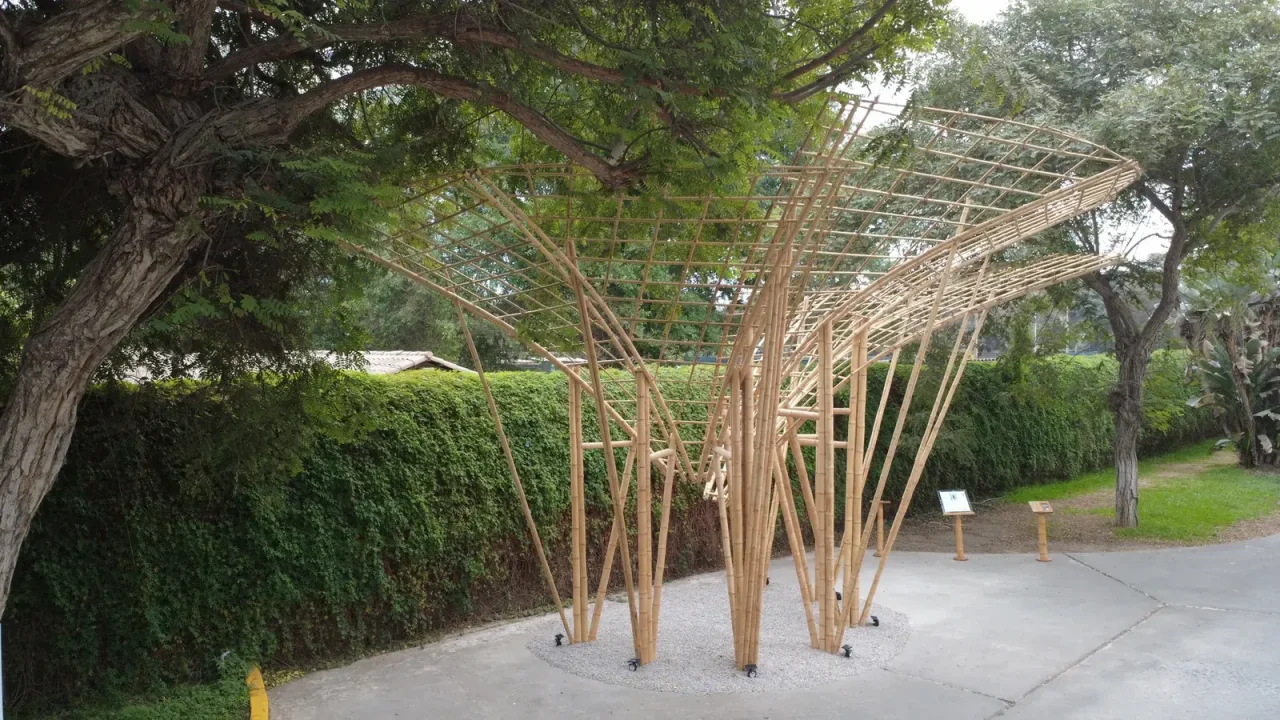
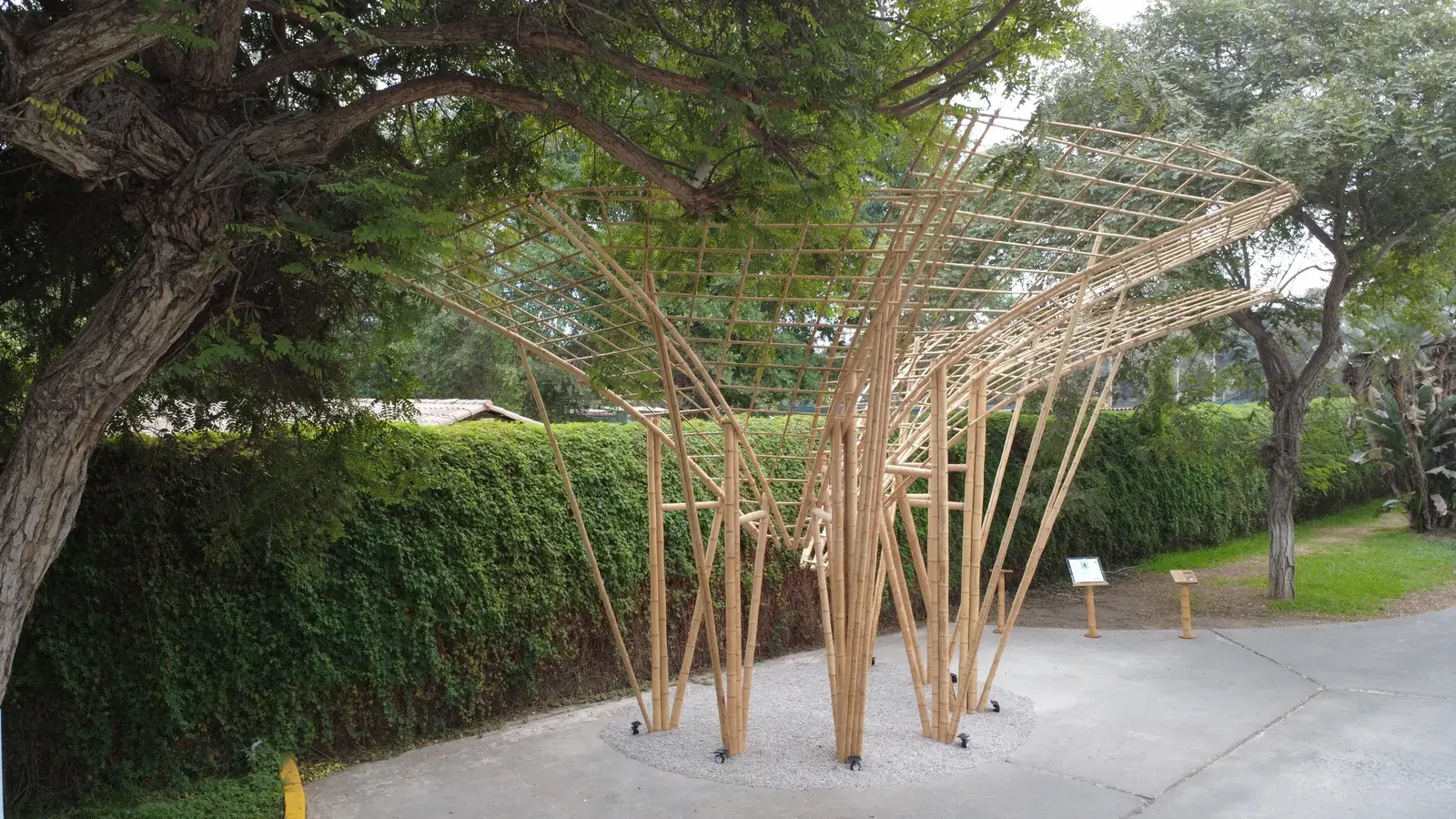
Architects Cerron Arquitectos have designed the Umbral Floral Pavilion to reimagine the main access path to CASACOR Peru 2026, turning a simple circulation route into a sequence of immersive public spaces that bridge the city, nature, and the exhibition.
A New Gateway to Experience
The Umbral Floral Pavilion, designed by Cerron Arquitectos, is set to redefine the entrance to CASACOR Peru 2026, a prominent design exhibition held at the Jockey Club del Perú. Moving beyond a mere functional passageway, the pavilion is conceived as an architectural experience, meticulously transforming the primary access route into a series of engaging public spaces. This intervention aims to create a profound transition between the urban environment, the natural world, and the immersive exhibition that awaits visitors.
Architectural Intervention and Spatial Sequence
At its core, the project’s objective is to regenerate the main access path. Cerron Arquitectos has approached this by conceptualizing the pathway not just as a way to get from point A to point B, but as an integral part of the overall exhibition narrative. The Umbral Floral Pavilion encourages visitors to slow down and engage with their surroundings, transforming the act of entering the exhibition into a deliberate and sensory journey. This approach elevates the entrance from a utilitarian necessity to a curated architectural moment.
Integration with Nature and Urban Context
The pavilion’s design emphasizes a harmonious coexistence between built form and nature. By incorporating floral elements and likely drawing inspiration from the surrounding landscape, the structure aims to create a dialogue between the built environment and the natural world. This integration is crucial in establishing the pavilion as a transitional zone, a liminal space that prepares visitors for the diverse experiences within CASACOR Peru. The design seeks to foster a connection with nature, even within an urban setting like the Jockey Club del Perú.
The Role of CASACOR Peru
CASACOR is a renowned exhibition that showcases the work of interior designers, architects, and landscape architects, offering a platform for innovation and design exploration. For CASACOR Peru 2026, the Umbral Floral Pavilion serves as a critical first impression, setting the tone for the creativity and quality of design that visitors can expect throughout the event. The pavilion’s success will be measured not only by its aesthetic appeal but also by its ability to enhance the visitor’s overall experience from the moment they arrive.
Cerron Arquitectos’ Vision
Cerron Arquitectos, the firm behind this innovative design, is known for its contributions to the architectural landscape. Their work often explores the relationship between space, material, and human experience. With the Umbral Floral Pavilion, they continue this exploration by focusing on the transformative power of architecture to shape perception and create memorable environments. The project highlights their commitment to designing spaces that are both functional and evocative, serving as a testament to their design philosophy.
Key Facts
| Feature | Detail |
|---|---|
| Project Name | Umbral Floral Pavilion |
| Architect | Cerron Arquitectos |
| Event | CASACOR Peru 2026 |
| Location | Jockey Club del Perú |
| Design Objective | To transform the main access path into an architectural experience and public space |
This development is significant for Paionia7 readers as it showcases a thoughtful approach to architectural design that prioritizes the visitor experience and the integration of natural elements within an urban exhibition context. The Umbral Floral Pavilion serves as an example of how entryways can be elevated from mere circulation routes to meaningful architectural interventions that set the stage for the experiences that follow.
Source: ArchDaily, “Umbral Floral Pavilion / Cerron Arquitectos”, https://www.archdaily.com/1148873/umbral-floral-pavilion-cerron-arquitectos
Source
ArchDaily Original publication: 2026-07-18T16:00:00+00:00
Related news
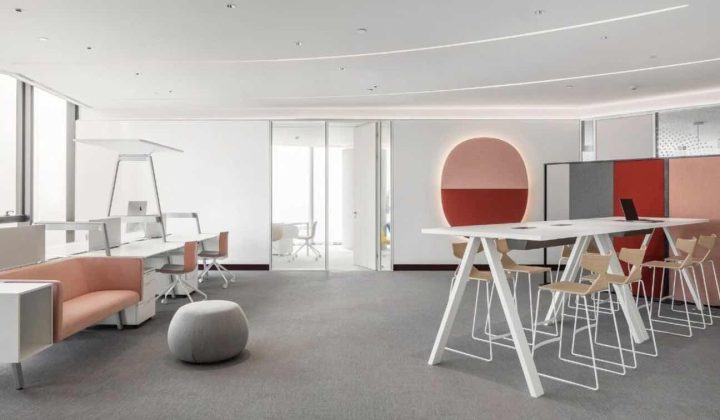
HONG Designworks Completes Private Office in Xi’an That Balances Memory, Materiality, and Long-Term Use
The Xi’an office by HONG Designworks integrates a folded steel staircase, retained furniture from a previous workspace, and a restrained purple-gray palette…
Read more
Handwoven Teak and Cord Outdoor Seating Debuts from Masaya and Abril Zepeda
Nicaraguan furniture brand Masaya has introduced two new handcrafted outdoor chairs — a rocking chair and a lounge chair — designed by…
Read more
Place in Mind: Hendricks Churchill Launches Hospitality Group to Revive Historic Properties
The architecture and interior design studio Hendricks Churchill has launched Place in Mind, a new hospitality group focused on acquiring, restoring, and…
Read more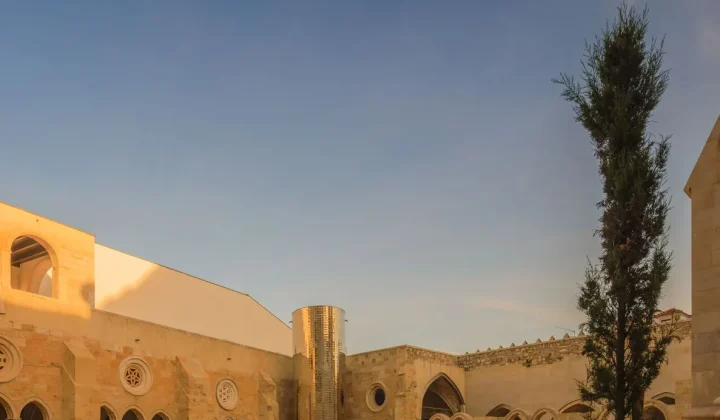
Adalberto Dias Architects Complete Restoration of Lisbon’s Patriarchal Cathedral and Archaeological Center
The restoration of the Sé de Lisboa by Adalberto Dias Arquitecto integrates a new archaeological center, preserved cloisters, and seven centuries of…
Read moreRelated wiki

Adaptive Reuse in Architecture
Reference page for reuse, retrofit, conversion, embodied carbon and design constraints.
Read more