
Historic Grand Hôtel de Monte-Carlo Perfumery Revived as Moëhr Fragrance House
Brothers Vincent and Nicolas Poylo relaunch La Parfumerie de Monte-Carlo, inspired by its Belle Époque origins and the legacy of César Ritz.
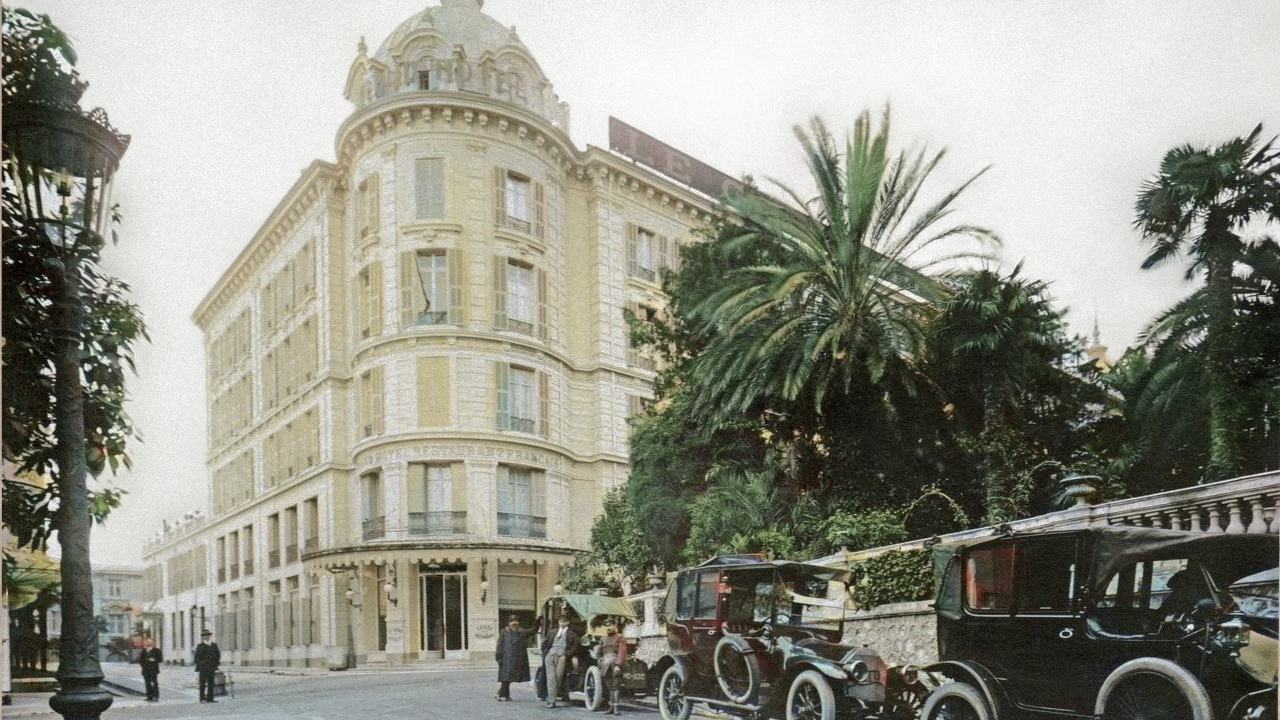
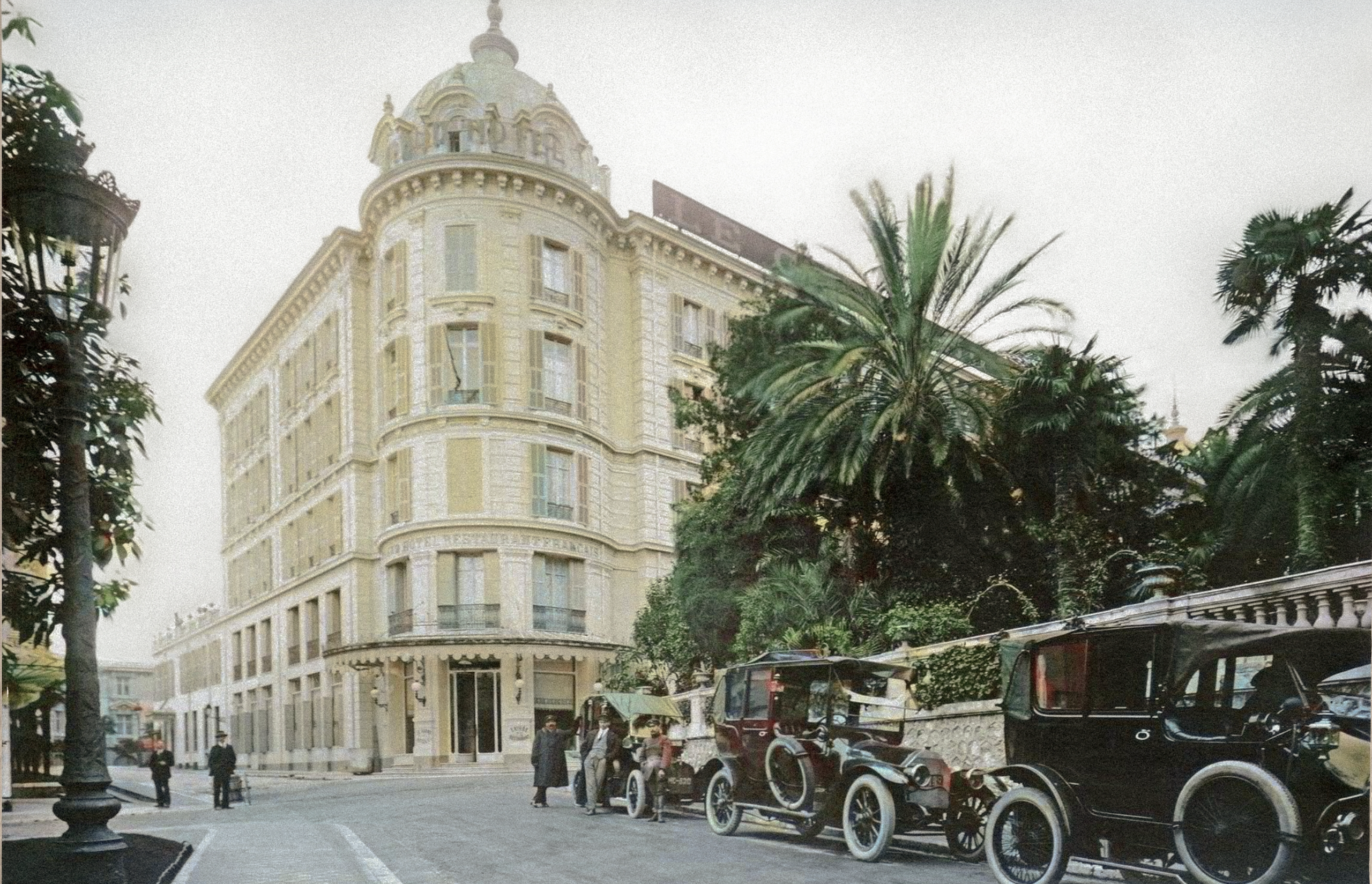
The spirit of Belle Époque luxury and bespoke hospitality, once embodied by the Grand Hôtel de Monte-Carlo, is being rekindled through the relaunch of its historic perfumery. Brothers Vincent and Nicolas Poylo have resurrected La Parfumerie de Monte-Carlo under the new name Moëhr, introducing six distinct fragrances that pay homage to the hotel’s opulent past and the pioneering vision of its founder, César Ritz.
When César Ritz opened the Grand Hôtel de Monte-Carlo in 1881, he envisioned a self-contained ecosystem of luxury, integrating services such as a tailor, florist, shoemaker, chef, and crucially, a perfumer. This perfumer, Nestor Moëhr, was instrumental in crafting exclusive scents for the elite clientele of the Riviera establishment. Though Ritz eventually departed for Paris, Moëhr remained, evolving his craft into his own house, La Parfumerie de Monte-Carlo. The perfumery’s active presence waned with the eventual closure of the Grand Hôtel, but now, over a century later, the legacy has been revived.
Why it matters
The genesis of the Moëhr revival can be traced back to 2023. Nicolas Poylo, while working on the opening of the former Hotel Drei Berge in the Swiss Alps, delved into the history of César Ritz. This research led him to discover the story of Moëhr and his olfactory contributions to the Grand Hôtel. The brothers, who grew up immersed in the hospitality industry through their mother’s hotel, felt a natural connection to the idea of breathing new life into a dormant heritage.
Vincent Poylo’s experience working alongside Chef Mauro Colagreco and residing in the Grand Hôtel du Cap Martin, a historic hotel converted into residences, provided a fitting backdrop for conceptualizing Moëhr. This environment allowed for an exploration of fragrance as a means to evoke a bygone era, bridging the golden age of hospitality with their own formative memories.
Context
The development of Moëhr involved meticulous research into period artifacts. The brothers spent years studying travel cases, perfume flacons, medicine boxes, and silverware from the turn of the 20th century. Key inspirations included the work of Martin-Guillaume Biennais, Napoleon’s goldsmith, a collection of antique French copper savarin molds used by Chef Auguste Escoffier at the Grand Hôtel, and tableware from other prominent Grand Hôtels of the era.
The resulting perfume bottles are elegant glass flutes, manufactured at a family-owned facility in Veneto, Italy. They are crowned with twisted caps cast in zinc, a material reminiscent of the Grand Hôtel’s original bar counter. The labels feature calligraphy by Mexican painter Esteban Fuentes de Maria, adding a bespoke and artistic touch.
The Moëhr fragrance collection comprises six scents, each named after an imaginary guest, offering a diverse olfactory journey. The range includes Septime, described as the lightest, with notes of lily, benzoin, and white pepper; Swann, a delicate blend of orange blossom and almond paste; Sinclair, combining lavender, incense, and olive; Jadis, featuring rose, iris butter, and pink pepper; Otis, a spicy composition of saffron and cardamom; and Benedict, the richest scent with notes of cocoa, incense, and tobacco.
These fragrances are produced in partnership with Mane, a perfumery house established in 1871. Moëhr employs a unique CO2 extraction, solvent-free process. This method isolates fragrance compounds at low temperatures, preserving their integrity without thermal alteration or residue, resulting in clean, long-lasting scents suited for modern wear.
The Moëhr collection signifies more than just a new line of luxury perfumes; it represents a thoughtful revival of a specific historical moment and a celebration of the art of perfumery as an integral component of refined hospitality. For designers and consumers, it offers a tangible connection to the past, an appreciation for craftsmanship, and the enduring allure of scents that tell a story. The brand’s launch also highlights the growing interest in heritage-based luxury goods that blend historical authenticity with contemporary appeal.
Moëhr perfumes are set to be available starting June 1st, initially exclusively at Antonia via Sant’Andrea in Milan, with a broader rollout to other European retailers planned throughout the summer.
Key facts
- Brand Name: Moëhr
- Inspiration: La Parfumerie de Monte-Carlo, Grand Hôtel de Monte-Carlo (1881)
- Founders: Vincent and Nicolas Poylo
- Fragrance Production: Mane, using CO2 extraction, solvent-free process
- Initial Availability: From June 1st, exclusively at Antonia, Milan
The revival of Moëhr speaks to a broader trend in design and luxury where historical narratives are being reinterpreted for contemporary audiences. The meticulous attention to detail in the bottle design, drawing from the archives of the Grand Hôtel and the work of renowned artisans, underscores a commitment to authenticity and quality. This approach offers a valuable case study in heritage branding, demonstrating how to connect with consumers through shared cultural memory and sophisticated craftsmanship. For architects and interior designers, the story of Moëhr offers insights into the role of integrated services in creating immersive luxury experiences, a concept that continues to influence contemporary hospitality design.
Source: Wallpaper, https://www.wallpaper.com/fashion-beauty/moehr-perfume
Source
Wallpaper Original publication: 2026-05-23T06:00:00+00:00
Related news

Handwoven Teak and Cord Outdoor Seating Debuts from Masaya and Abril Zepeda
Nicaraguan furniture brand Masaya has introduced two new handcrafted outdoor chairs — a rocking chair and a lounge chair — designed by…
Read more
Place in Mind: Hendricks Churchill Launches Hospitality Group to Revive Historic Properties
The architecture and interior design studio Hendricks Churchill has launched Place in Mind, a new hospitality group focused on acquiring, restoring, and…
Read more
Adalberto Dias Architects Complete Restoration of Lisbon’s Patriarchal Cathedral and Archaeological Center
The restoration of the Sé de Lisboa by Adalberto Dias Arquitecto integrates a new archaeological center, preserved cloisters, and seven centuries of…
Read more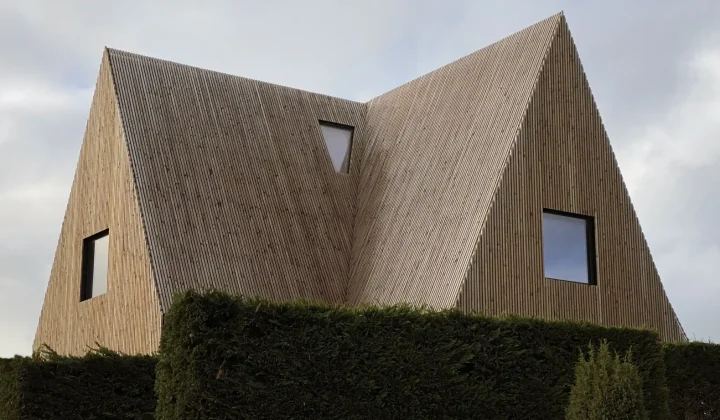
Vantieghem Talebi’s ‘House of Cards’ Brings Timber Geometry to Belgian Family Home
A new family house in Belgium by US- and Swiss-based practice Vantieghem Talebi uses a steeply pitched, card-house-inspired form clad in Douglas-fir…
Read moreRelated wiki

Adaptive Reuse in Architecture
Reference page for reuse, retrofit, conversion, embodied carbon and design constraints.
Read more