
Sudhagar’s Mud House by Aagaram Architects Reinterprets Vernacular Techniques in Hosur
A residence in Hosur by Aagaram Architects showcases a contemporary approach to traditional earth construction, integrating material, structure, and climate responsiveness.
Sudhagar’s Mud House by Aagaram Architects Reinterprets Vernacular Techniques in Hosur
SLUG: sudhagar-mud-house-aagaram-architects
EXCERPT: A residence in Hosur by Aagaram Architects showcases a contemporary approach to traditional earth construction, integrating material, structure, and climate responsiveness.
CATEGORY: projects
TAGS: residential architecture, housing, sustainable design, earth construction, vernacular architecture, India, Hosur
SEO_TITLE: Sudhagar’s Mud House: Aagaram Architects’ Contemporary Earth Home in Hosur
SEO_DESCRIPTION: Explore Sudhagar’s Mud House in Hosur, India, by Aagaram Architects. This project revives traditional mud construction techniques with a modern architectural sensibility, emphasizing climate-responsive design.
MEDIA_QUERY: Sudhagar’s Mud House, residential building, Aagaram Architects, Hosur, India, earth construction
IMAGE_ALT: Exterior view of Sudhagar’s Mud House, showcasing its earth walls and contemporary form.
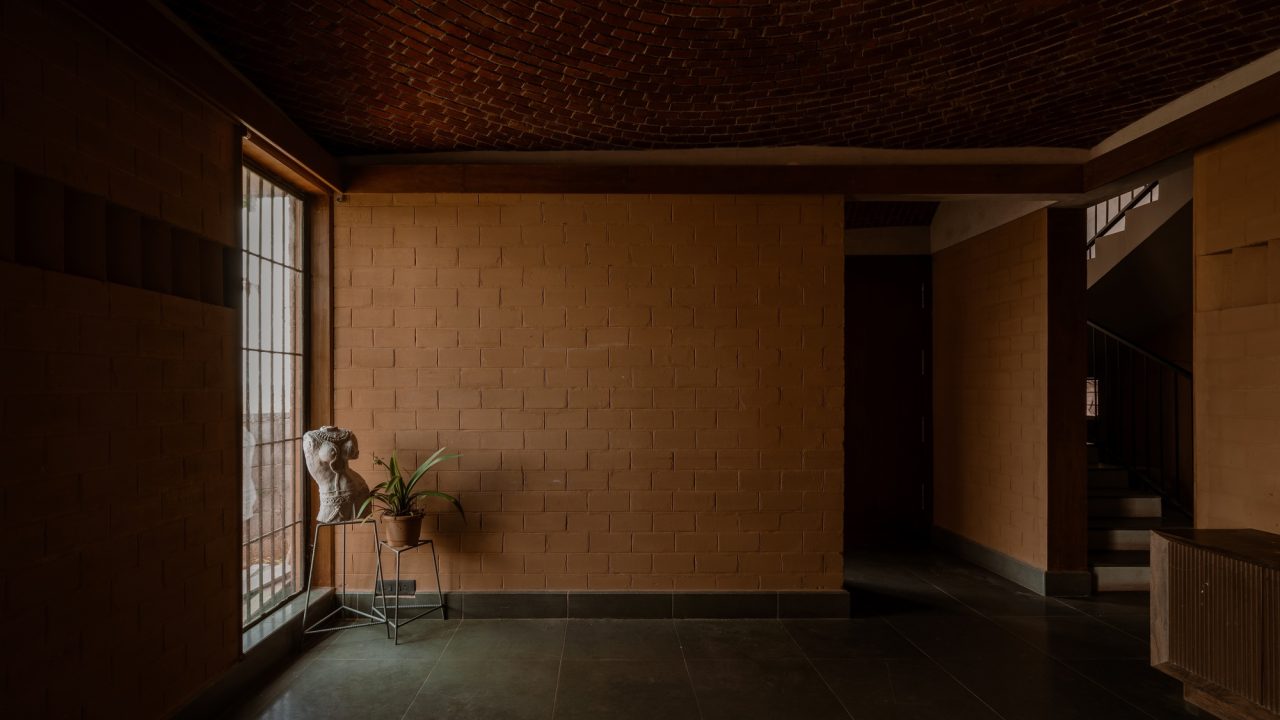
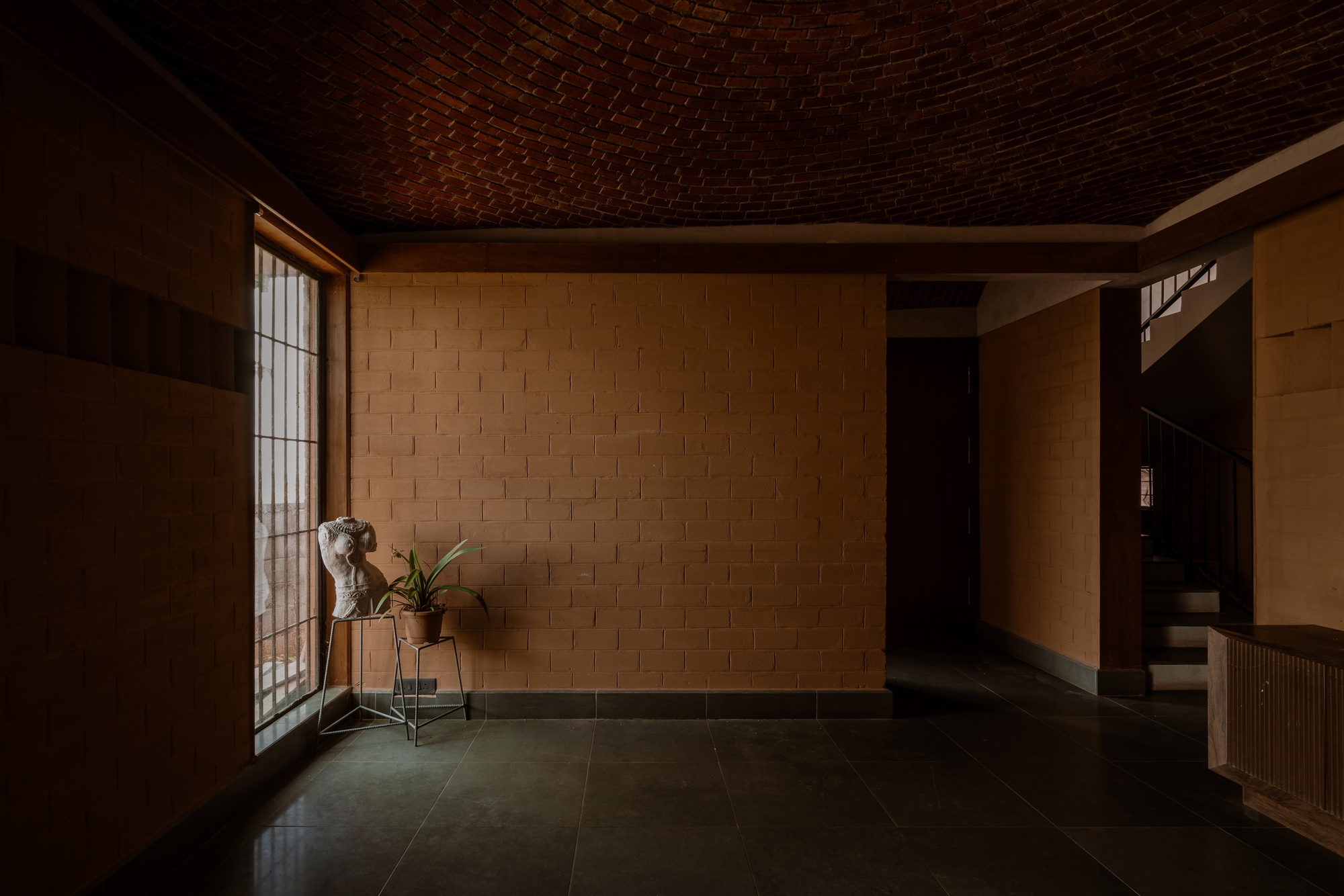
A new residential project in Hosur, India, by Aagaram Architects, named Sudhagar’s Mud House, is drawing attention for its thoughtful reinterpretation of traditional construction methods through a contemporary architectural lens. The residence is built using earth, a material intrinsically linked to its environment and climate, aiming to create a harmonious dwelling where the essence of the material, its structural integrity, and the spatial experience are seamlessly interwoven. This project signifies a deliberate move towards integrating time-tested vernacular building practices with modern design sensibilities, offering a case study in climate-responsive and contextually relevant architecture.
The architects emphasize that the design is fundamentally shaped by the local climate, with earth construction serving as the primary medium. This approach not only connects the house to its geographical and environmental context but also taps into the inherent thermal properties of earth as a building material. The concept of inseparability between material, structure, and space suggests a holistic design philosophy where each element informs and enhances the others, resulting in an architecture that is both functional and deeply rooted in its origins.
Project Context and Design Philosophy
Aagaram Architects has focused on developing a design that respects and revives traditional construction techniques. In an era increasingly dominated by standardized building materials and methods, Sudhagar’s Mud House stands out as an example of how vernacular knowledge can be adapted to contemporary needs. The choice of earth as the primary building material is central to this philosophy. Earth construction, when executed with an understanding of local climate and material science, offers significant advantages in terms of thermal comfort, reduced environmental impact, and aesthetic integration with the landscape.
The residence is situated in Hosur, a region in India where such traditional building methods have a historical presence. By employing earth construction, the architects are not merely referencing the past but are actively engaging with the material’s potential for sustainable and context-specific architecture. This approach challenges conventional notions of modern housing by prioritizing natural materials and passive environmental strategies. The project’s success lies in its ability to create a dwelling that is not only a shelter but also a responsive environment, adapting to the local climatic conditions and offering a comfortable living experience.
Materiality and Structure
The core of Sudhagar’s Mud House lies in its material choices and structural ingenuity. Earth, in its various forms – be it rammed earth, adobe, or compressed earth blocks – offers excellent thermal mass, helping to regulate indoor temperatures by absorbing heat during the day and releasing it slowly at night. This passive temperature regulation can significantly reduce the need for active cooling systems, contributing to the building’s overall sustainability. Aagaram Architects’ approach suggests a deep understanding of how to harness these properties, integrating them into a structural system that is both robust and aesthetically pleasing.
The phrase “material, structure, and space are inseparable” implies a unified design process. This suggests that the form of the house is a direct consequence of the structural capabilities of earth, and the spatial organization is dictated by the material’s properties and the climatic considerations. This integrated approach ensures that the building functions as a cohesive whole, where the tactile and visual qualities of the earth walls are as important as their load-bearing capacity and thermal performance. The resulting architecture is likely to possess a raw, earthy aesthetic that speaks to its construction and context.
Sustainability and Climate Responsiveness
The inherent sustainability of earth construction is a key feature of Sudhagar’s Mud House. Beyond the reduced embodied energy compared to conventional materials like concrete and steel, earth offers excellent thermal performance. This is crucial in a region like Hosur, where temperature fluctuations can be significant. By building with earth and shaping the design in response to the climate, the architects are employing passive design strategies that minimize reliance on energy-intensive mechanical systems.
This focus on climate responsiveness extends to other aspects of the design, such as the orientation of the building, the size and placement of openings, and the incorporation of shading elements, although these details are not explicitly elaborated in the provided summary. However, the emphasis on earth shaped by climate strongly suggests that these elements have been carefully considered. The project serves as an important reminder that traditional materials, when combined with contemporary architectural intelligence, can offer effective solutions to the challenges of sustainable building in diverse climatic zones.
Implications for Architecture and Design
Sudhagar’s Mud House offers valuable insights for architects, designers, and developers interested in exploring sustainable and contextually appropriate building solutions. The project demonstrates that vernacular techniques are not relics of the past but can be vital components of contemporary architectural practice. By prioritizing local materials and traditional knowledge, Aagaram Architects is contributing to a more resource-efficient and culturally sensitive built environment.
For readers interested in housing and sustainable design, this project highlights the potential of earth as a primary building material for modern homes. It encourages a re-evaluation of material palettes and construction methods, advocating for approaches that are in closer dialogue with natural systems. The project’s success could inspire further research and implementation of similar techniques, potentially influencing housing development trends in India and beyond, particularly in regions with similar climatic conditions and access to suitable earth resources. For urban planners and policymakers, projects like this can serve as examples of how to encourage sustainable building practices that respect local heritage and reduce environmental footprints.
Key facts
- Project Name: Sudhagar’s Mud House
- Architects: Aagaram Architects
- Location: Hosur, India
- Primary Material: Earth
- Design Approach: Contemporary reinterpretation of vernacular techniques
The project’s strength lies in its clear articulation of a design philosophy that values material honesty, climate responsiveness, and the revival of traditional building methods. It serves as a tangible example of how architects can engage with local resources and knowledge to create meaningful and sustainable living spaces. The integration of material, structure, and space, as described by the architects, points to a deeply considered design process that prioritizes the holistic experience of the built environment.
Source: ArchDaily, https://www.archdaily.com/1041777/sudhagars-mud-house-aagaram-architects
Source
ArchDaily Original publication: 2026-05-23T21:00:00+00:00
Related news
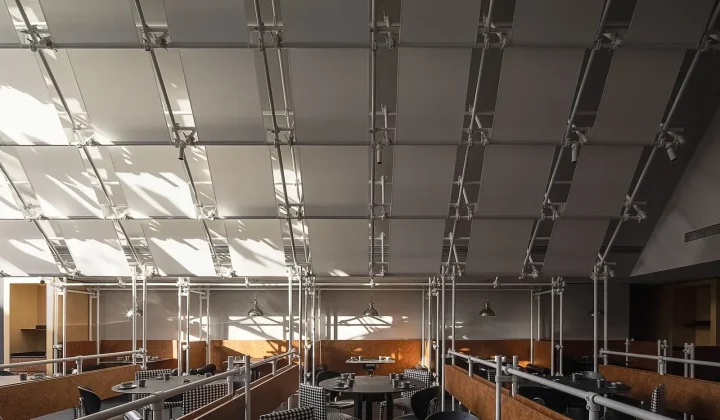
Scaffolding as Interior Architecture: Adaptable Systems Challenge the Divide Between Temporary and Permanent
A new article by Jonathan Yeung examines how modular scaffolding systems, from steel frames to Dieter Rams’ shelving, demonstrate that longevity in…
Read more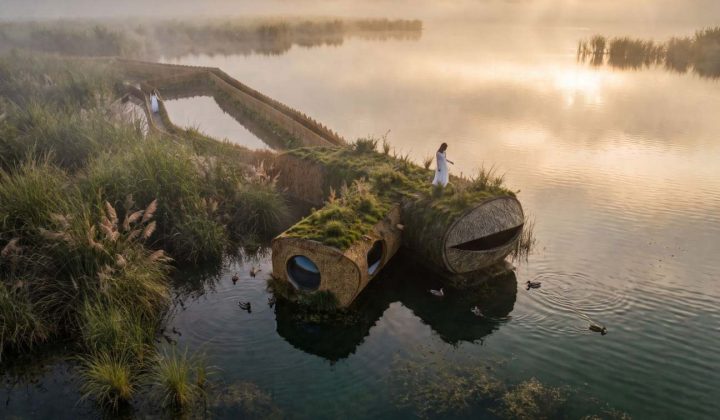
MIV Architects Proposes Wetland Pavilion That Prioritizes Non-Human Habitats Over Human Comfort
The Spanish firm’s “Nidos de Agua” concept for the Albufera natural park in Valencia aims to rebalance the relationship between building and…
Read more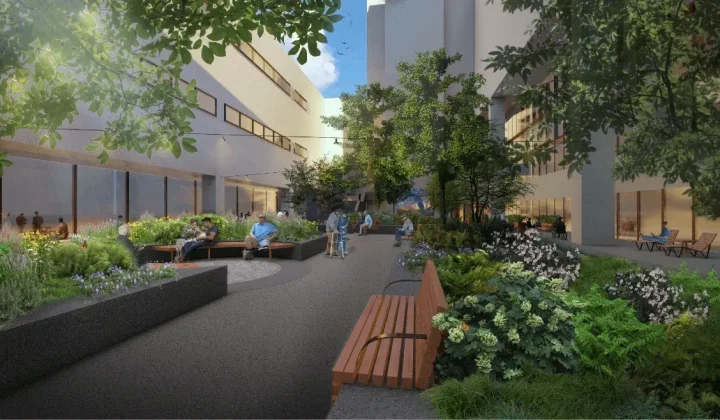
Nelson Byrd Woltz Begins Construction on Restorative Eagle Courtyard at Walter Reed Medical Center
Construction has started on a redesigned Eagle Courtyard at Walter Reed National Military Medical Center, led by Nelson Byrd Woltz Landscape Architects.…
Read more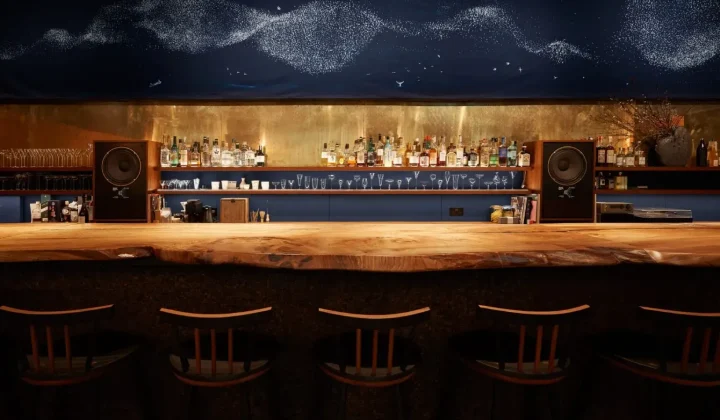
London’s listening bar boom reflects a deeper shift in hospitality design and music culture
A wave of Japanese-inspired listening bars is reshaping London’s nightlife, but owners and critics are asking whether the concept can survive commercial…
Read moreRelated wiki
Adaptive Reuse in Architecture
Reference page for reuse, retrofit, conversion, embodied carbon and design constraints.
Read more